Linden
A Classroom of Trees
Last year, a cherry tree was located on our school grounds! Students recently received a lesson on how the flowers of the cherry tree will soon turn to fruit.

Last year, a cherry tree was located on our school grounds! Students recently received a lesson on how the flowers of the cherry tree will soon turn to fruit.

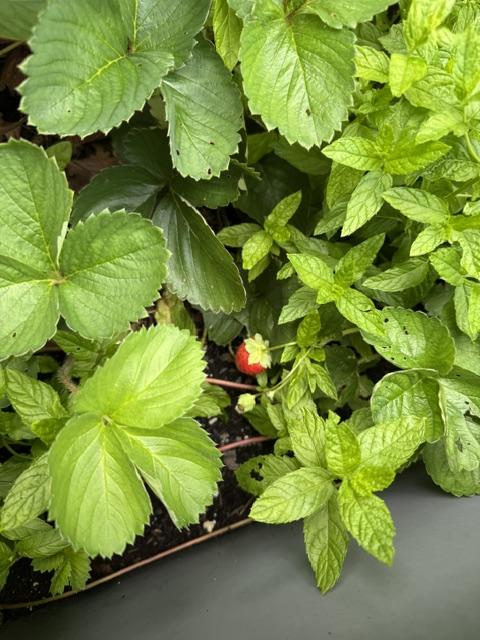
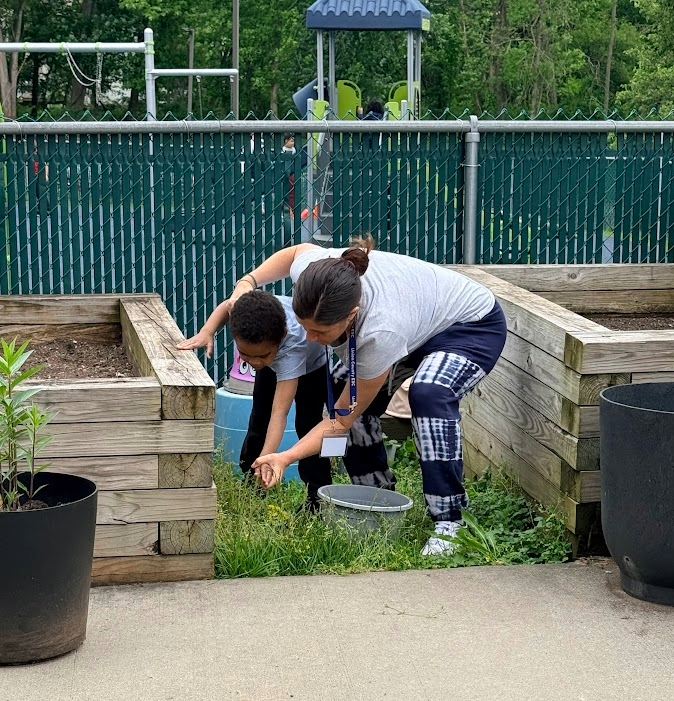
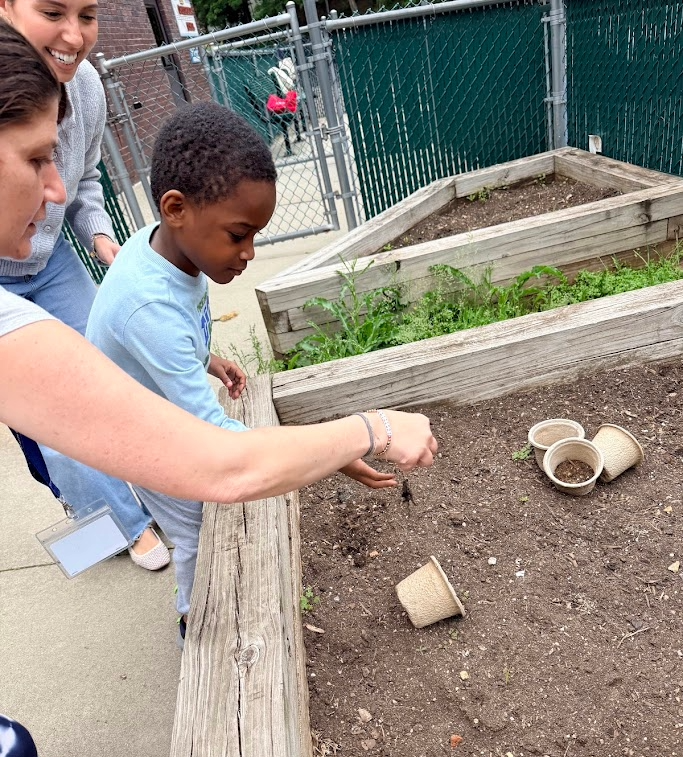
The School No. 4 Environmental Club was thrilled to see our strawberry field return after a cold winter! Students are monitoring how the flowers are turning into budding strawberries! We hope to be snacking on them soon! Thank you to the Union County Kids Dig In Grant and Groundwork Elizabeth for making this possible!

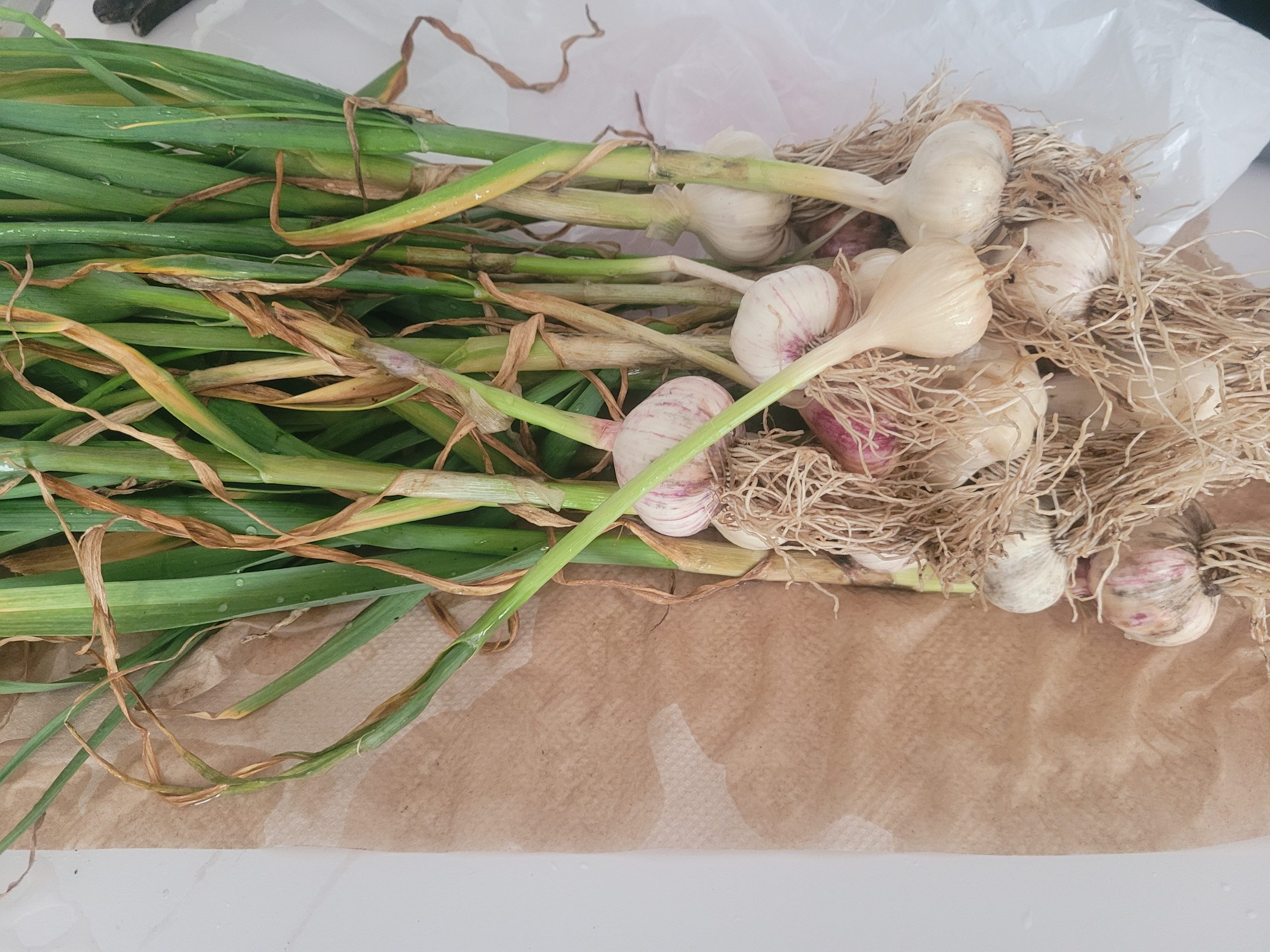
Back in October 2025, students learned how to plant multiple garlic plants from a single bulb, by splitting the bulb into individual cloves and planting them upright. All year, we have been monitoring their growth, and we are finally seeing that they are growing rapidly! Students will harvest this garlic before graduating in June. Thanks to the Union County Kids Dig In Grant, we have the materials needed to make this an annual activity!


Our students were thrilled to find that after a long, cold winter, our raspberry bushes are back and better than ever! We are hoping for fruit this year!

Winter Sowing & Pickling Cucumbers
We can’t wait until we can start our summer garden! In preparation, we started seeds in milk jugs and seeds snails and already see some seedlings emerging. While we wait for warmer weather to plant outdoors, we are happily growing herbs in our classroom hydroponics unit. We used our fresh dill to pickle cucumbers and enjoyed eating crispy, delicious pickles.


Growing with Purpose: Supporting Our Community One Herb at a Time
Our students have continued to work weekly during their science period to care for our indoor greenhouse. They have planted herbs, which we have proudly sold throughout the school, building both responsibility and real-world vocational skills.
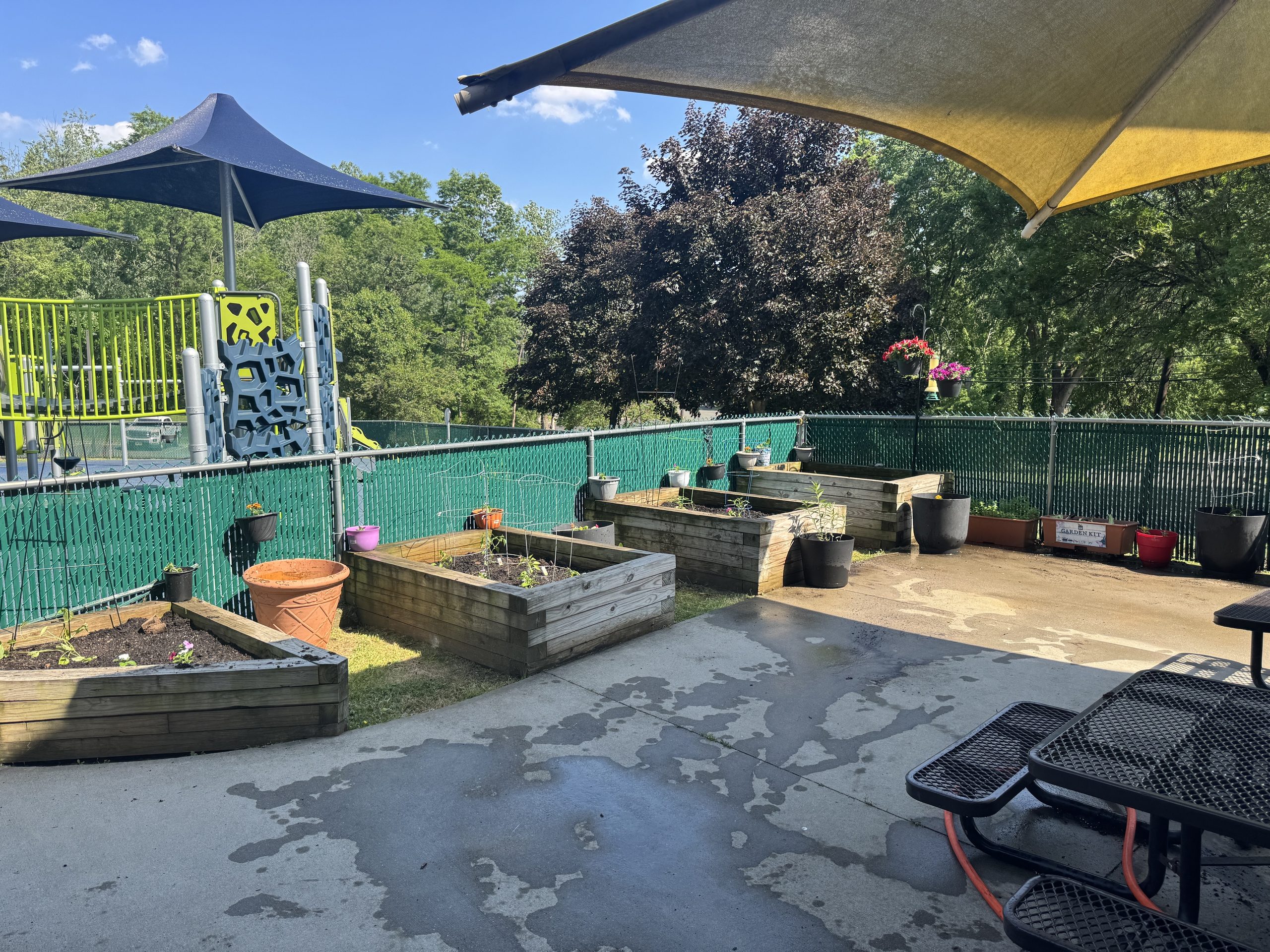
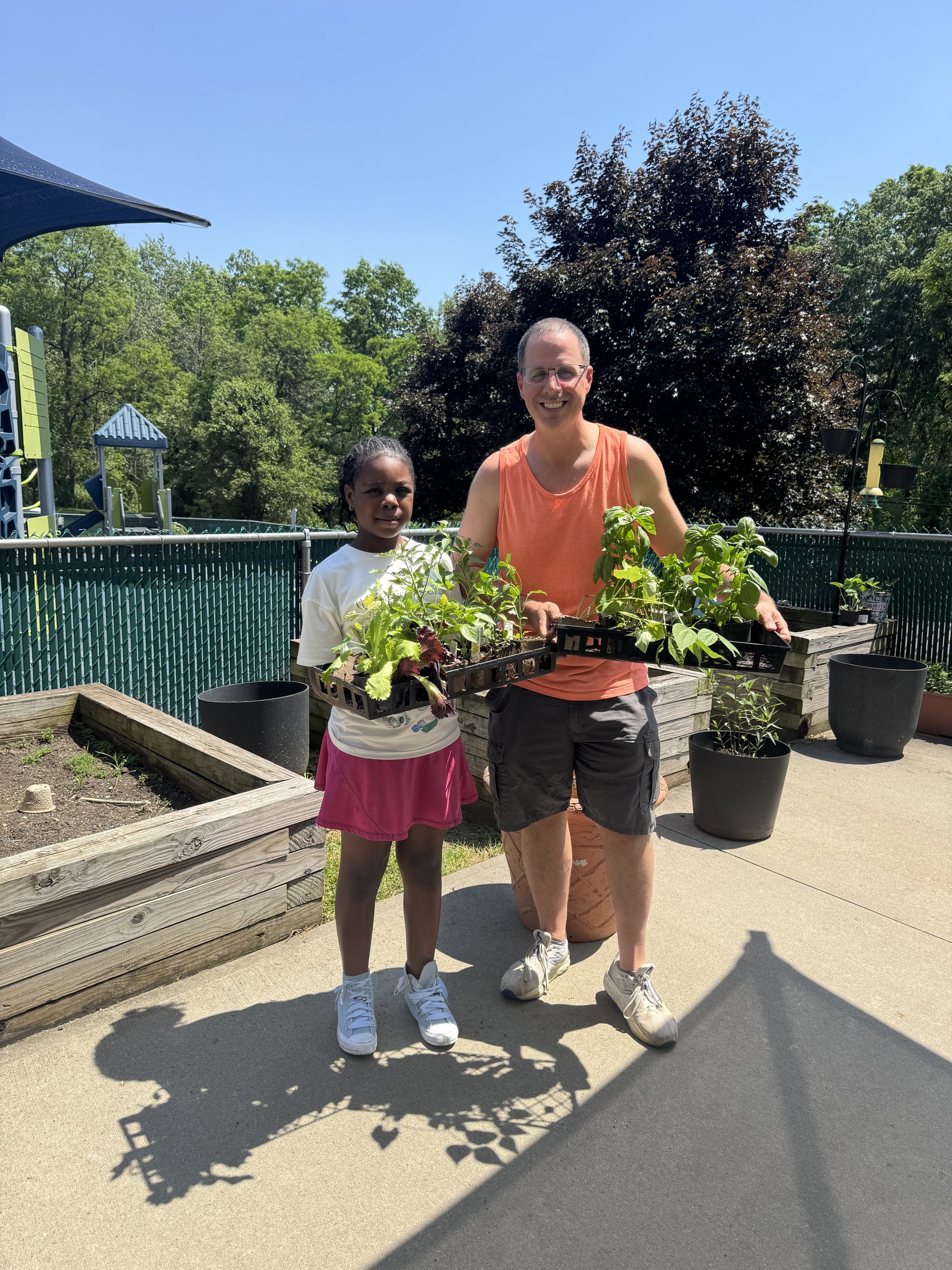
As our plants continue to grow, we are excited to share our harvest by delivering fresh herbs to the Cranford Food Pantry in June. Looking ahead, we are especially excited to expand our efforts into the community by transplanting our indoor plants into the school’s outdoor garden, where they will have the space and environment to truly thrive and reach their full growth potential.

The Last of Winter
The long winter has enveloped the landscape in a serene blanket of snow, transforming everything into a glistening wonderland. As the chill deepens, our garlic, planted at the season’s onset, has been quietly growing beneath the frosty surface. These hardy bulbs thrive in the cold, soaking up moisture from the melting snow, and by the end of winter, they will be ready to harvest. Garlic, with its robust flavor and health benefits, is the perfect companion for winter meals, adding warmth and richness to our dishes during this chilly season.


Strawberry Plants
The recent stretch of warm weather has done more than just melt the snow—it’s brought our playground back to life! As students rushed outside to enjoy the sun, they took a detour to check on our climate-resilient garden. To everyone’s surprise and delight, the strawberry plants weren’t just surviving; they were thriving. It was a wonderful “aha!” moment for our young gardeners to see nature’s local resilience in action.


Spring is so close!
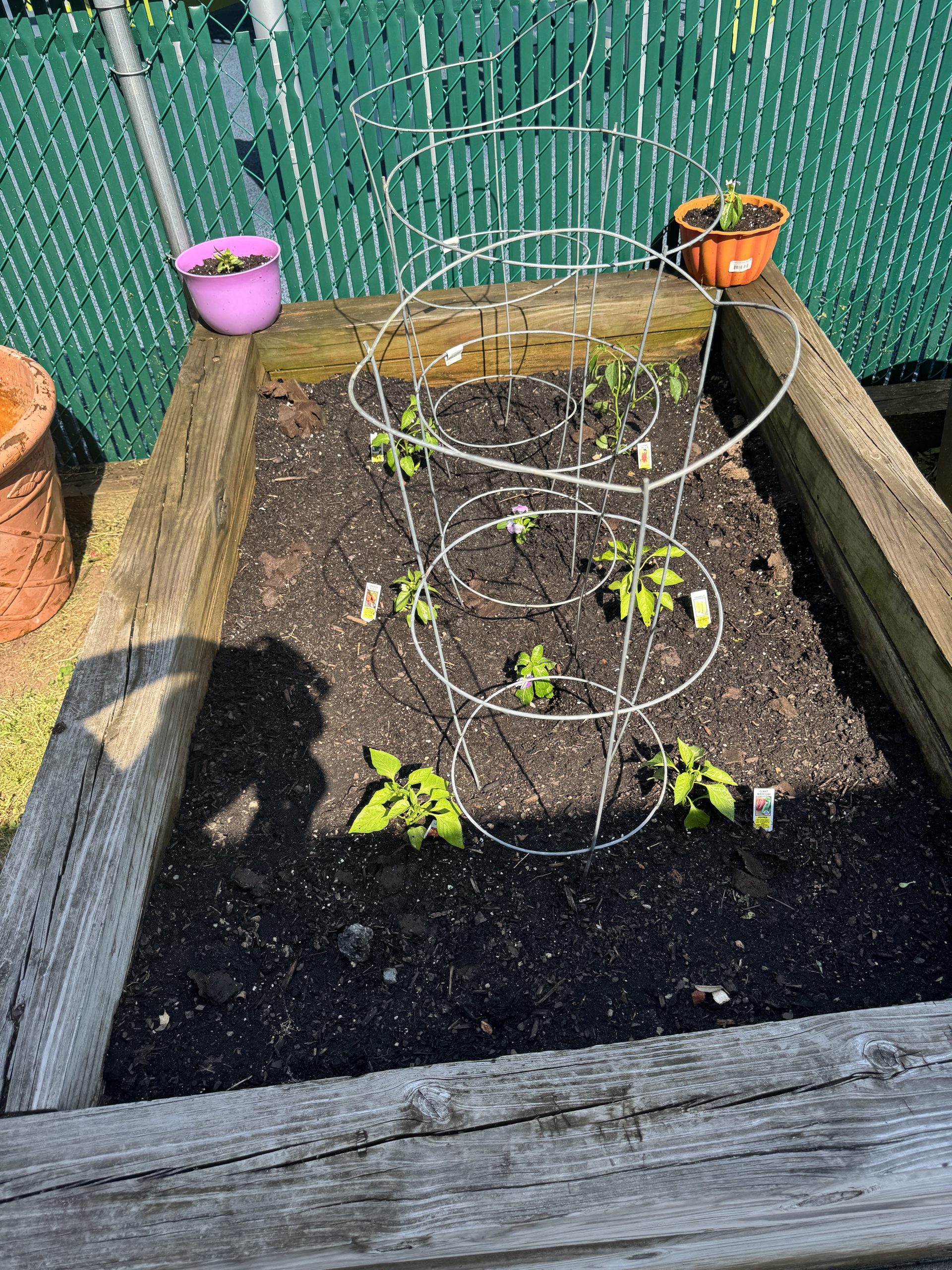
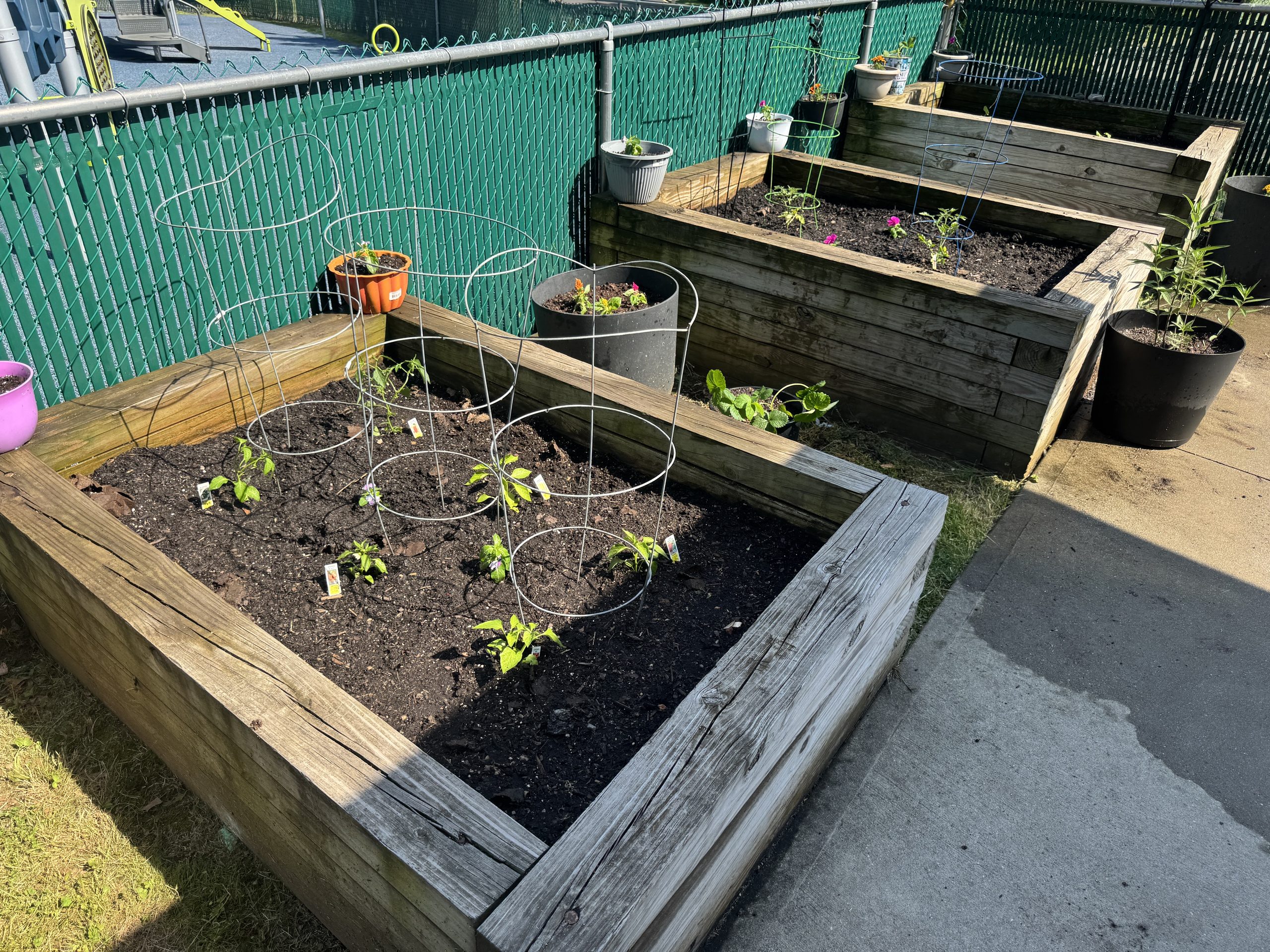
I think the snow is over. It seemed like it was going to last forever, but like many things, disappeared with a whimper. Now we can get down to the business of growing things.
We have a couple of gardeners on our staff and I’m going to see if they have any seeds they would like to contribute. I was ruminating on seeds the other day, thinking about how the sum total of human knowledge concerning plants is represented in the totality of seeds in the world. People have been selecting for certain traits and breeding plants to serve us for more years than we can agree on. They didn’t harvest the best plants in the field, they let them go to seed, so that their genetics would be planted next year. The genetic diversity of plant life is a library, created and maintained by people, and represents a sum total of shared provenance. A shared investment that no one can honestly lay claim to. A fund from which we are all entitled to withdraw. This year, many of the plants we grow at Washington Elementary School will be sourced from people we know.


Greenhouse Effect
We are excited to share that our students of Westlake School obtained an indoor greenhouse with grow lights through the Kids Dig In grant, a meaningful opportunity that will transform learning for our students with Autism. This grant has allowed us to bring year-round gardening directly into our classroom, creating a structured, sensory-friendly environment where students can explore plant growth, responsibility, and vocational skills regardless of weather or season. For many of our learners, especially those who thrive on routine and predictable systems, having a consistent indoor growing space provides stability while still offering hands-on, engaging experiences.
The indoor greenhouse is more than just shelves and lights; it is a dynamic teaching tool. Students will participate in planting seeds, watering, monitoring growth, and harvesting produce, all while following individualized visual schedules and task analyses. The grow lights allow us to simulate natural sunlight, ensuring plants thrive even during colder months, which means our vocational training does not pause. Students practice fine motor skills while handling soil and seeds, build functional math skills when measuring water or counting seedlings, and strengthen communication by requesting materials or commenting on plant growth using AAC devices.
This greenhouse also supports social-emotional development. Gardening is naturally regulating and calming, offering sensory input through touch, smell, and visual observation. Students experience the pride that comes from nurturing a living thing and seeing tangible results from their work. The structure of daily plant care routines reinforces independence, responsibility, and work-readiness behaviors such as completing tasks, checking off schedules, and working collaboratively with peers.
Most importantly, the Kids Dig In grant affirms what we already know — our students are capable of meaningful, authentic work when given the right supports. The indoor greenhouse will serve as a foundation for expanding our vocational programming, potentially supplying plants for our school community or future garden center initiatives. It represents growth not only for our plants, but for our students as learners, workers, and valued members of our community.