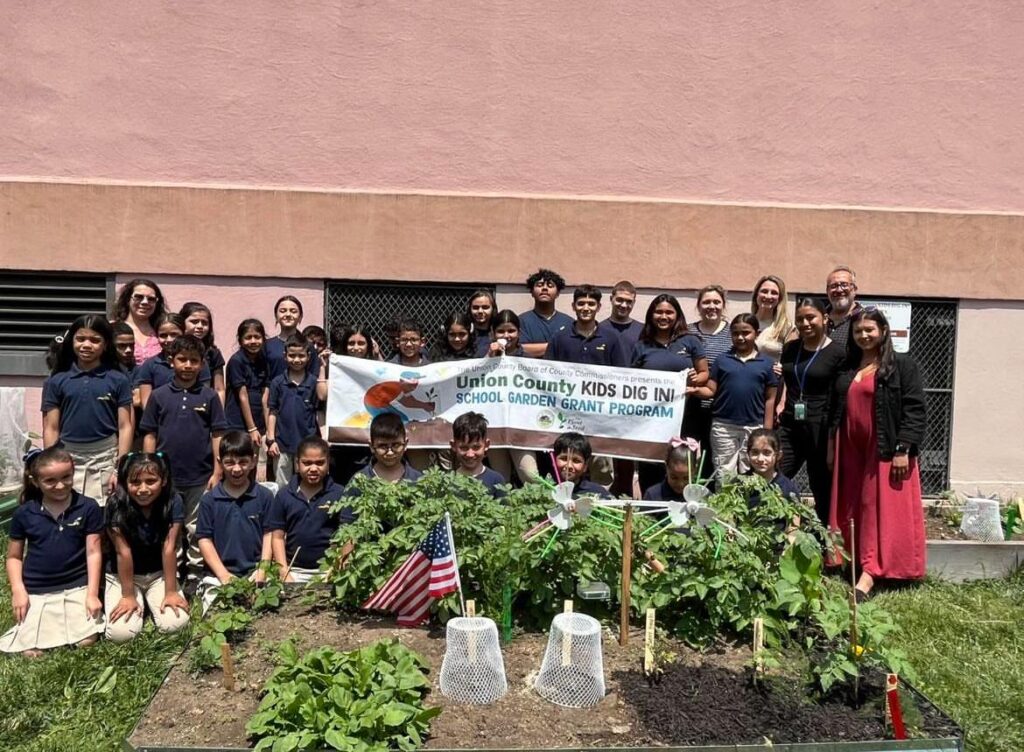
Juan Pablo Duarte School No. 28

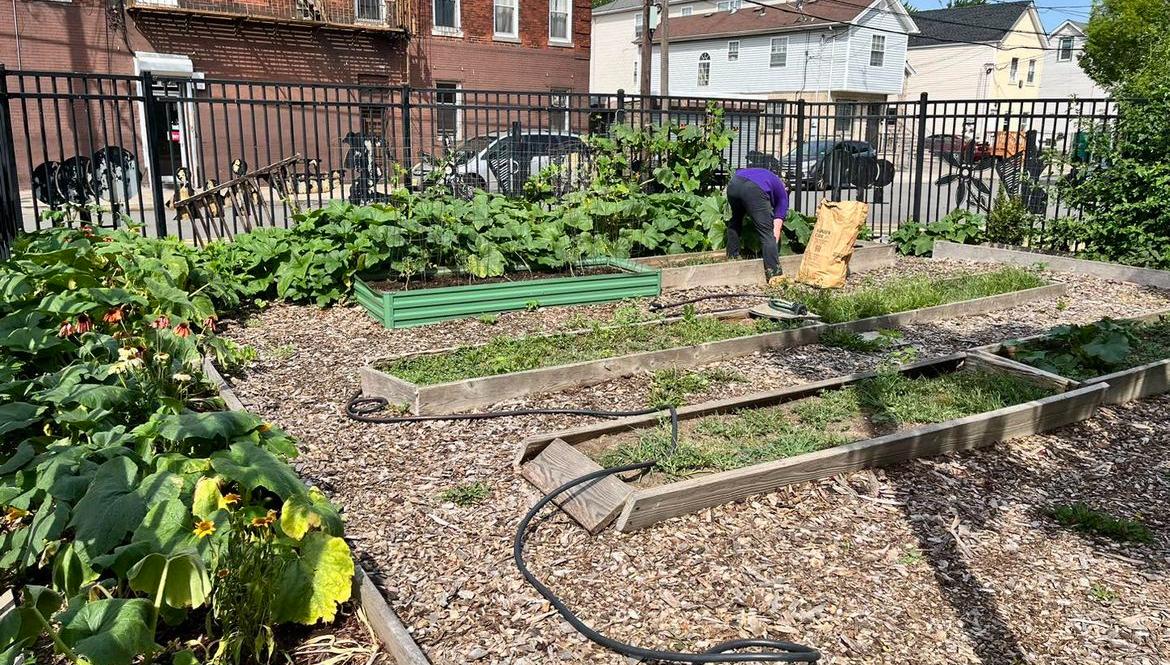
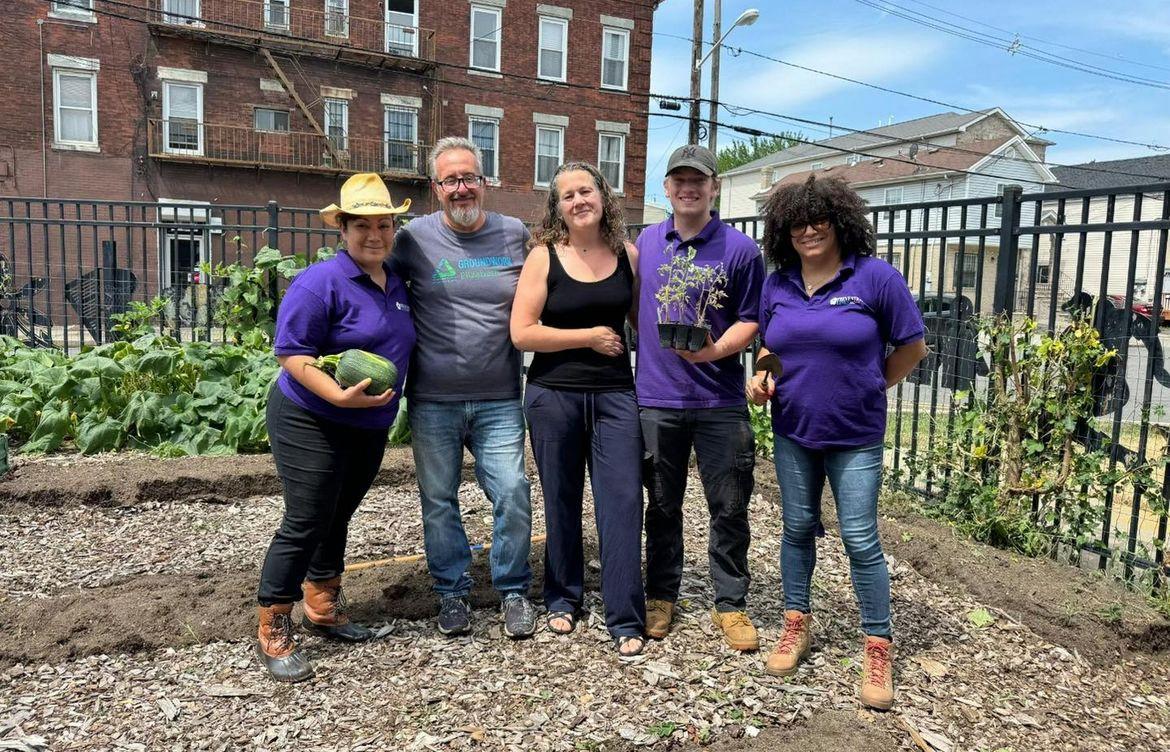
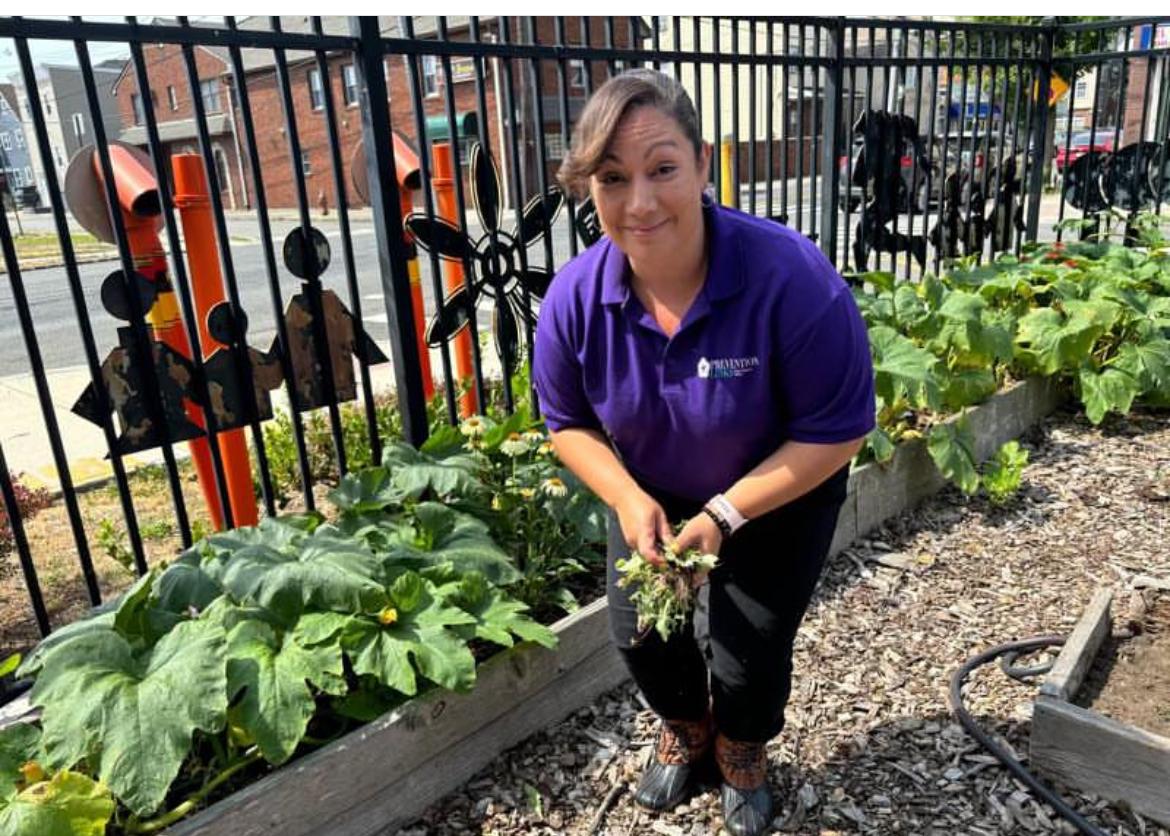
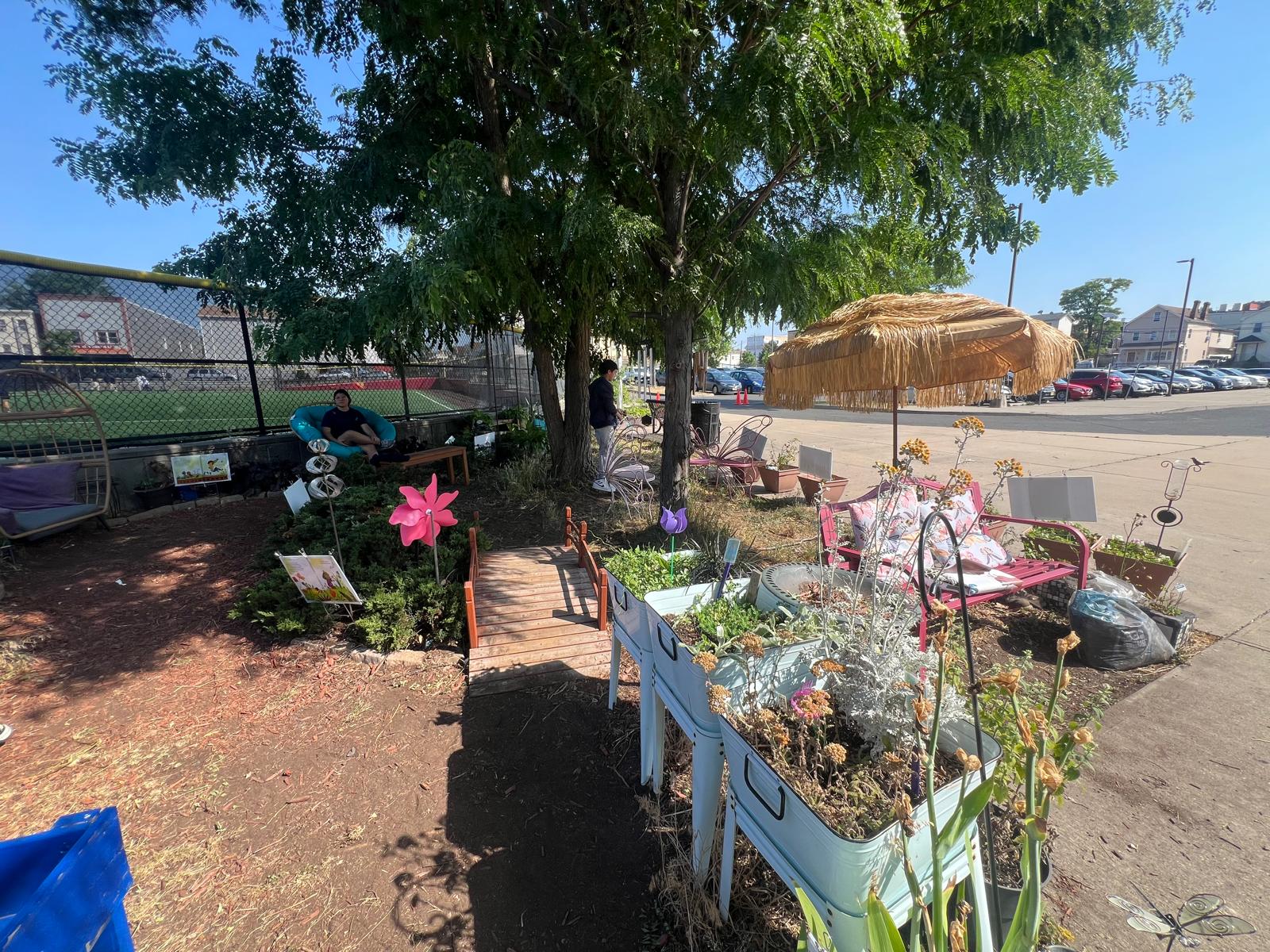
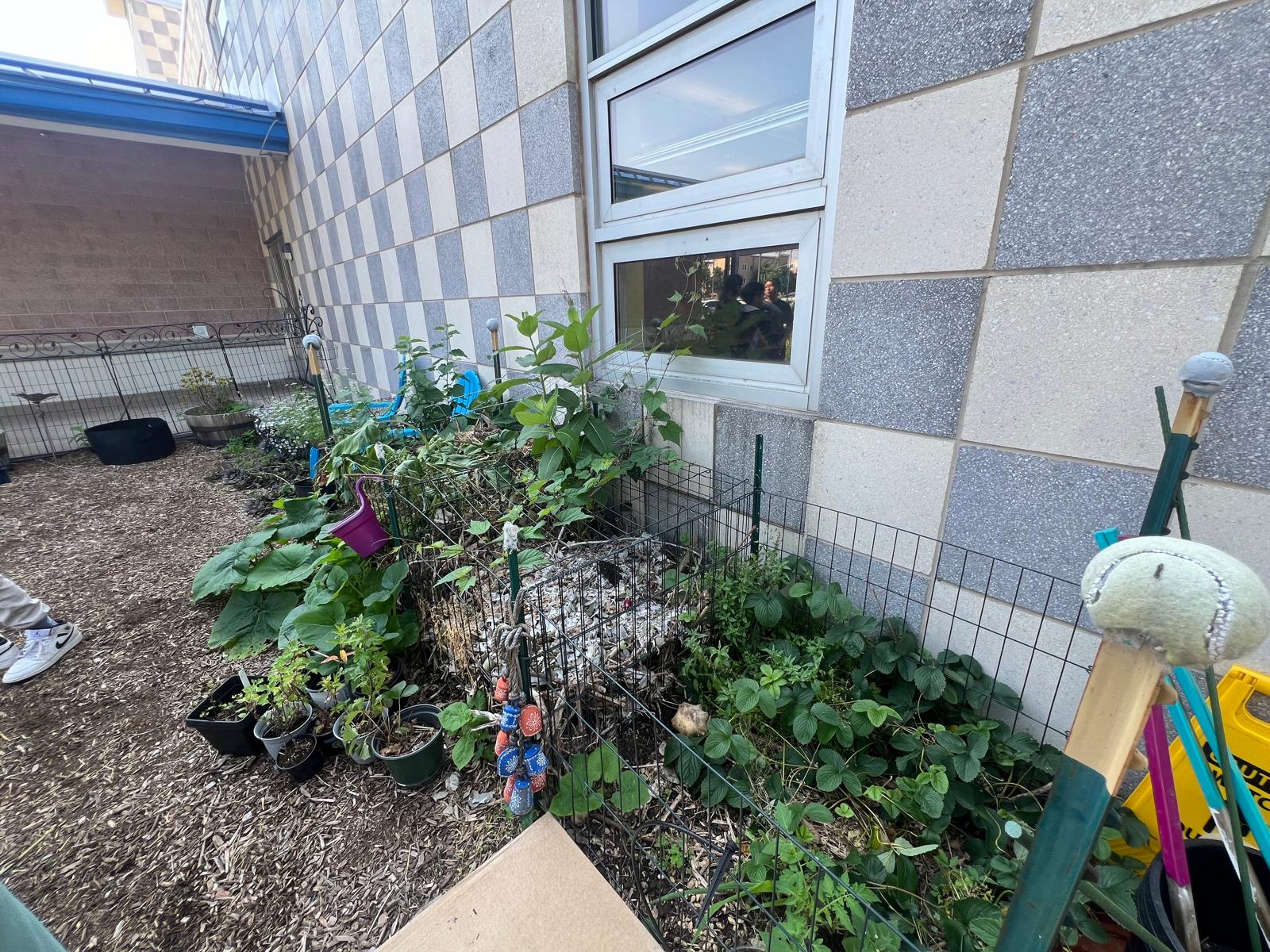
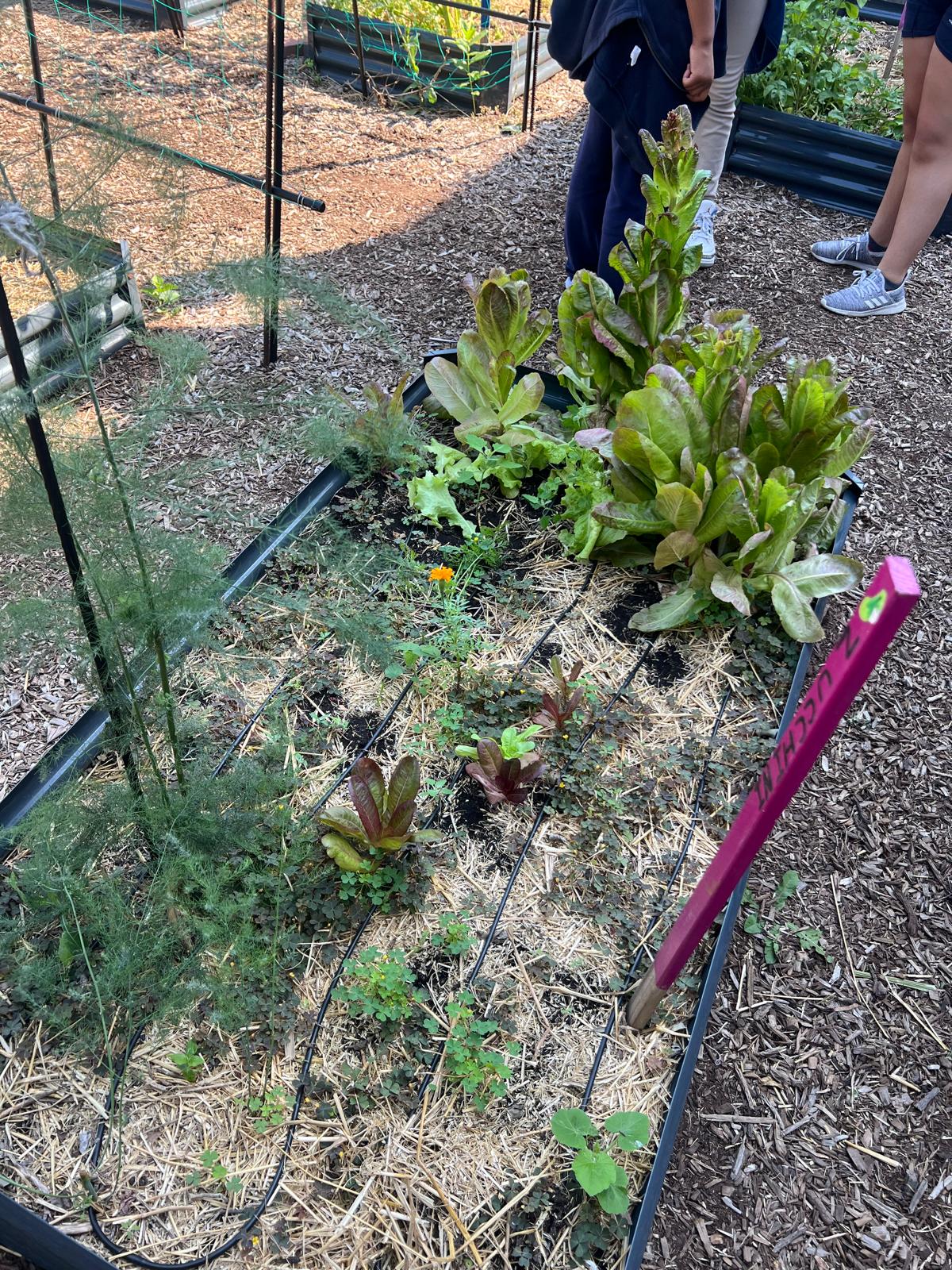
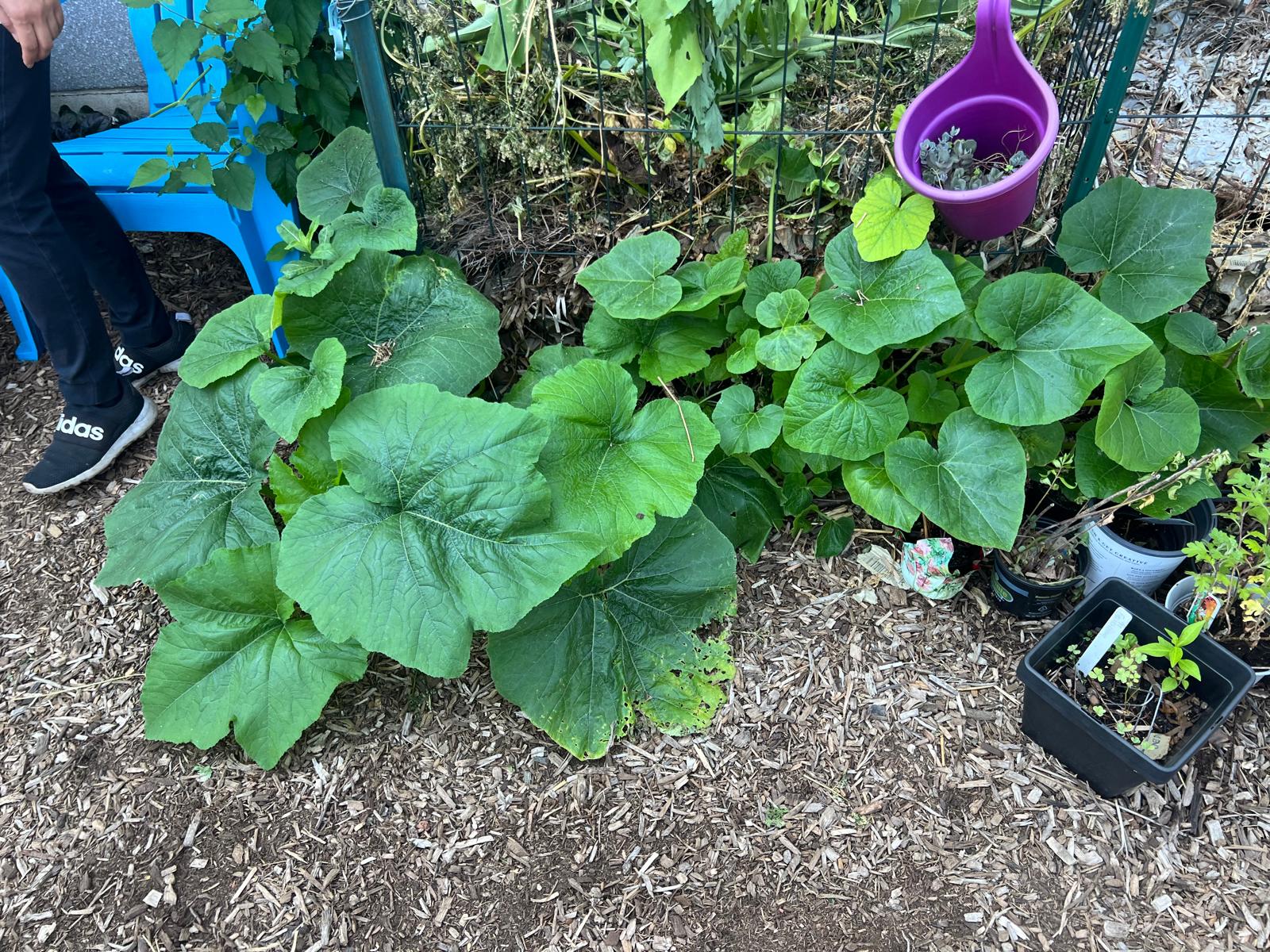
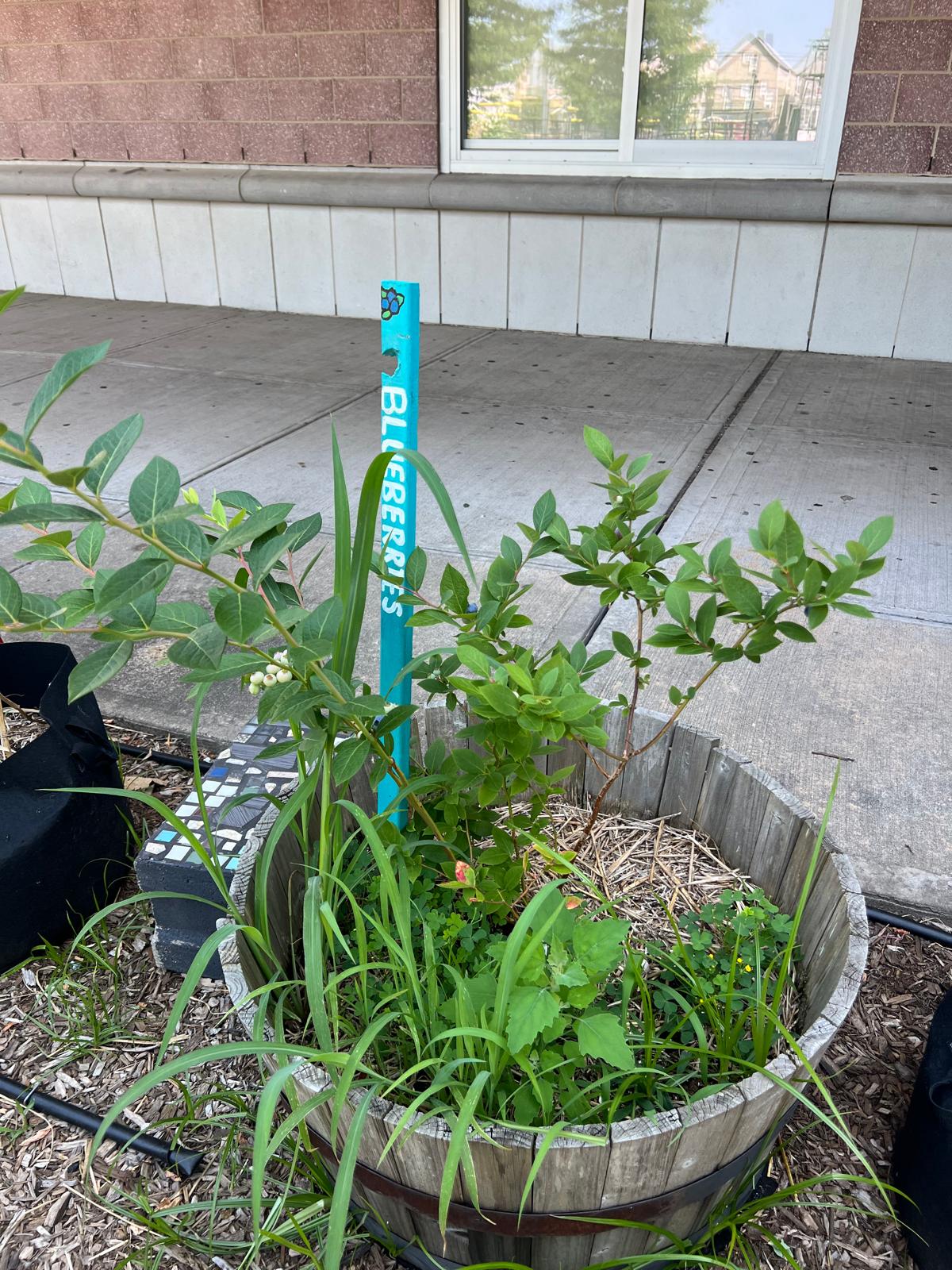
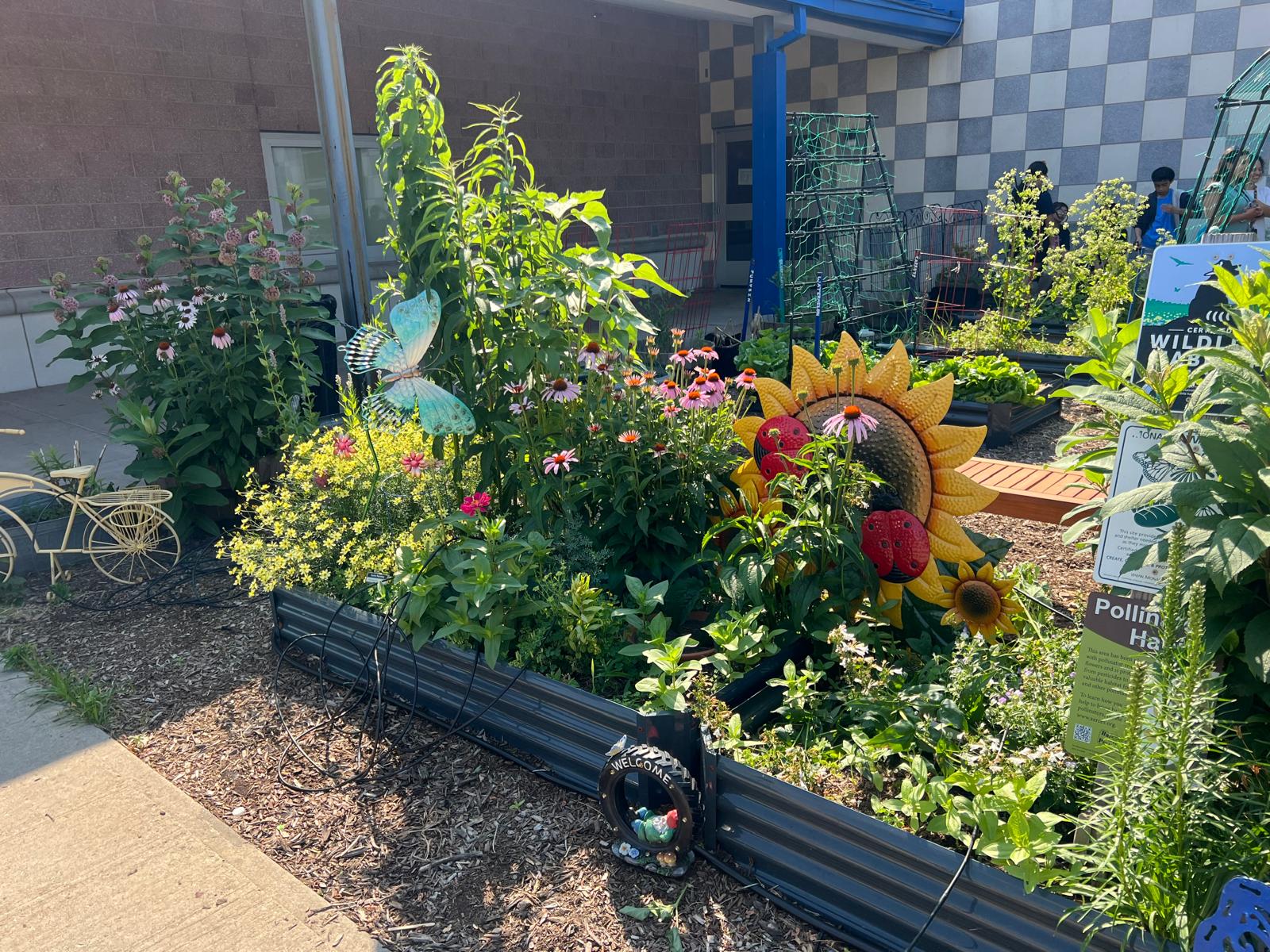
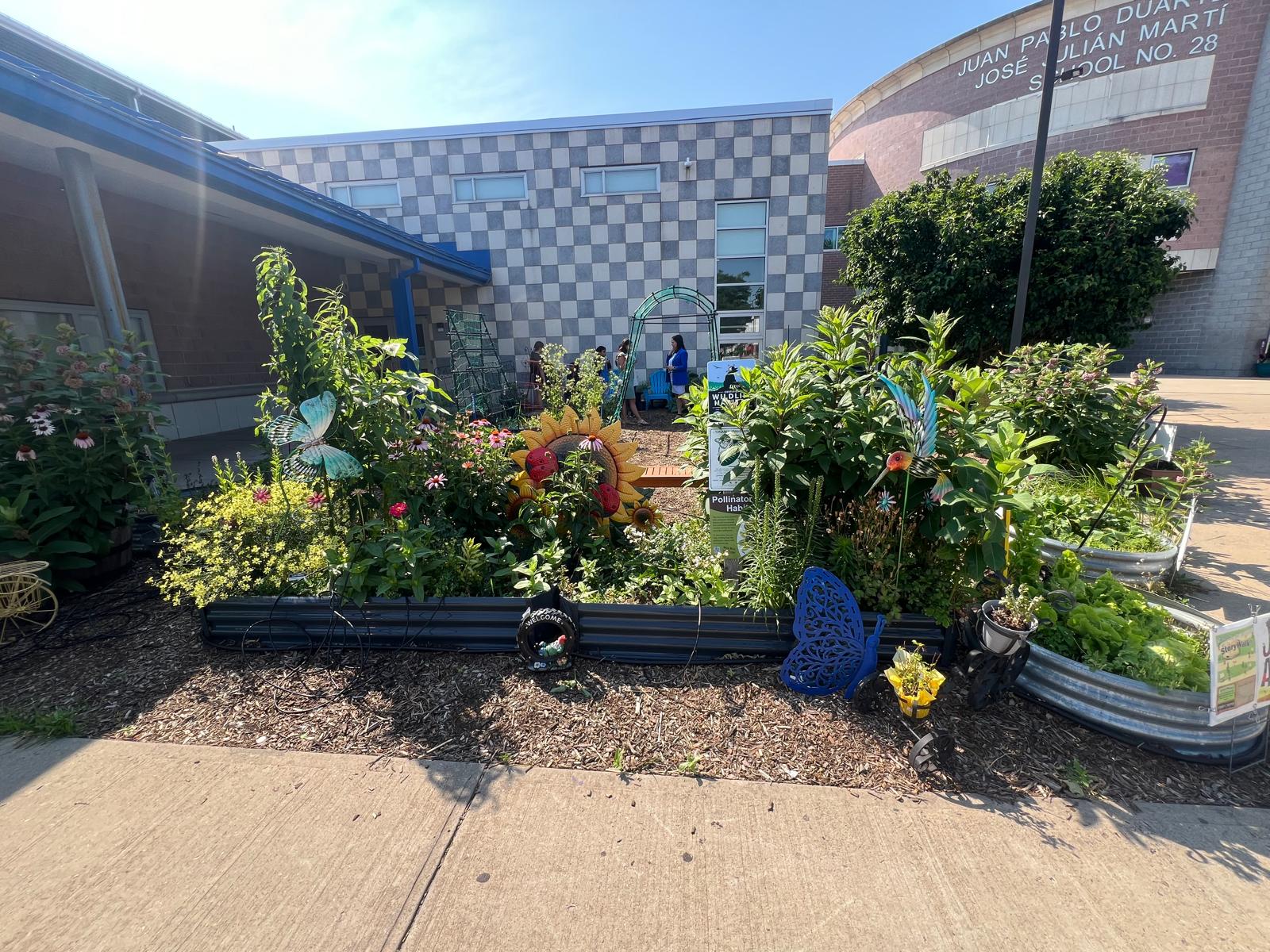
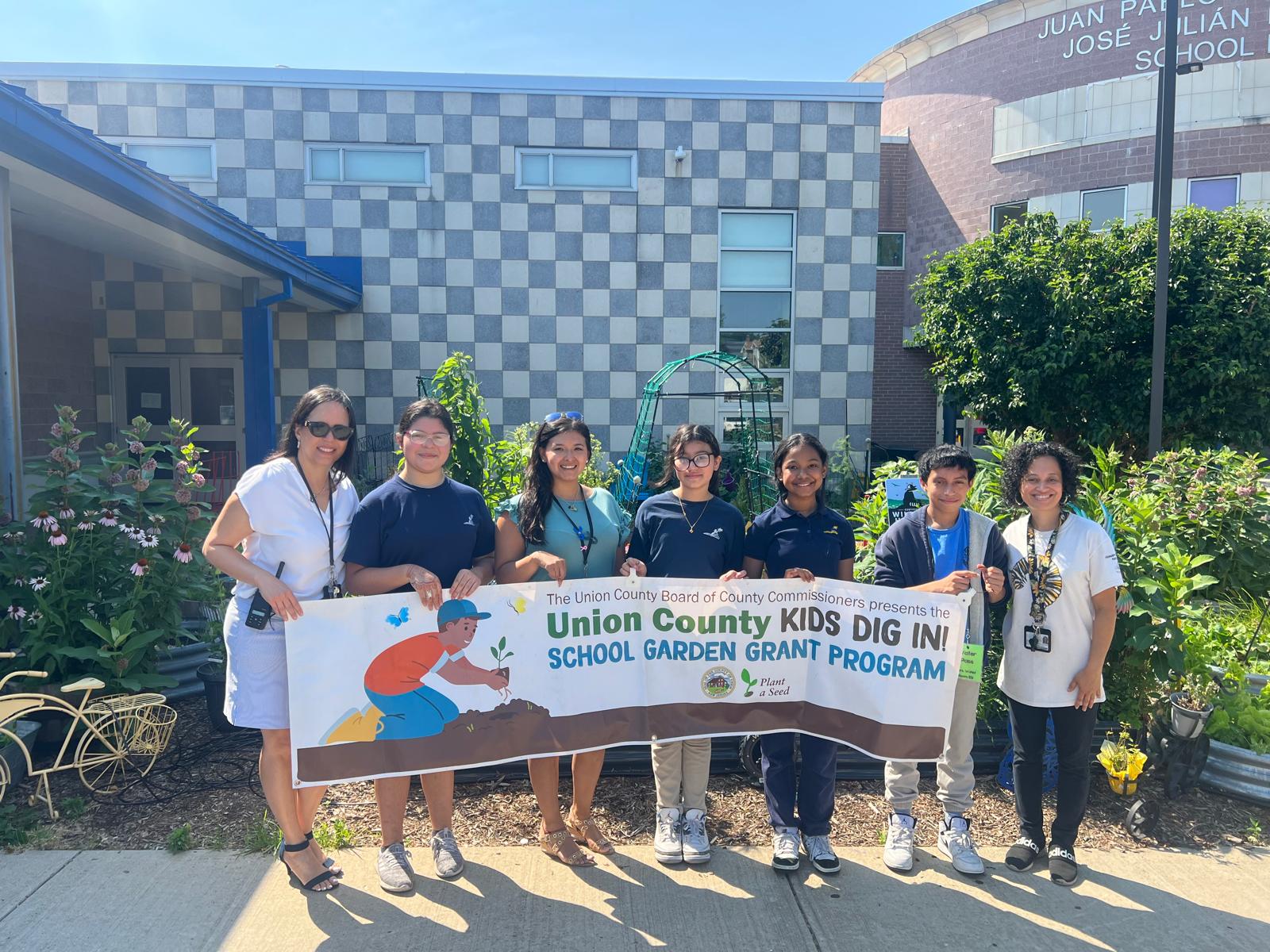
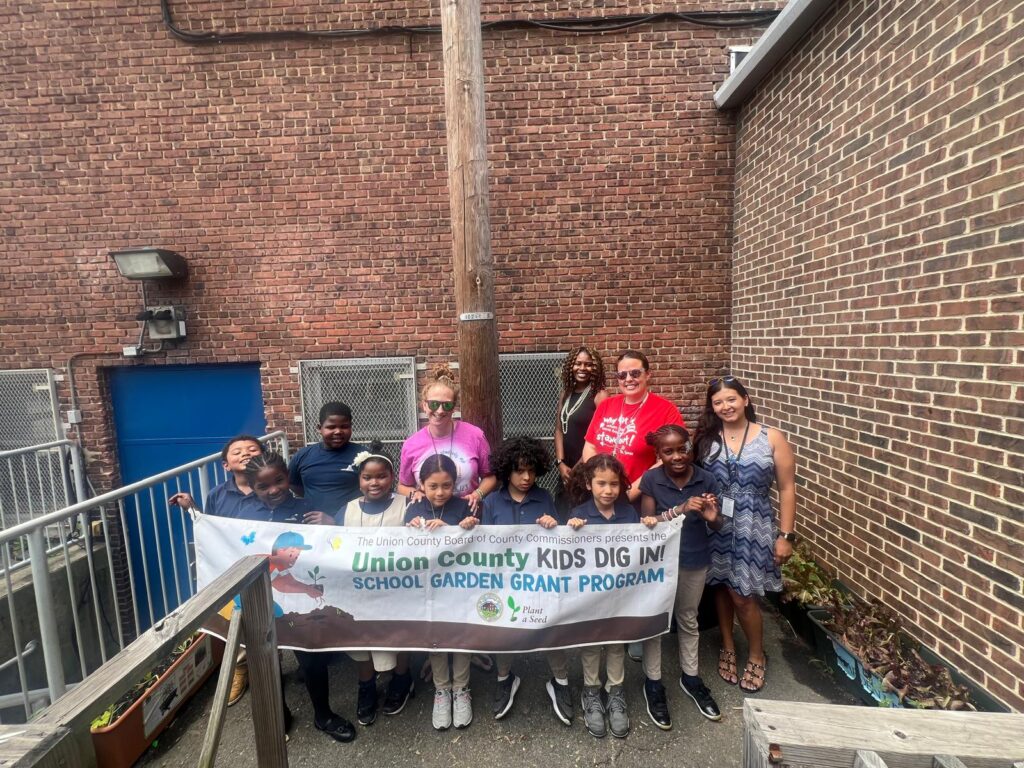
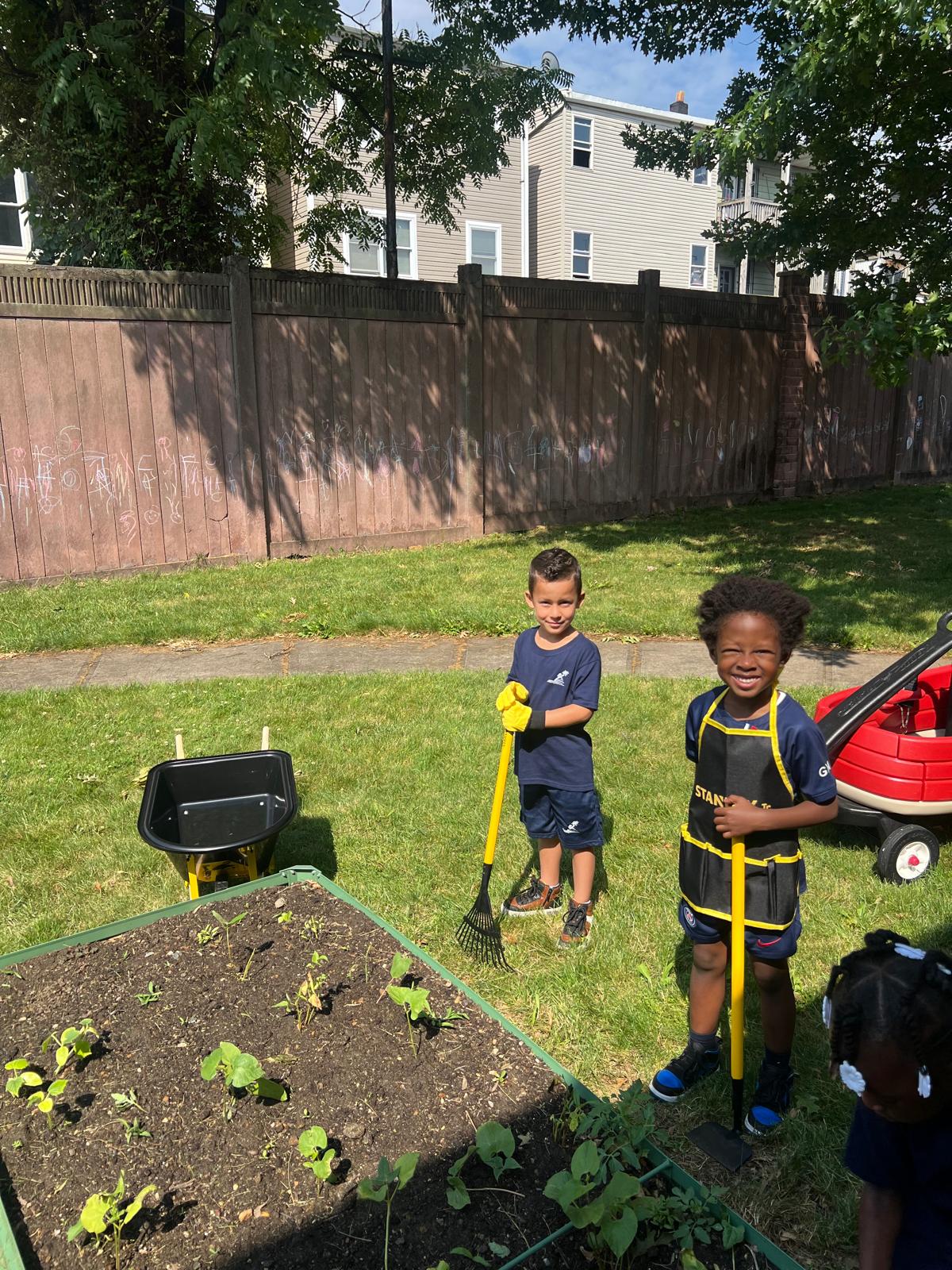
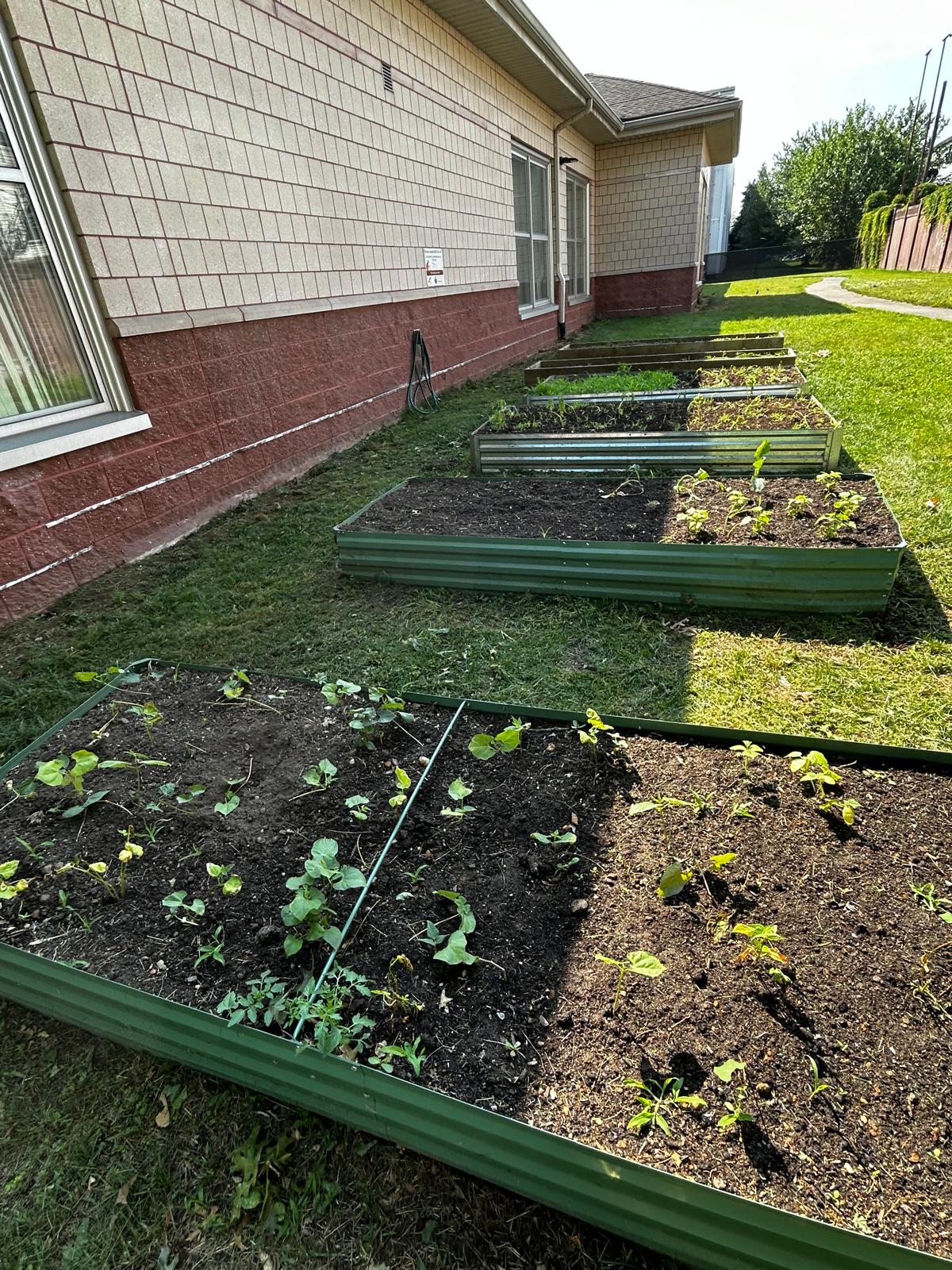
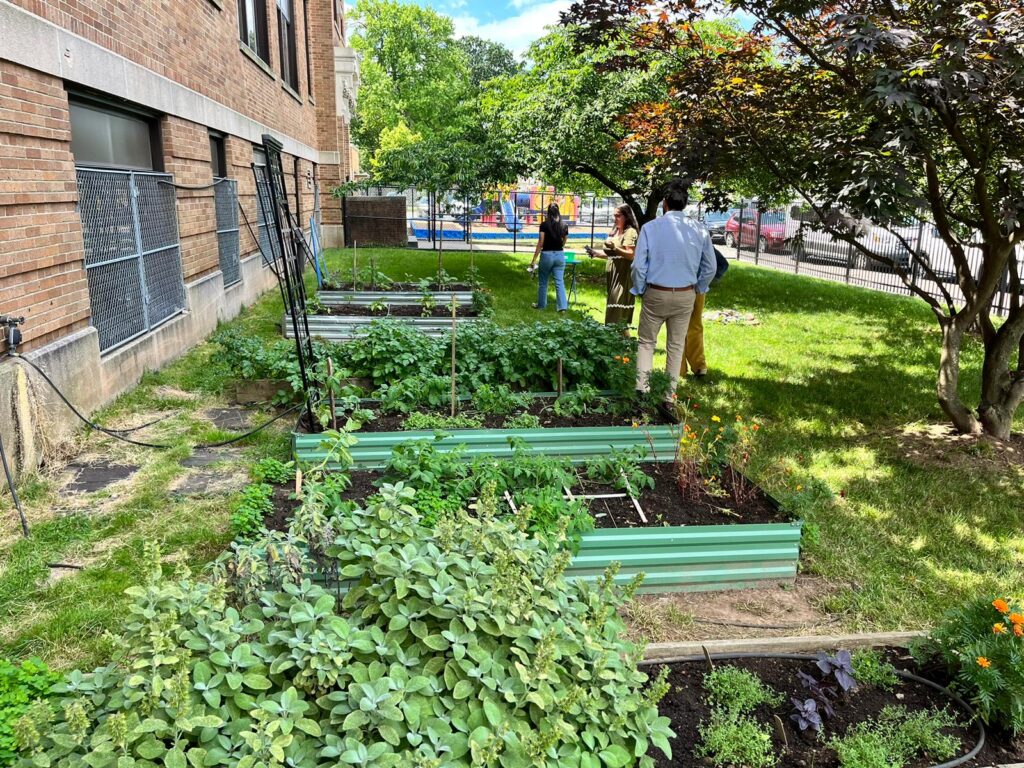
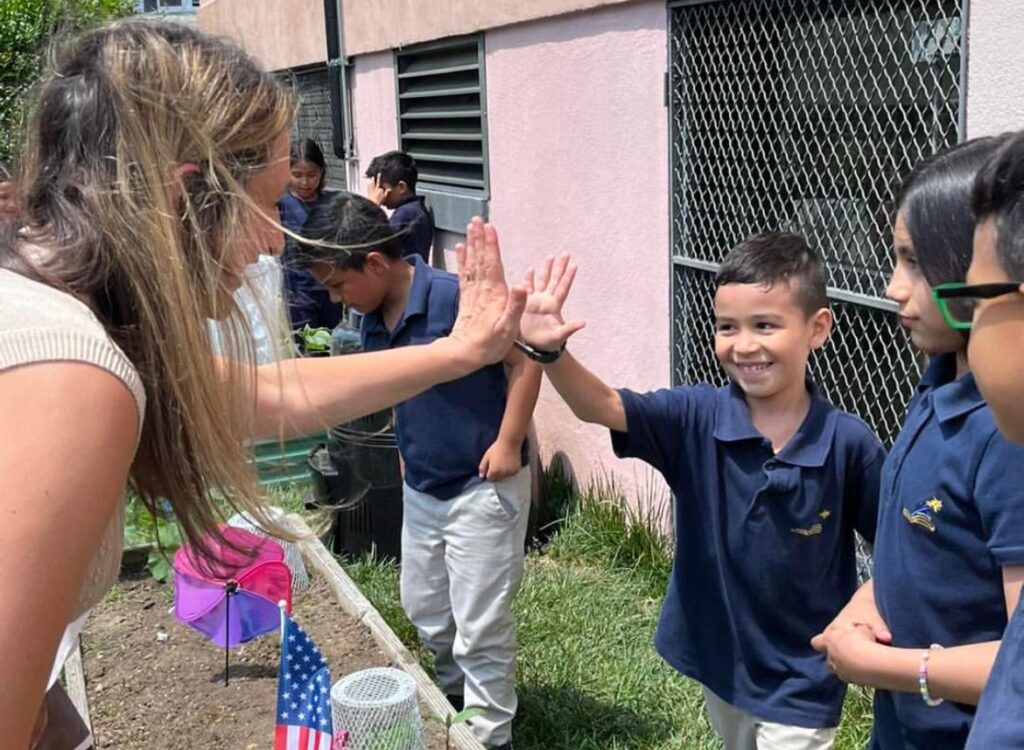
We joined Mrs. Montalvo and her students for a tour of the Juan Pablo Duarte School No. 28 garden!

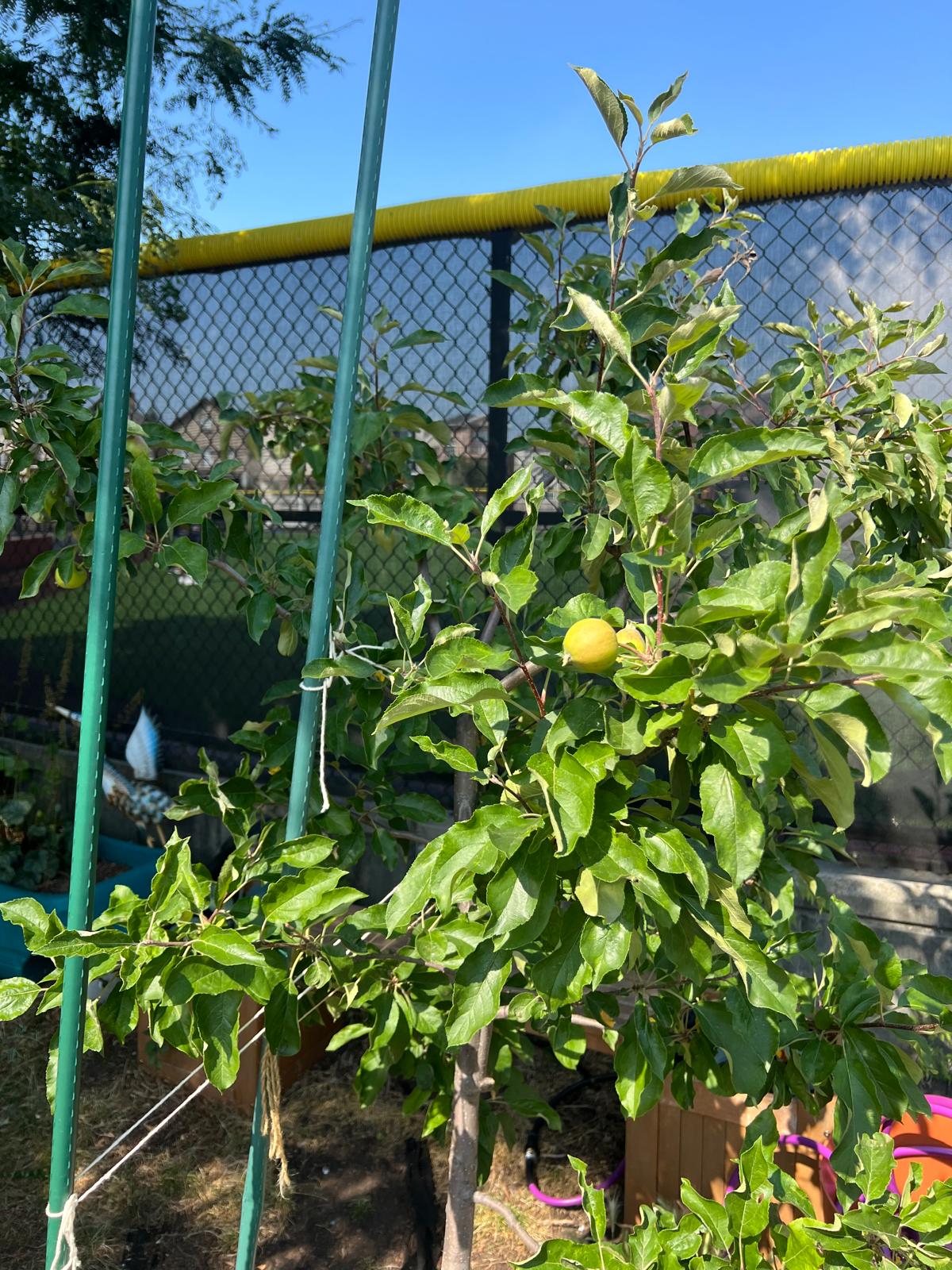
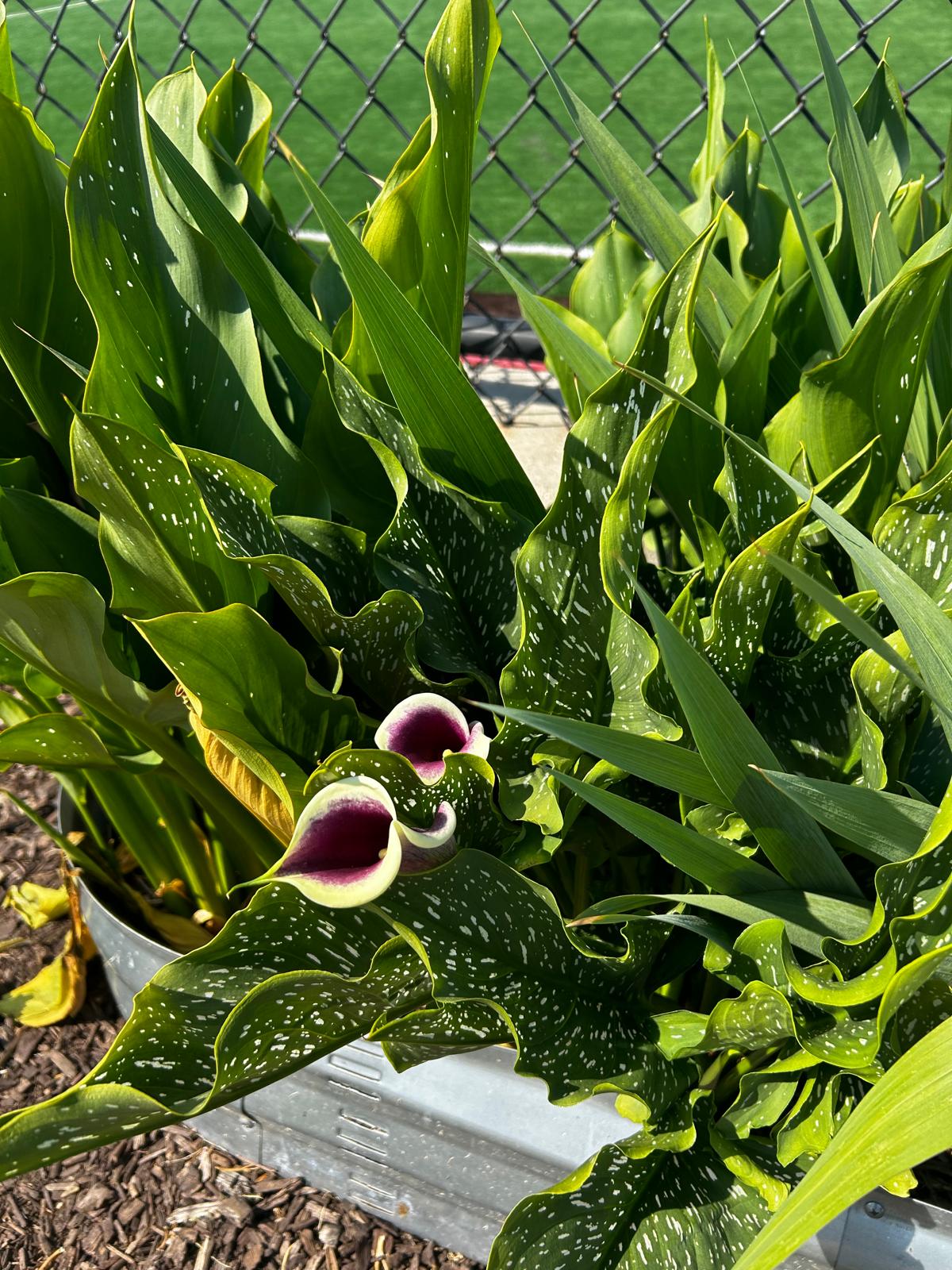
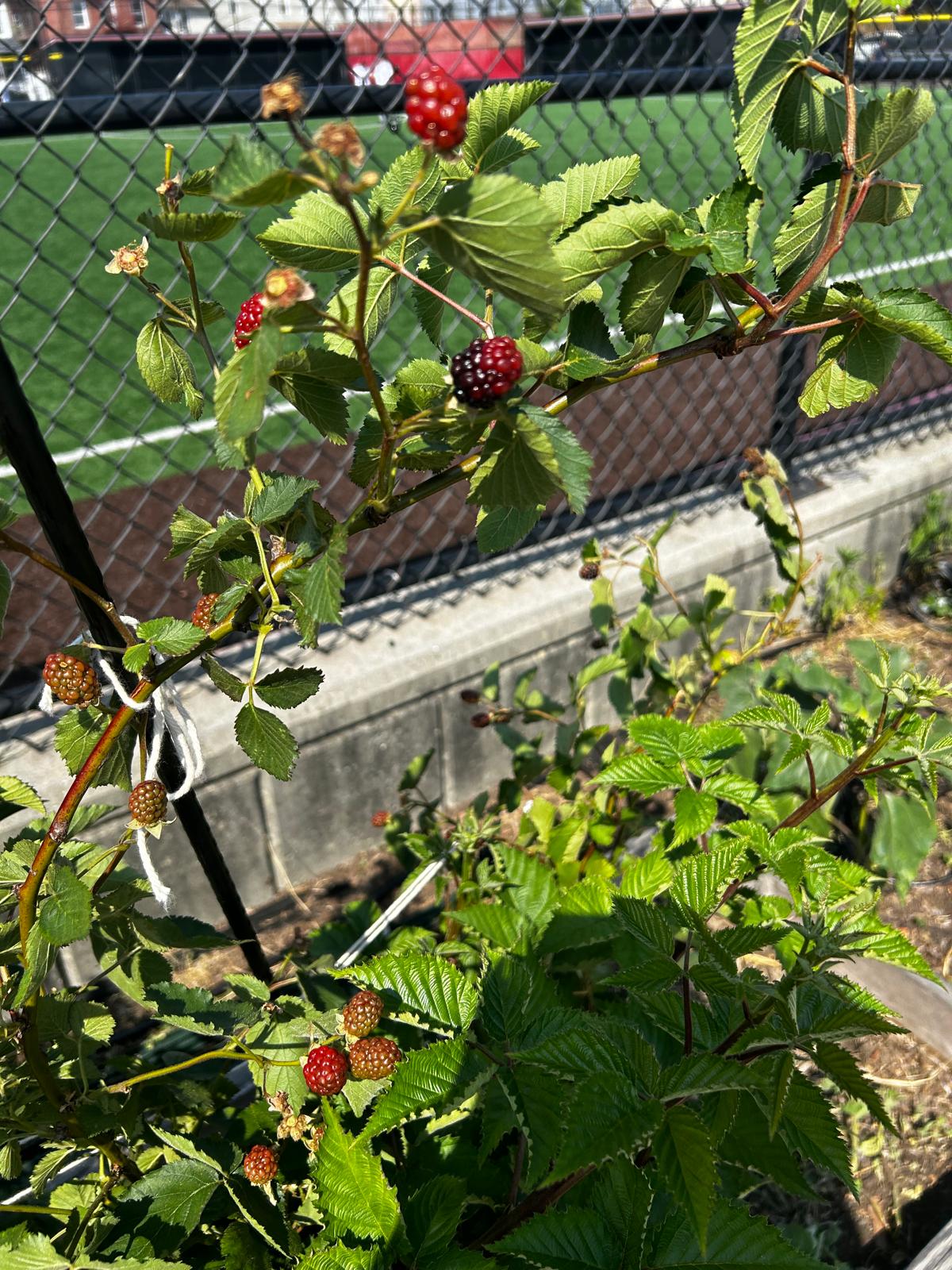
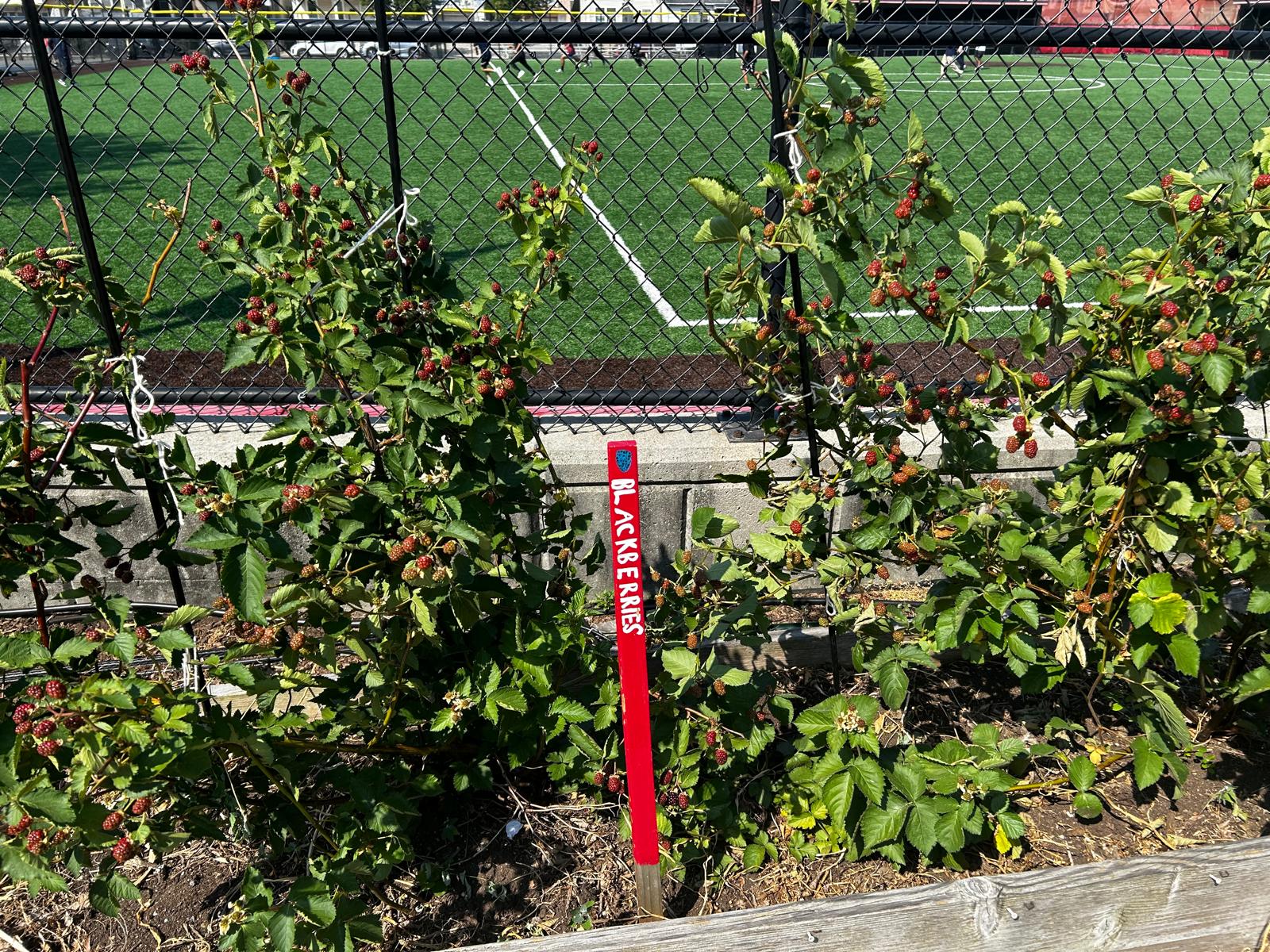
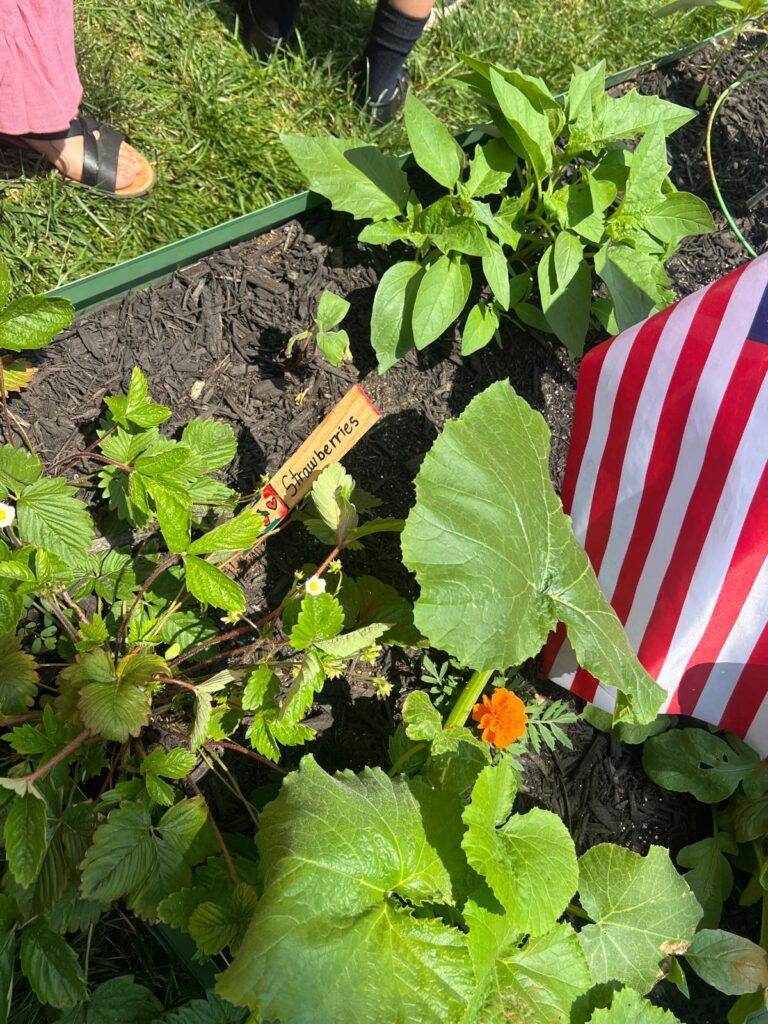
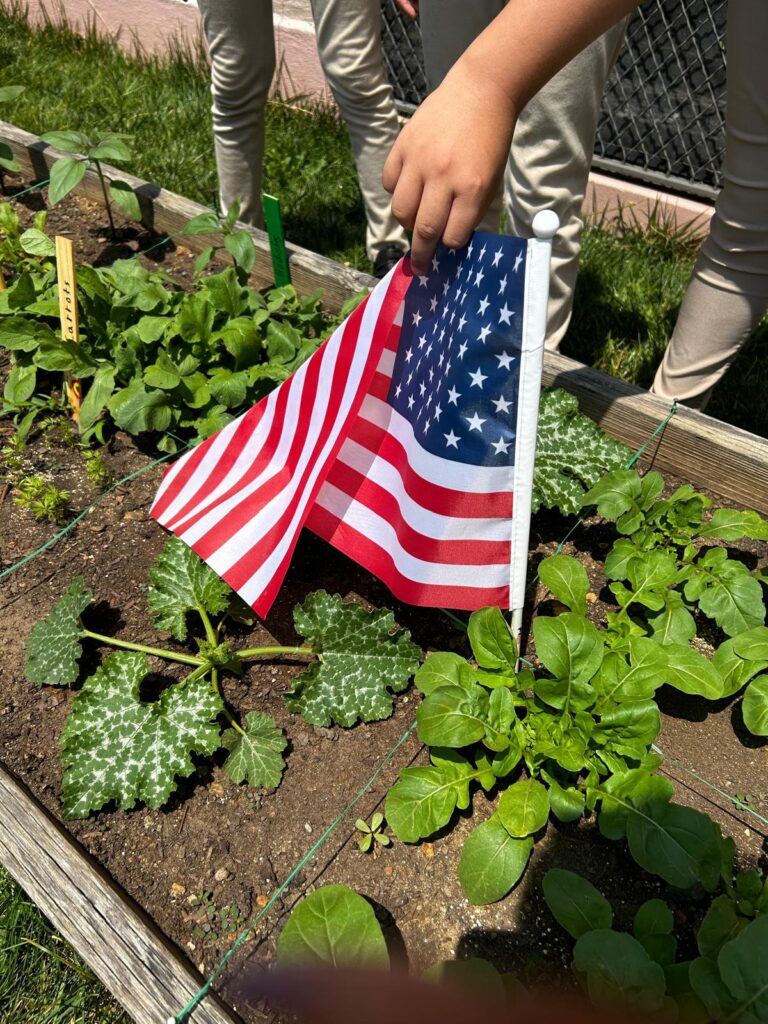
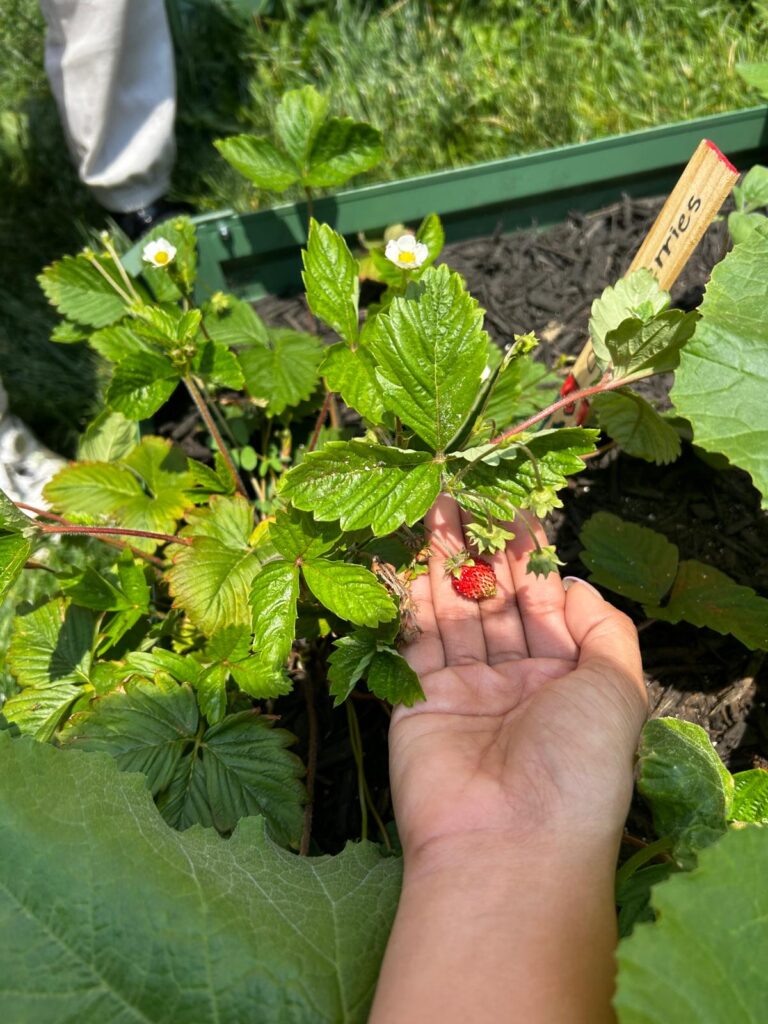
This garden is full of many surprises. Students are currently help grow blackberries and raspberries as well as watermelons. In addition, they are currently growing calla lilies, milkweed, potatoes, zucchini, carrots, and parsley.

Robert Morris School No. 18

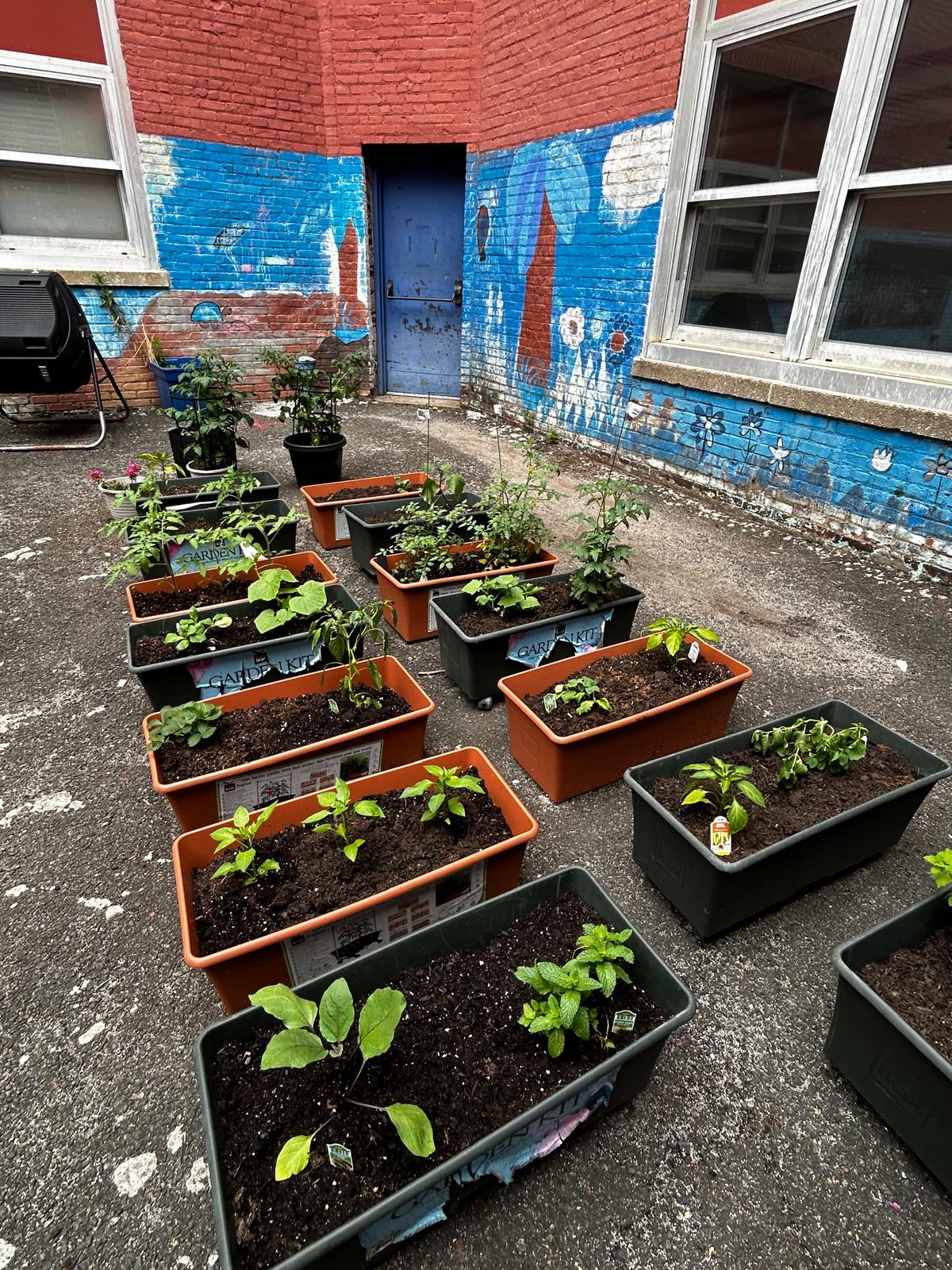
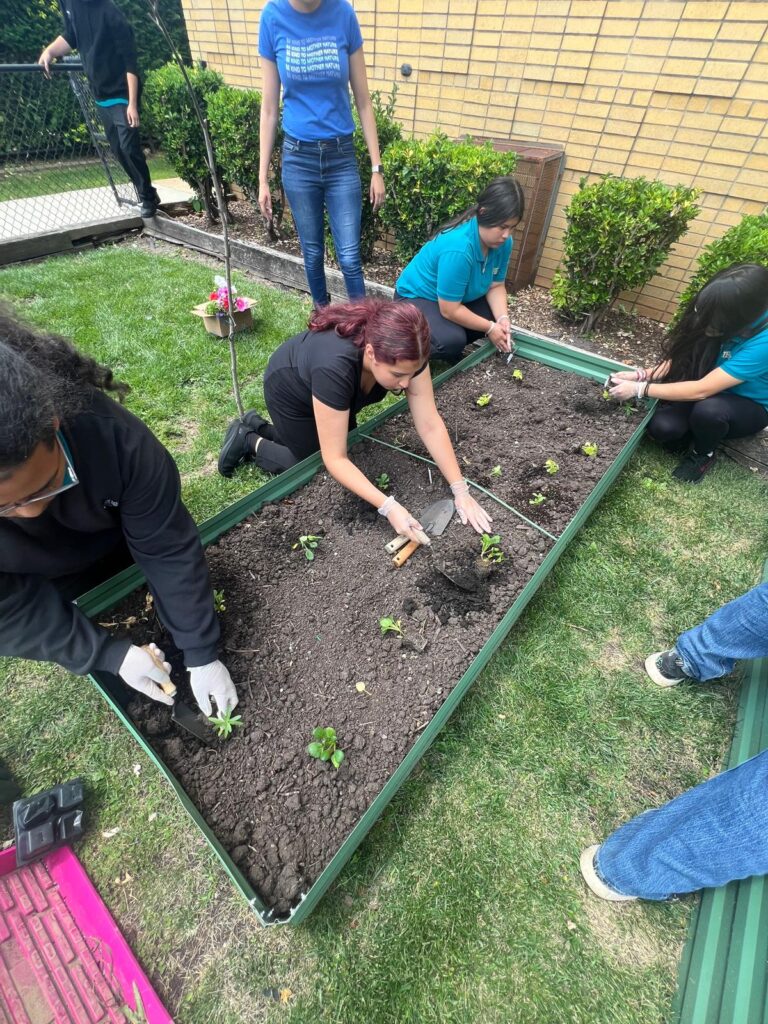
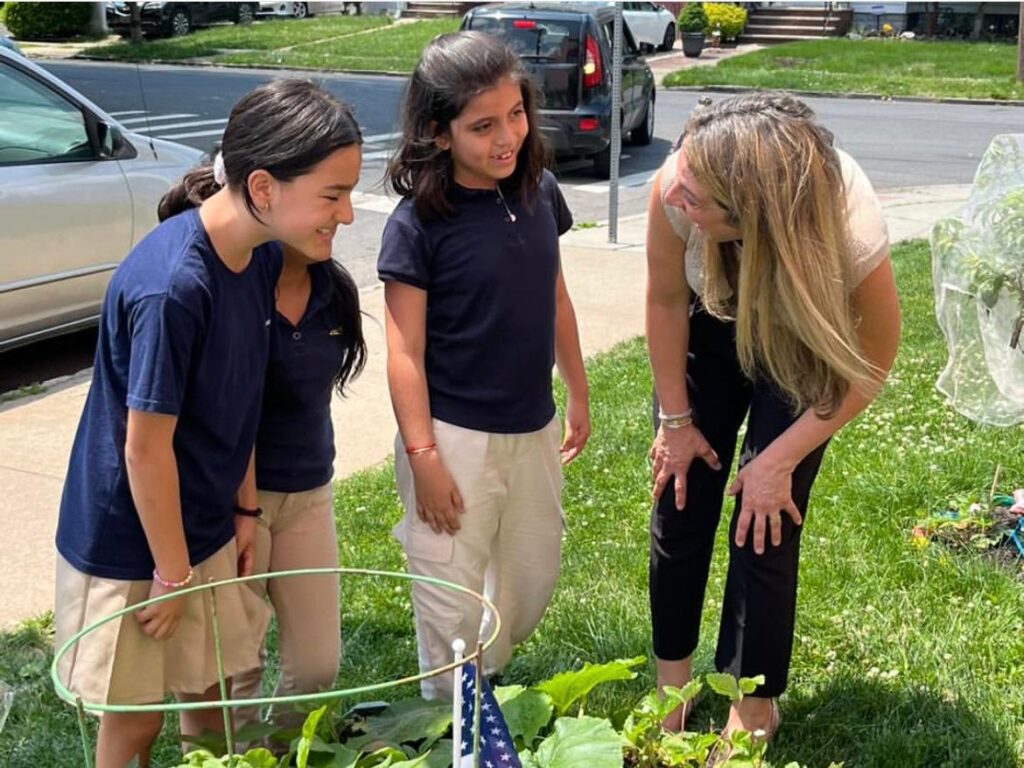
Students and faculty from Robert Morris School No.18 have planted their very own fresh vegetables!

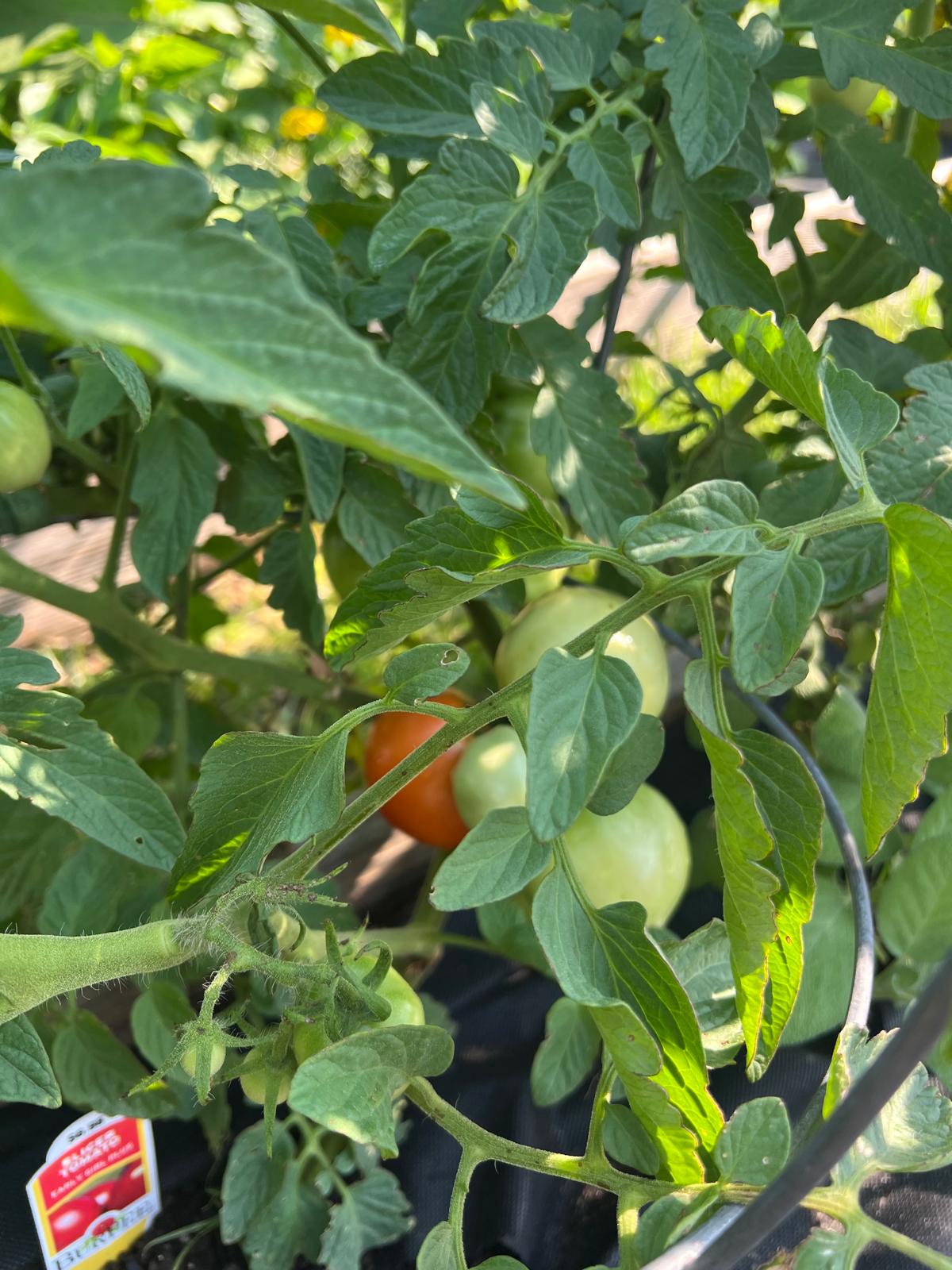
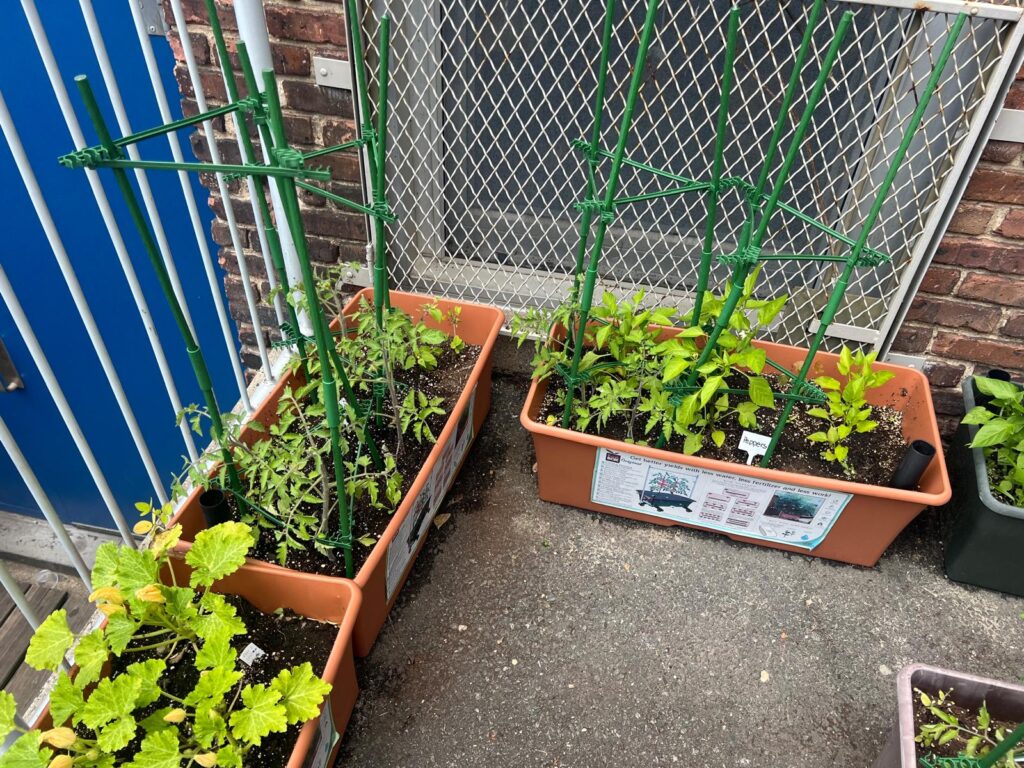
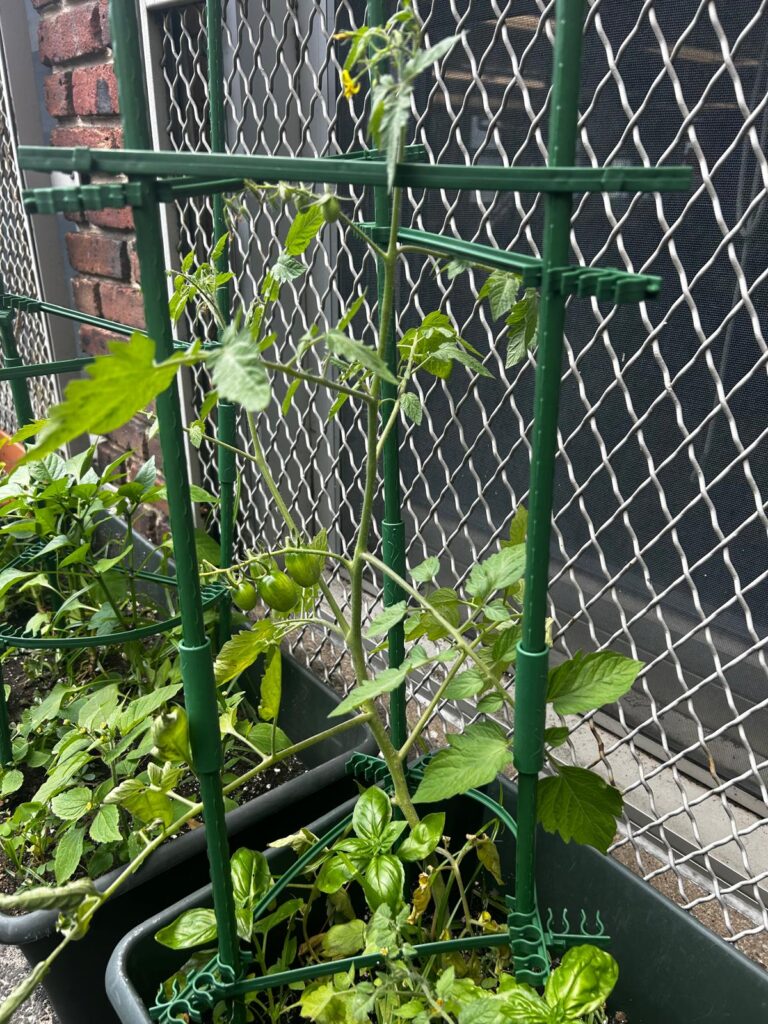
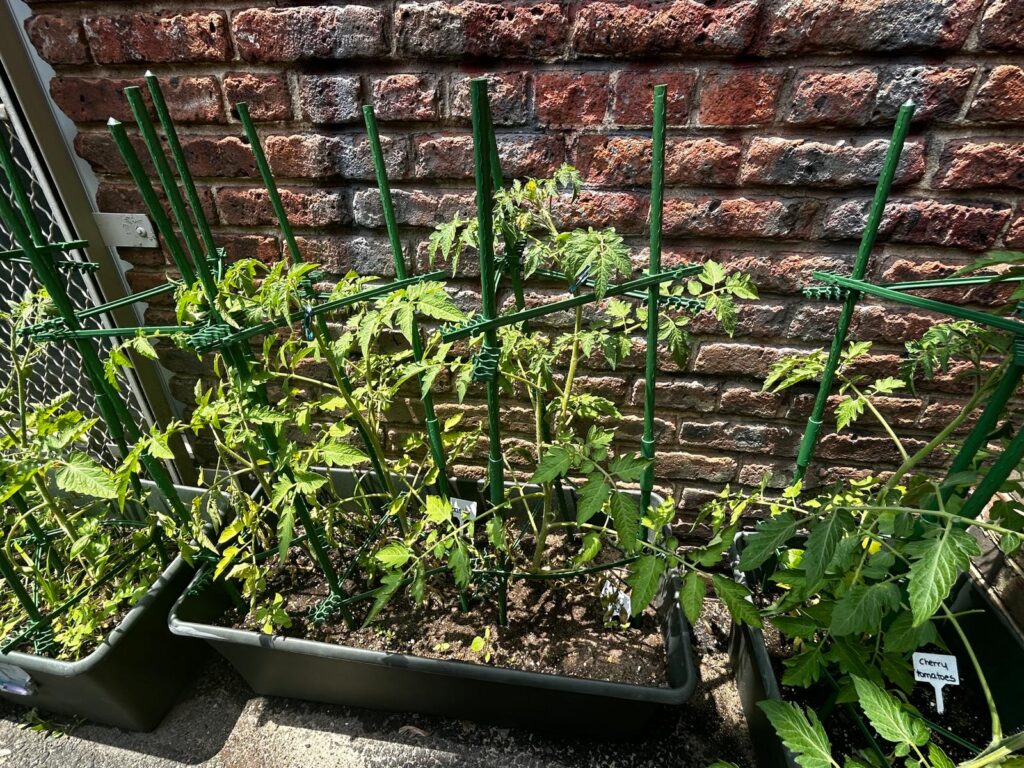
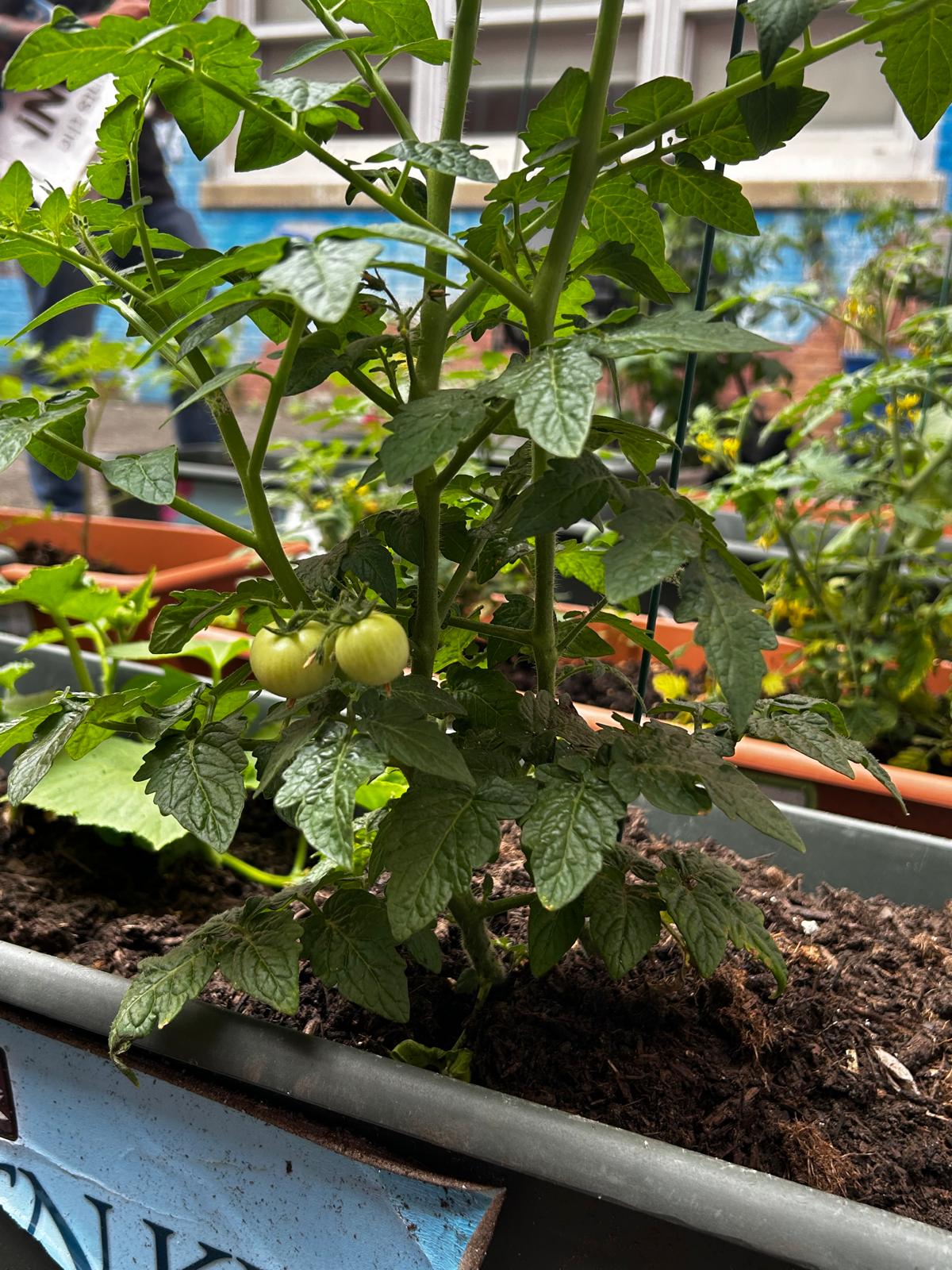
One of the most common fruits being planted in these Union County gardens are tomatoes!

Fun Fact: There are more than 10,000 different varieties of tomatoes.

John Marshall School No. 20

Students and faculty from John Marshall School No. 20 have welcomed a variety of new plants to their garden!  One of the big ones that will be growing here are black cherry tomatoes.

Trivia: What is the scientific name for tomato?

Answer: Lycopersicon Esculentum

Abraham Lincoln School No. 14

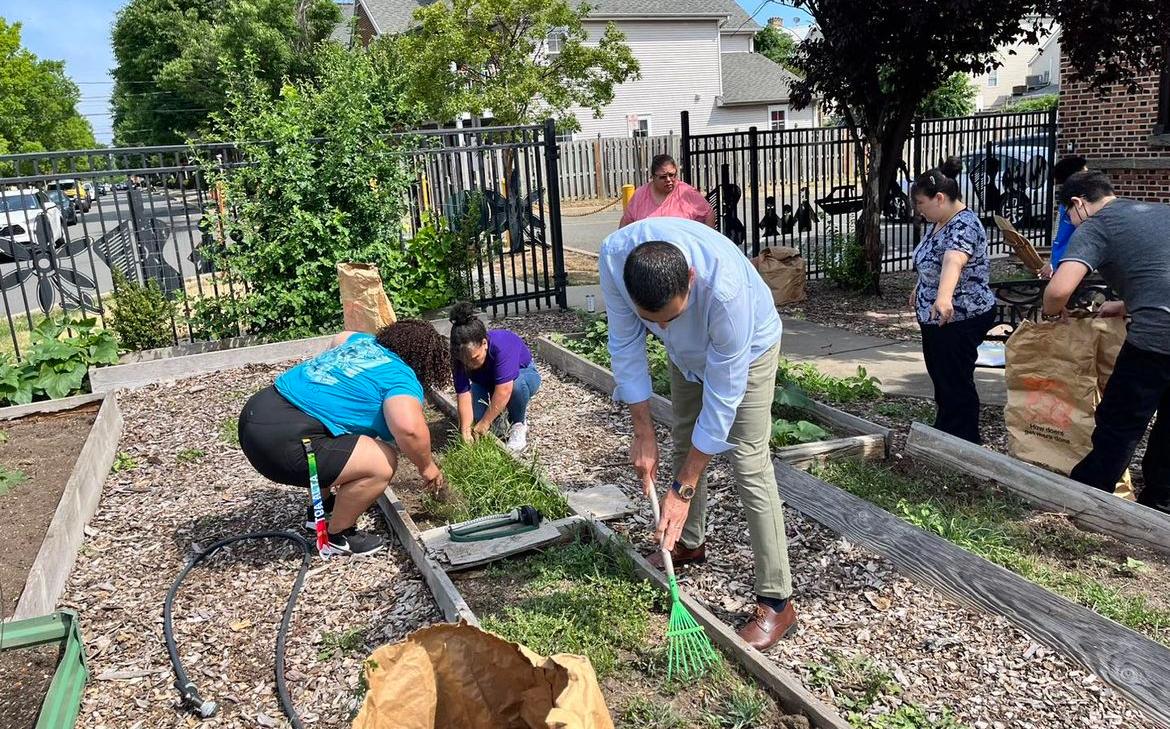
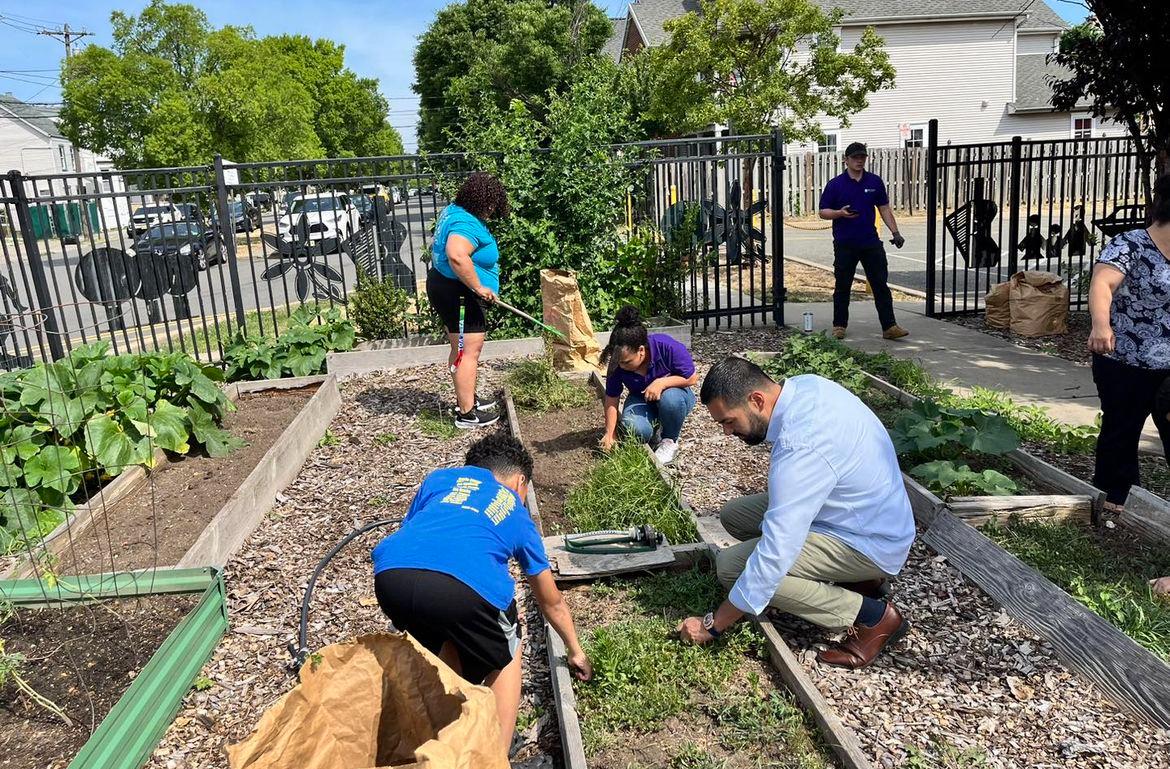
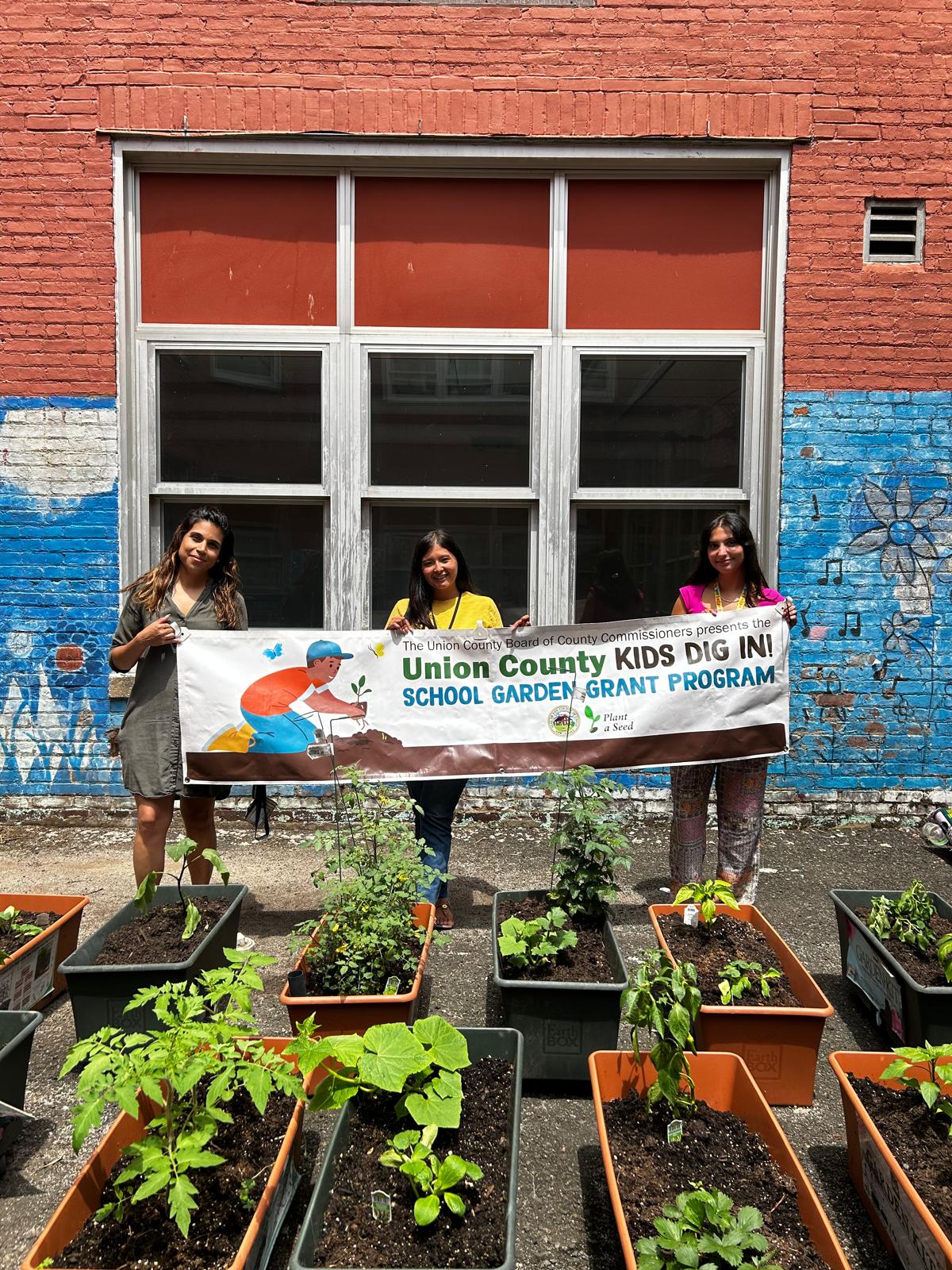
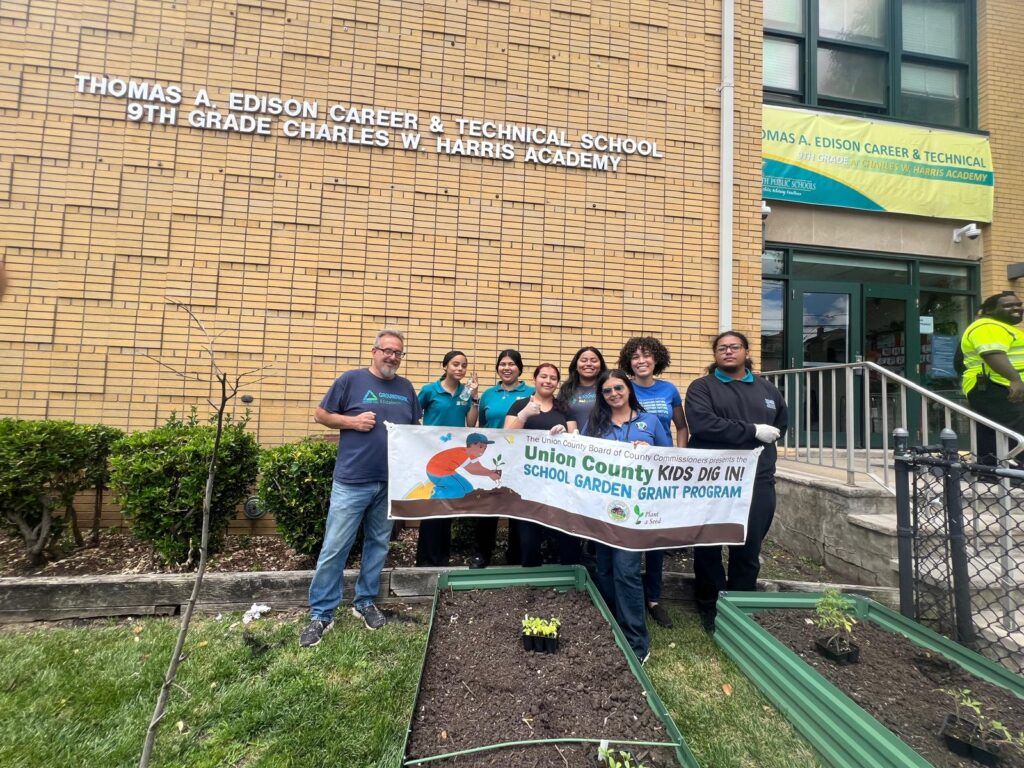
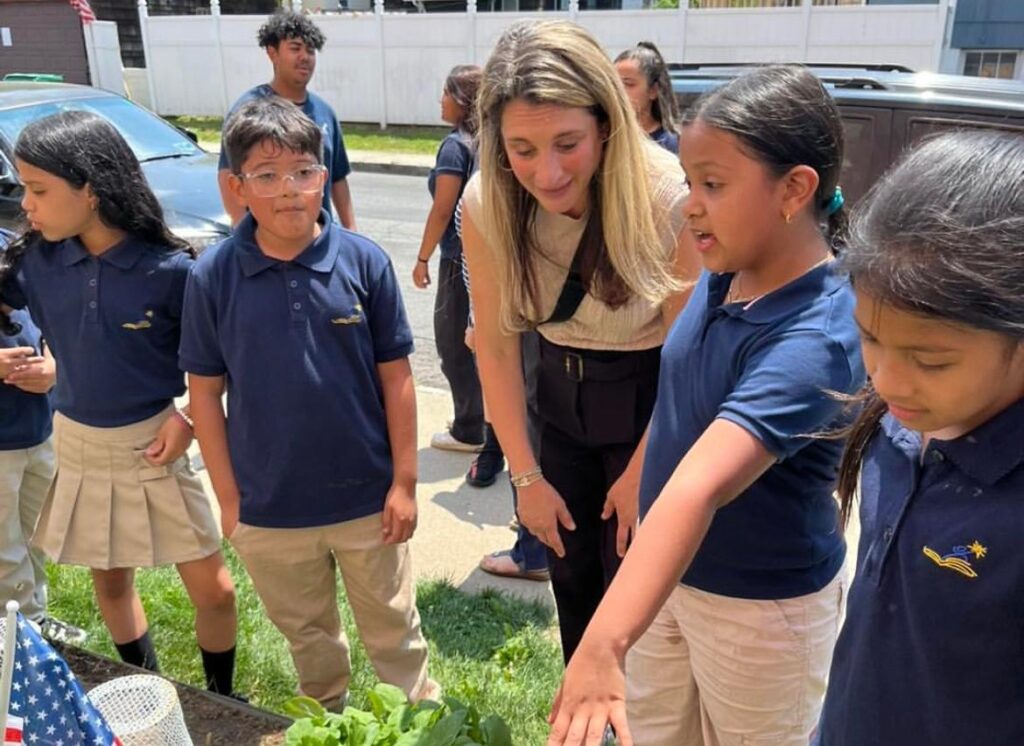
Chairman Granados attended the School Garden Grant Program alongside students from Abraham Lincoln School No.14 in Elizabeth!

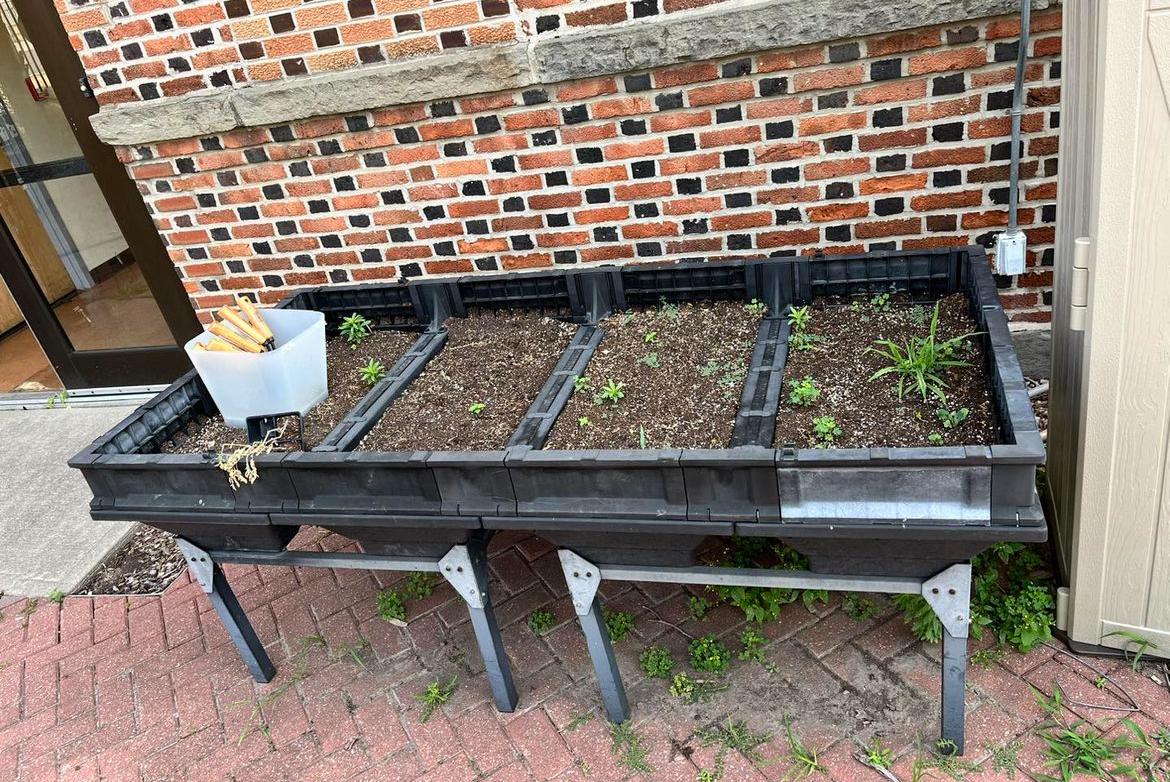
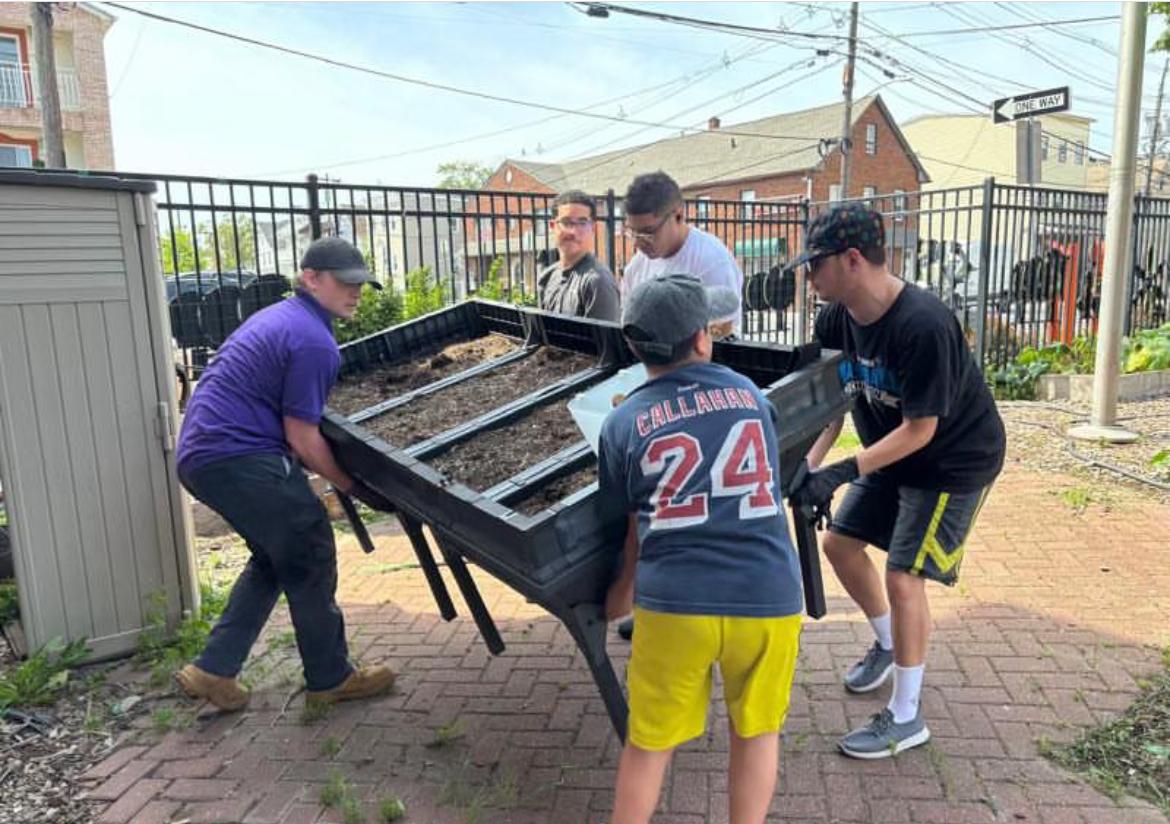
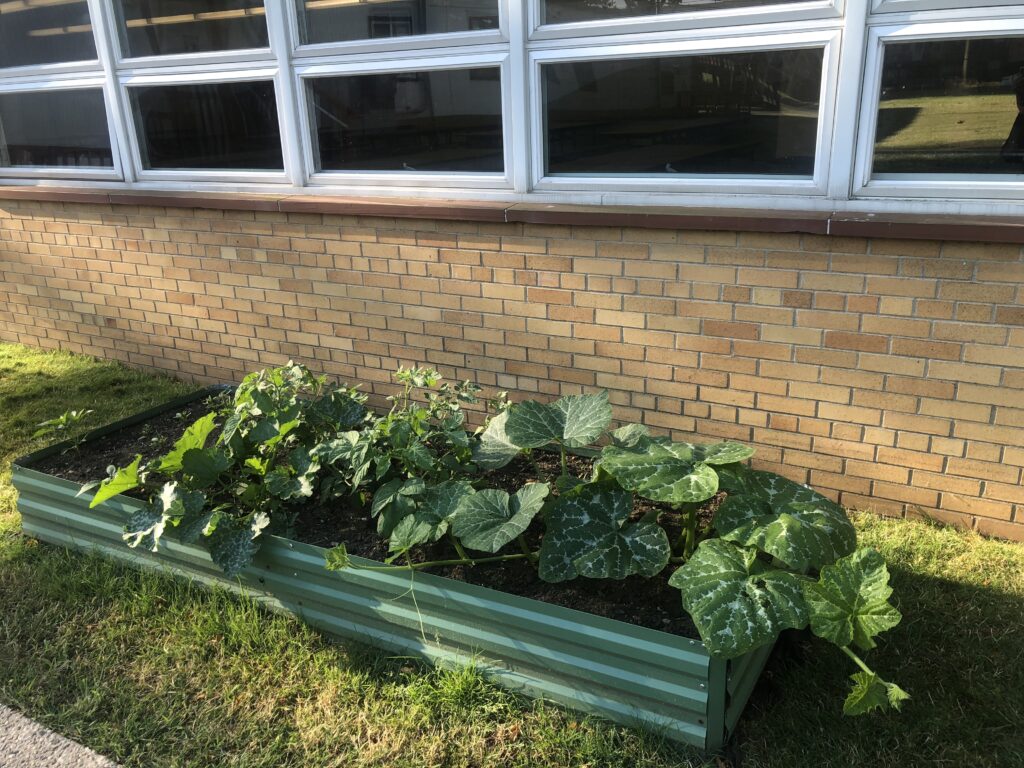
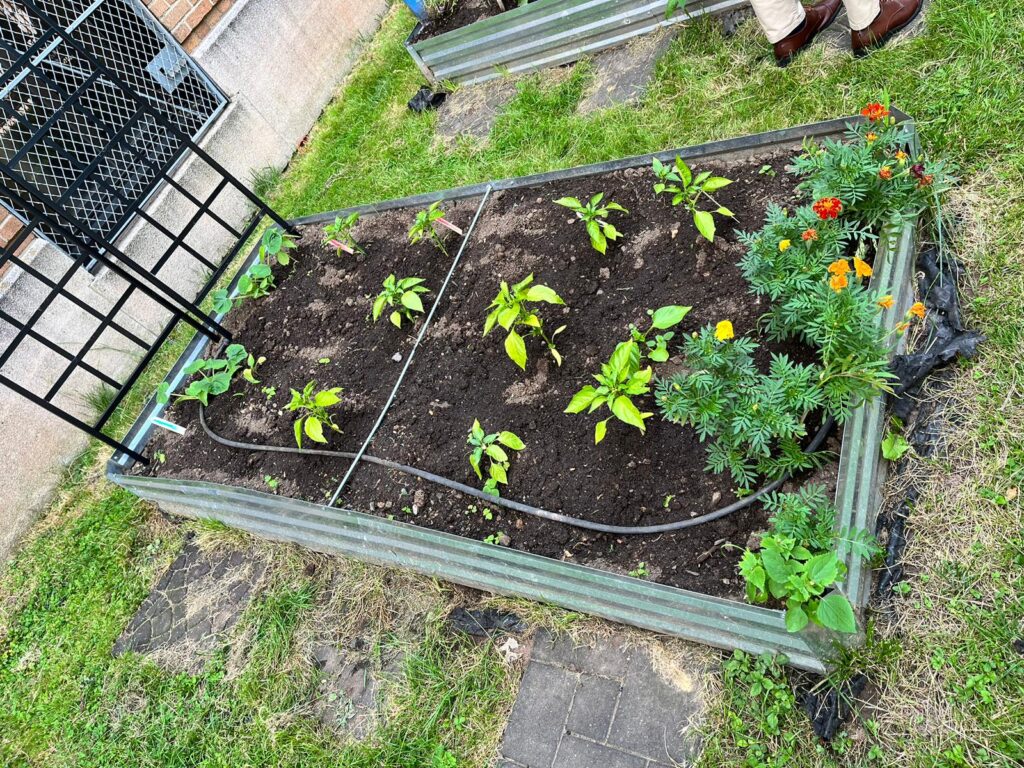
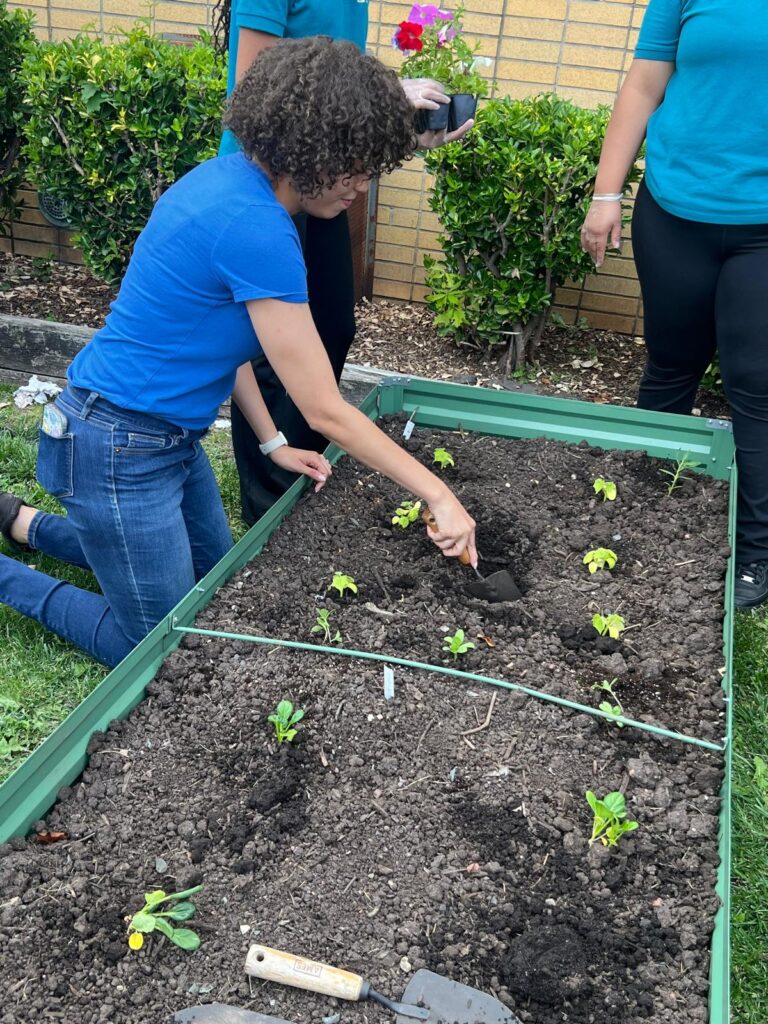
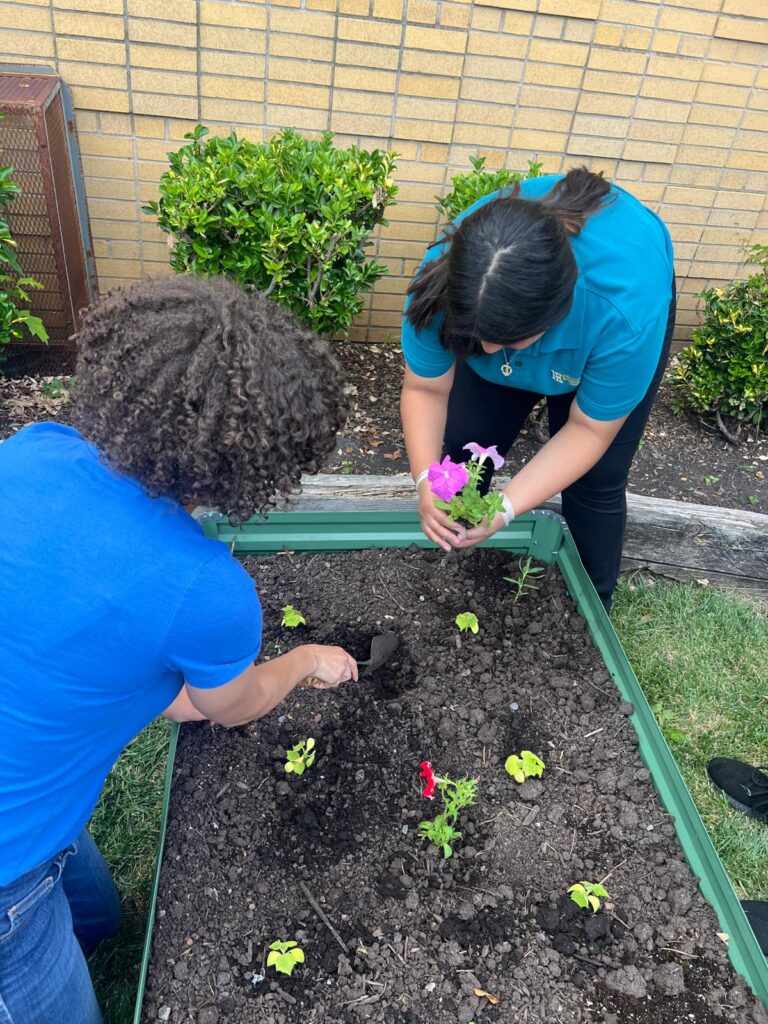
This year, School No. 14 welcomed two new raised bed gardens. Often, raised beds are more productive than beds in the ground because the soil is less compacted, has better drainage, and warms earlier in the spring. We can’t wait to see the growth of these gardens!

Dr. Martin Luther King Jr. School No. 52

Commissioner Lourdes Leon joined students and faculty from Dr. Martin Luther King Jr. School No. 52 on their multicultural day for another day of planting!

On today’s agenda…cucumbers!

What type of vitamins do cucumber supply humans with?

Just one cucumber contains Vitamin B1, Vitamin B2, Vitamin B3, Vitamin B5, Vitamin B6, Folic Acid, Vitamin C, Calcium, Iron, Magnesium, Phosphorus, Potassium and Zinc.

Battin Annex School No.4

Students from Battin Annex School No. 4 were joined by none other than Commissioner Lourdes Leon and Maria Carvalho to plant something very special… watermelon!

Go Battin Pups!

Trivia: When is National Watermelon Day 2023?

National Watermelon Day is August 3rd, 2023!

Fun Fact: Watermelon is 92% water.

JVJ STEM Academy

Students and faculty from JVJ Stem Academy were joined by Chairman Granados to kick off their summer planting season!

Since the opening of JVJ STEM Academy in 2022, the faculty and students have participated in our Plant a Seed Kids Dig In Program. One of eight Elizabeth High schools, JVJ Stem Academy specializes in preparing students for successful entry into STEM-related postsecondary studies and career paths.

Fun Fact: JVJ STEM Academy is among 30 schools across the U.S., and the only school from the Northeast Region, to be recognized as a 2022-2023 US Microsoft Incubator School!

Dr. Antonia Pantoja School No.27

Chairman Granados and students from Dr. Antonia Pantoja School No.27 have planted their very own cucamelons!

Cucamelons are native to Mexico and are part of the cucumber family. They even taste like a sour cucumber with a dash of lime. Due to the fact that they look like mini watermelons, they are called sandiita in Mexico and Central America.
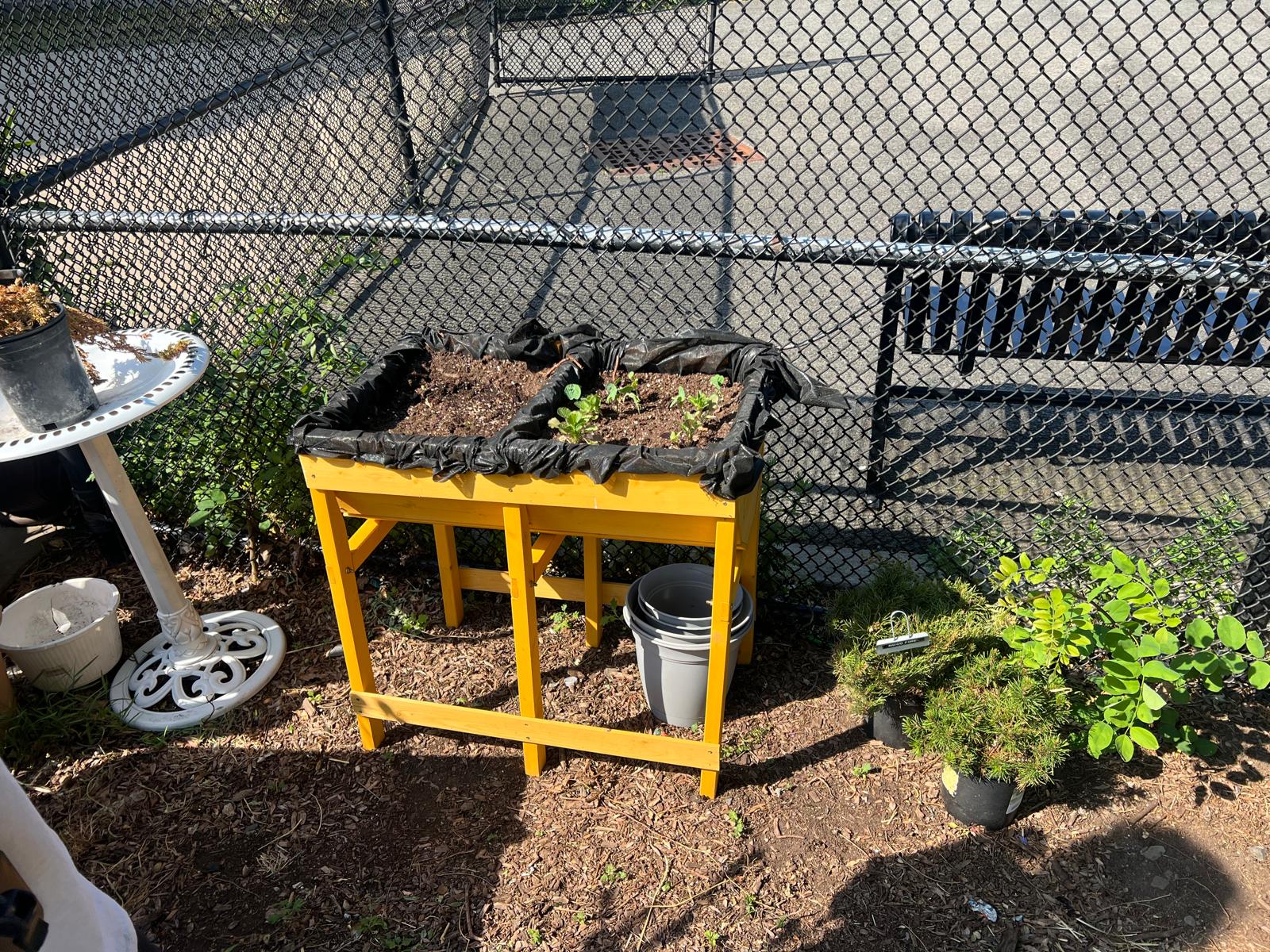
Fun Fact: Cucamelons are known by different names. Some of these aliases are creeping cucumber, Guadeloupe cucumber, Mexican miniature watermelon, Mexican sour cucumber, Mexican sour gherkin, mouse melon, and pepquinos.

Woodrow Wilson School No.19

Jackie from Groundwork Elizabeth has joined students from Woodrow Wilson School No.19 on their Multicultural Day for another day of planting!

You may ask yourself; what did the students plant? More milkweed! We can’t wait to see monarch butterflies all around Union County!

Milkweed Tip:

For harmful insects, spray insects off the milkweed plant using water. If insect population is high spray the plant with 100 liquid dish soap mixed with water, wait a few minutes and then rinse with fresh water. Do not use pesticides as this will hurt butterflies who try to feed and nest on the plants

Madison Monroe School No.16

Madison Monroe School No.16 students and faculty have welcomed a variety of different plants to their school!

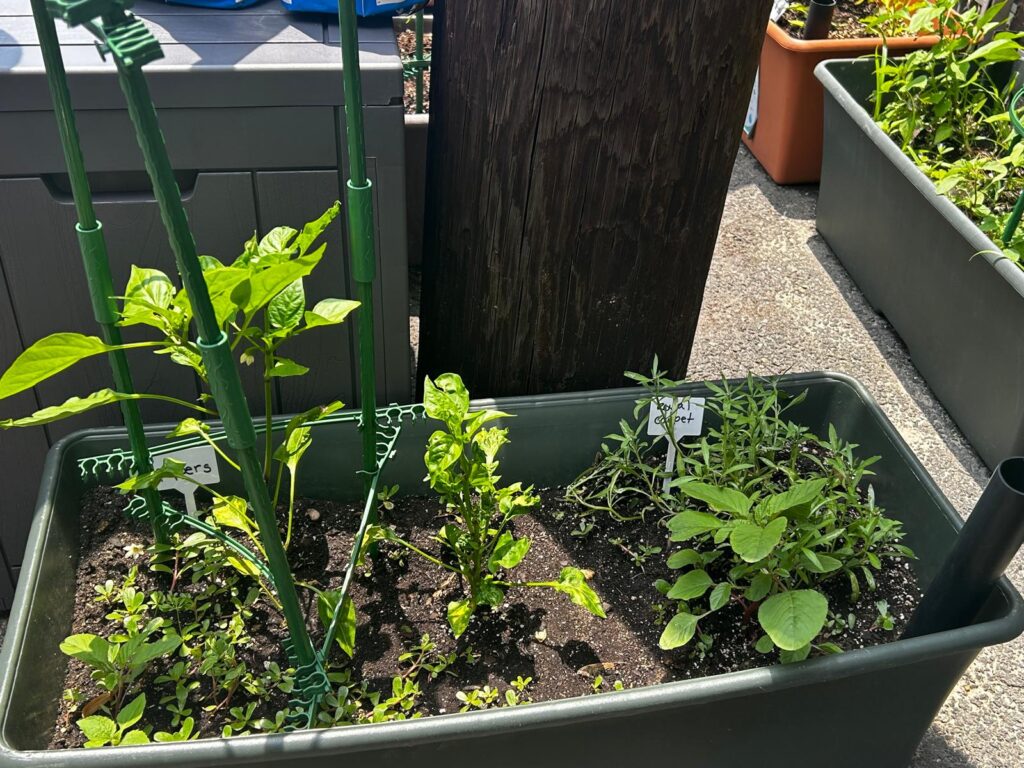
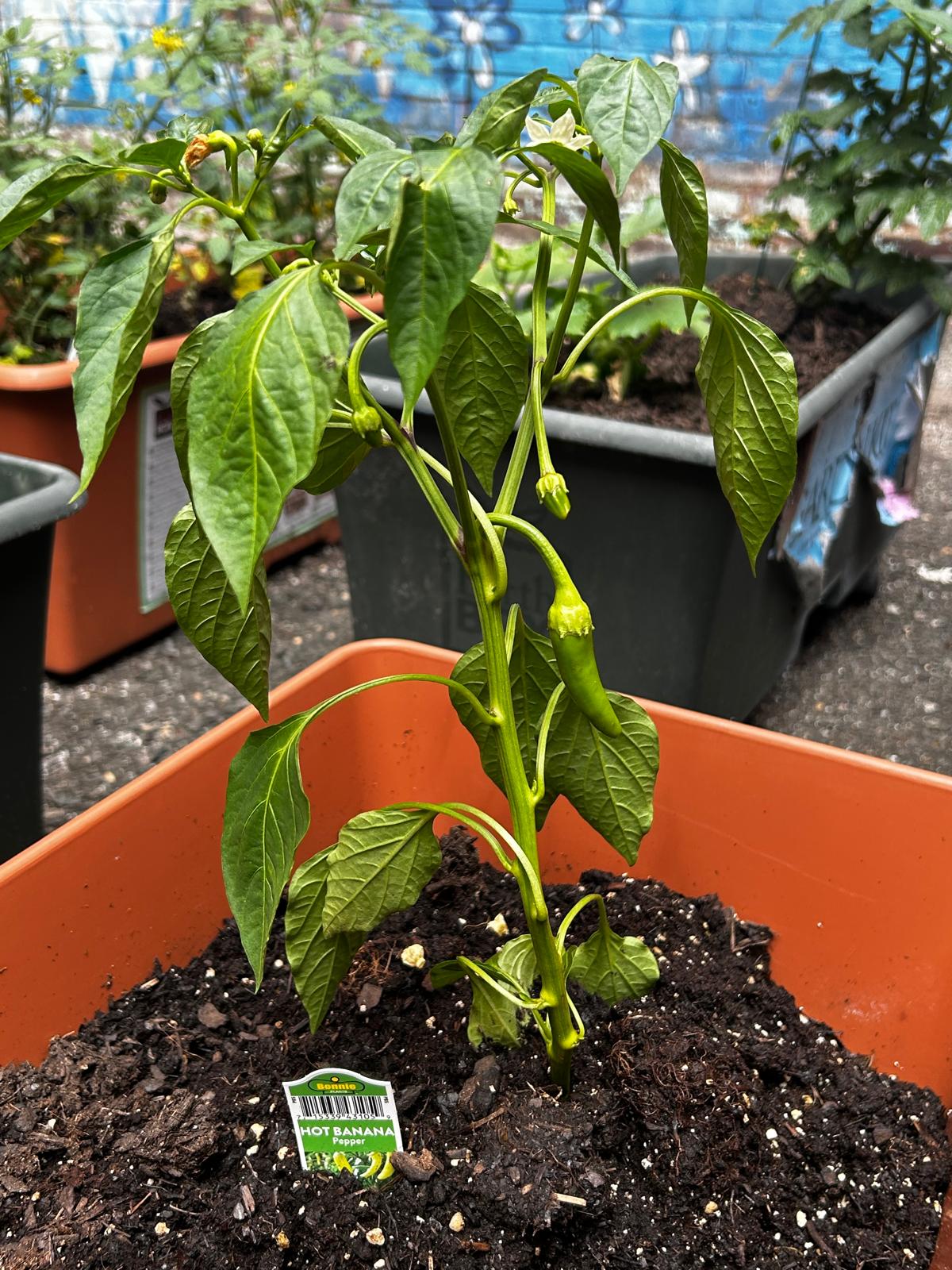
Reminder: Earth boxes only need watering through the tube when reservoir is dry. However, watering varies greatly. For instance, a full grown tomato plant needs watering once a day. Young starter plants can be watered every 1-2 weeks.