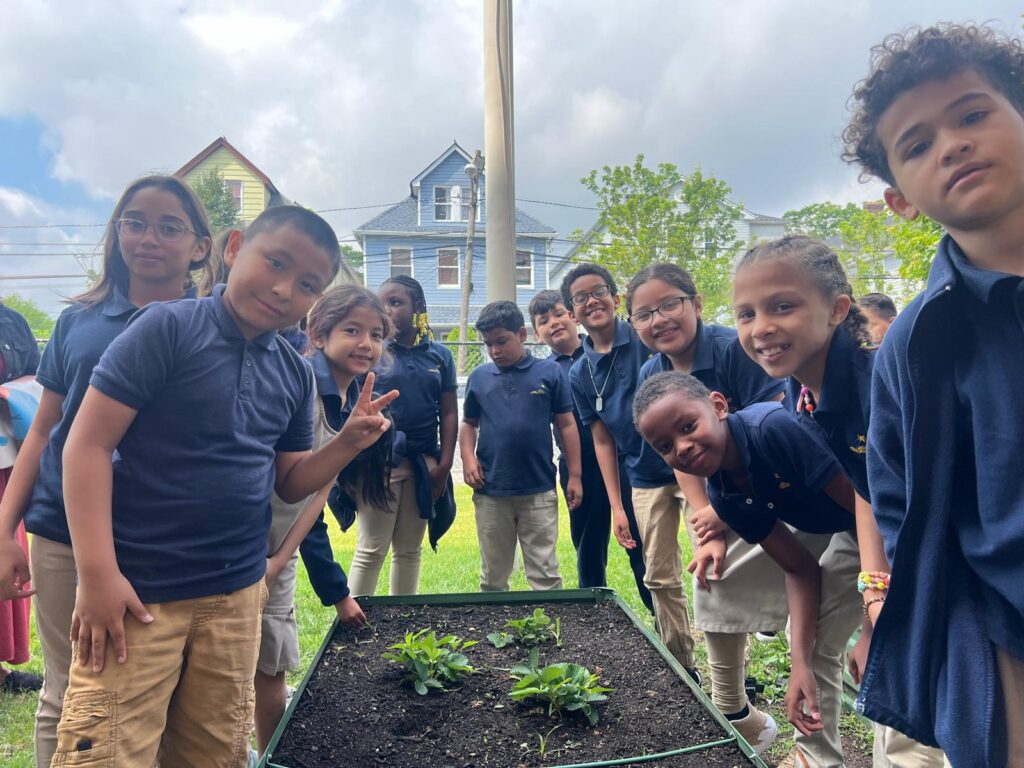
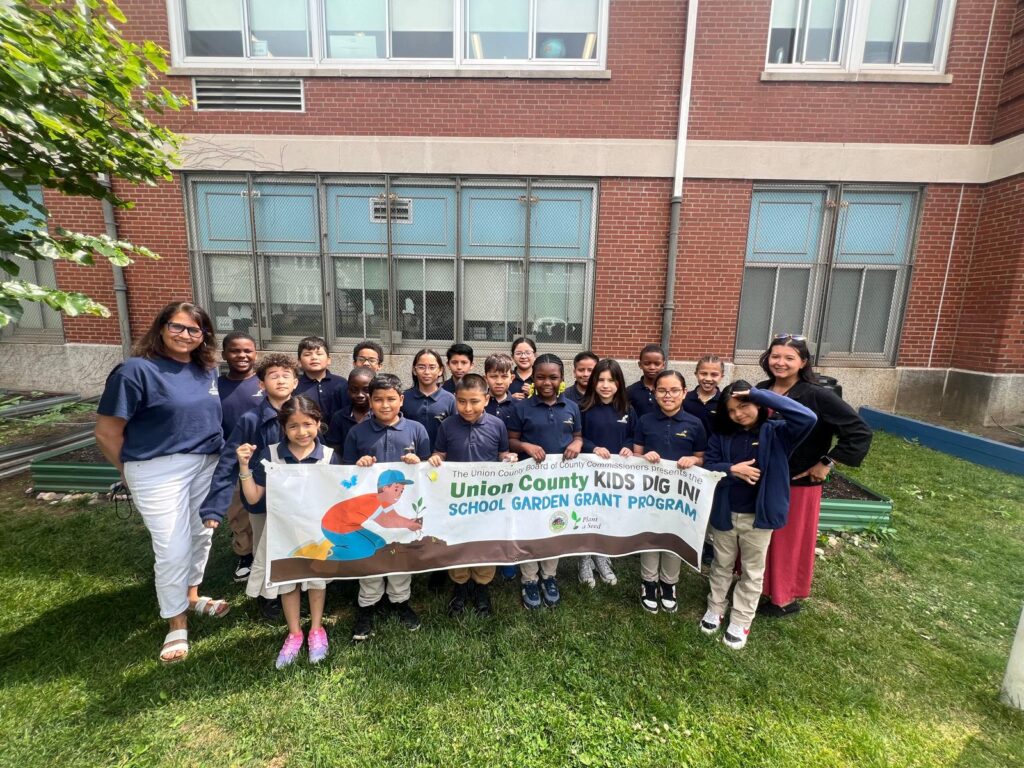
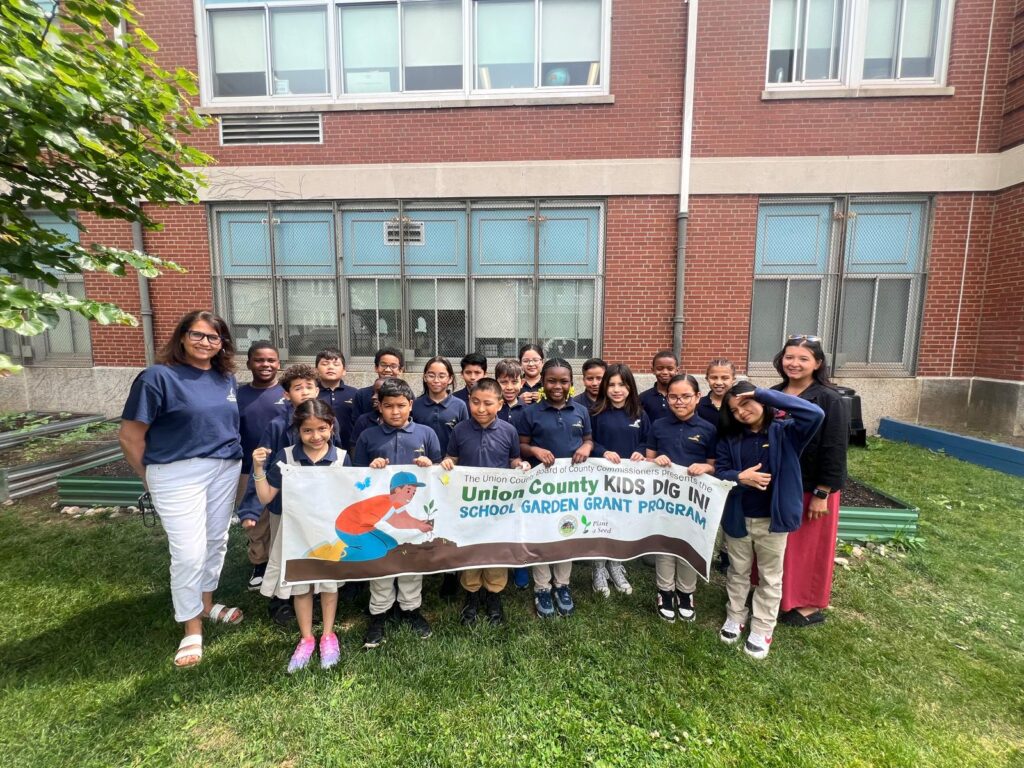
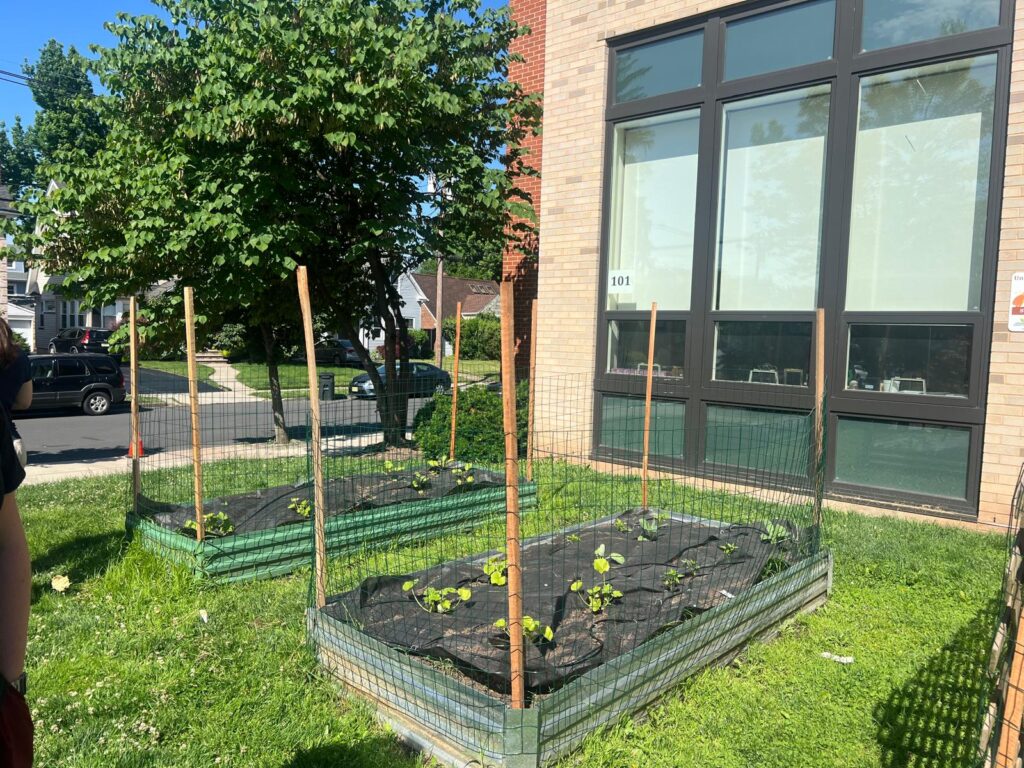
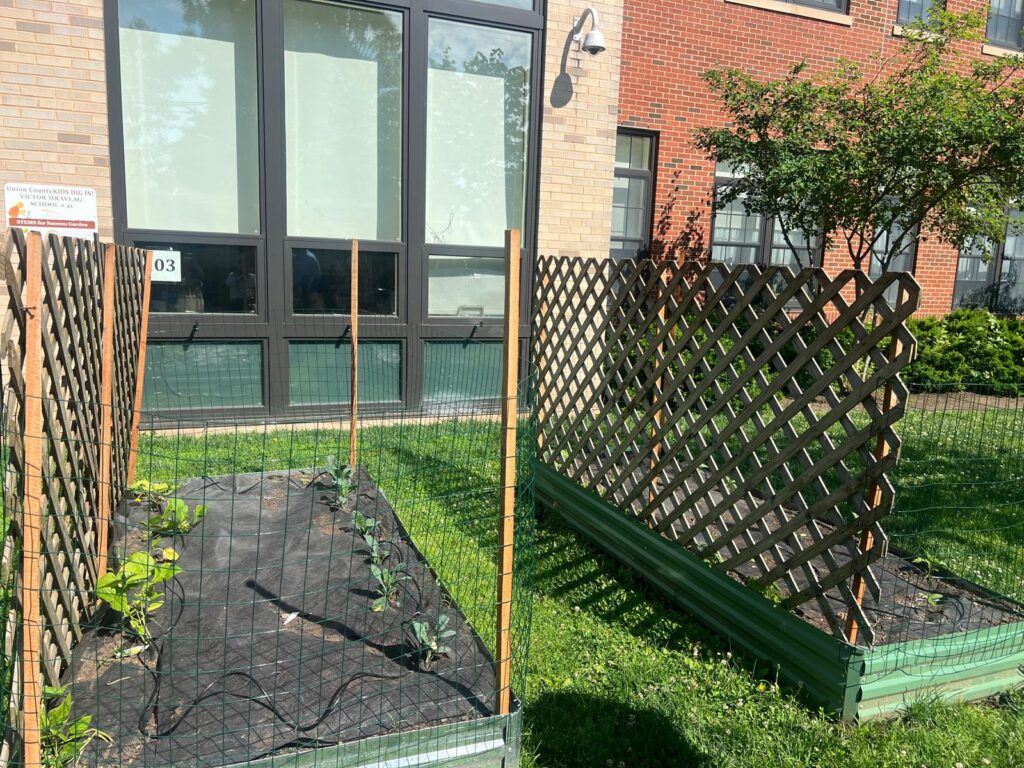
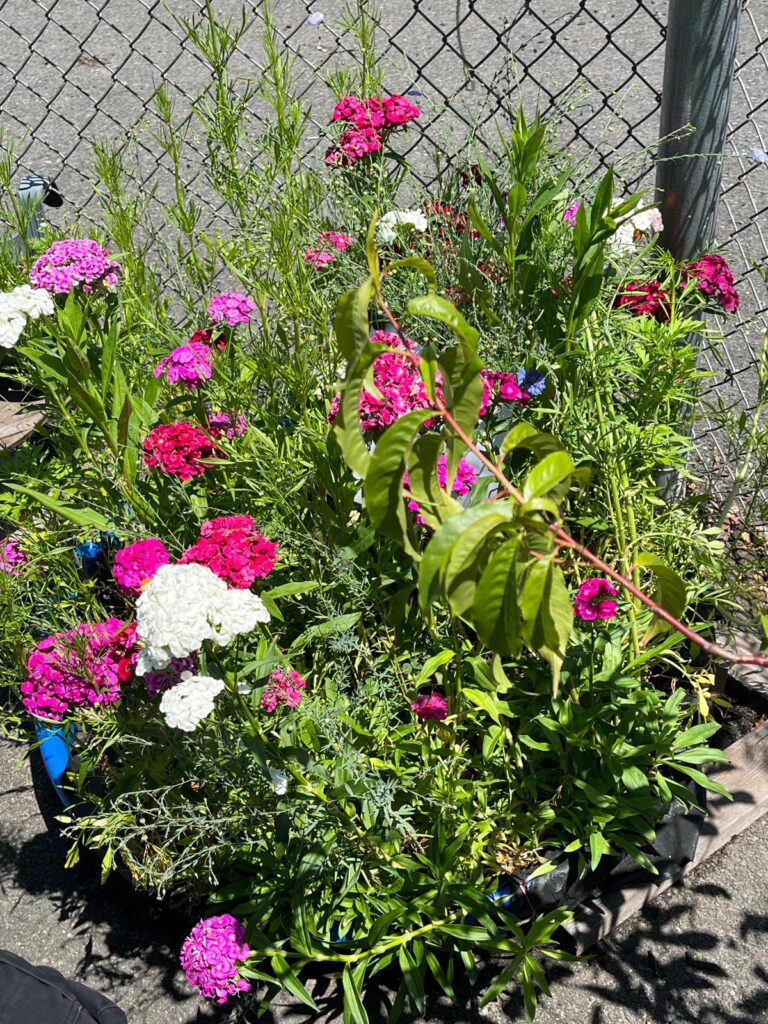
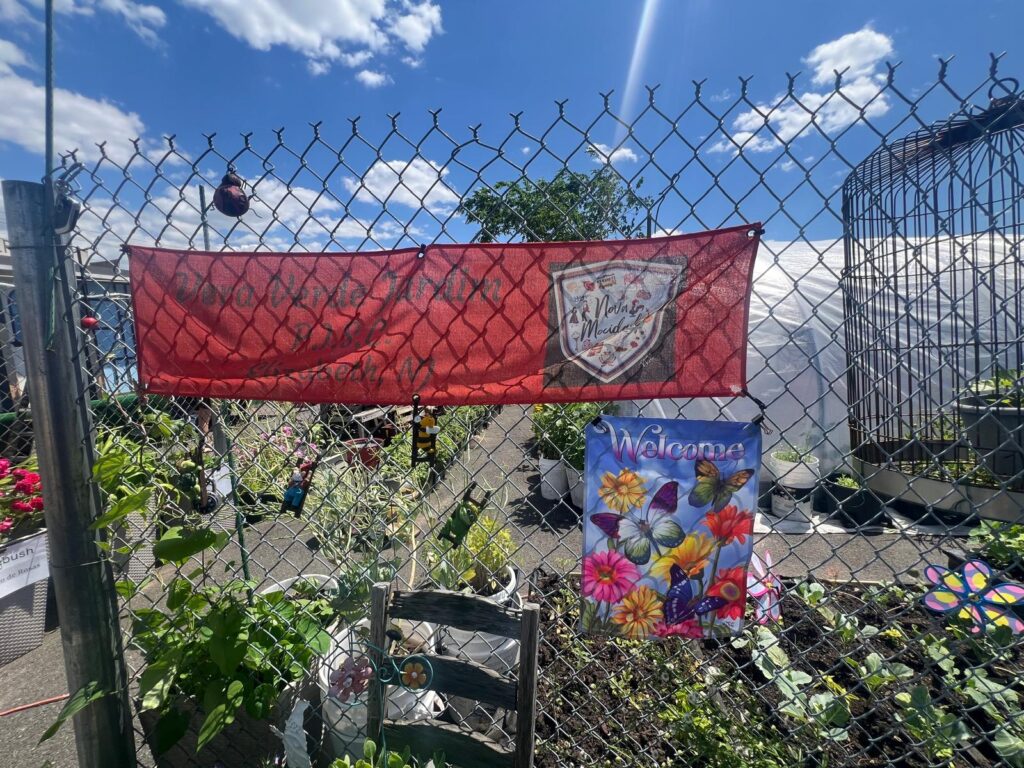
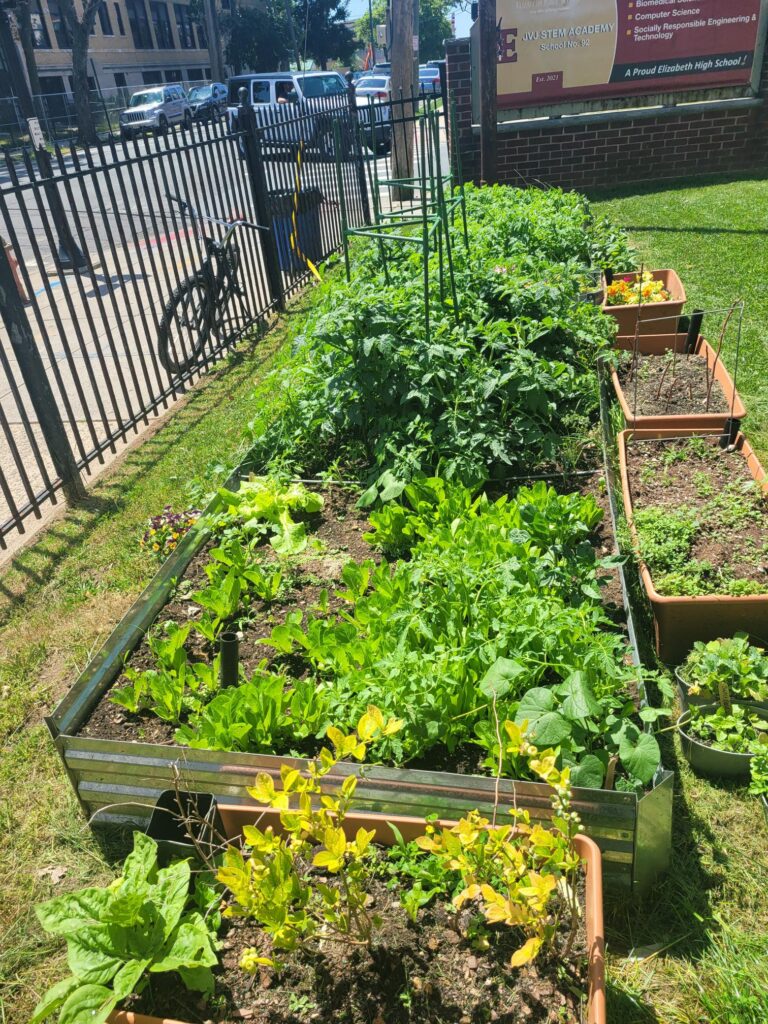
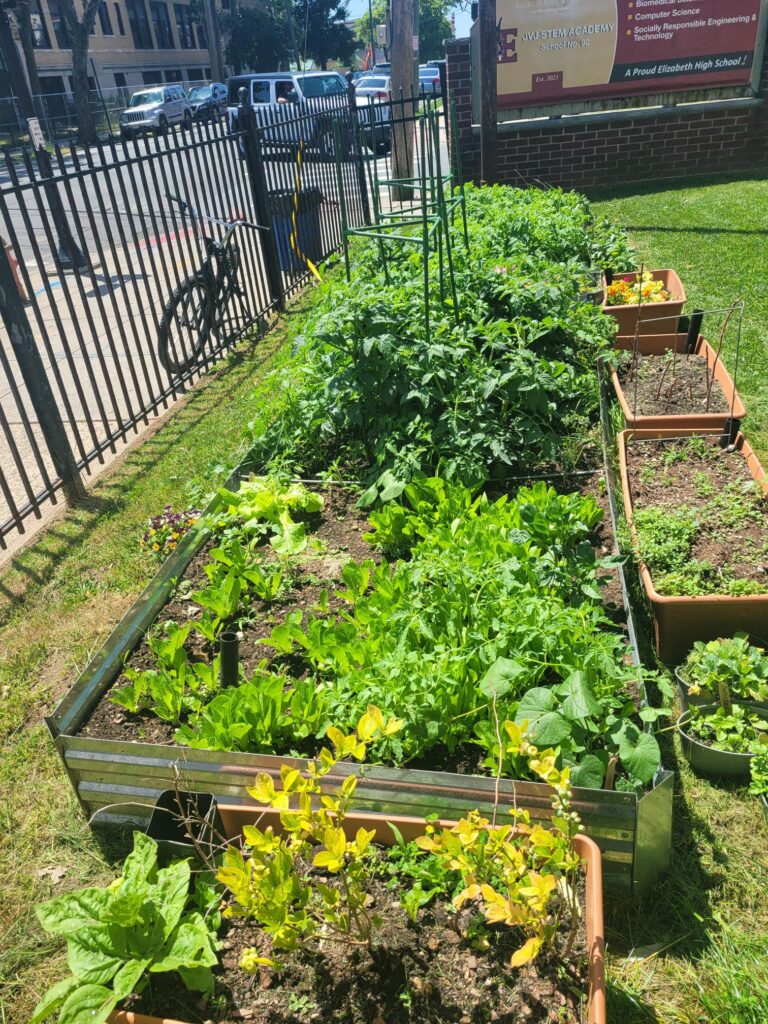
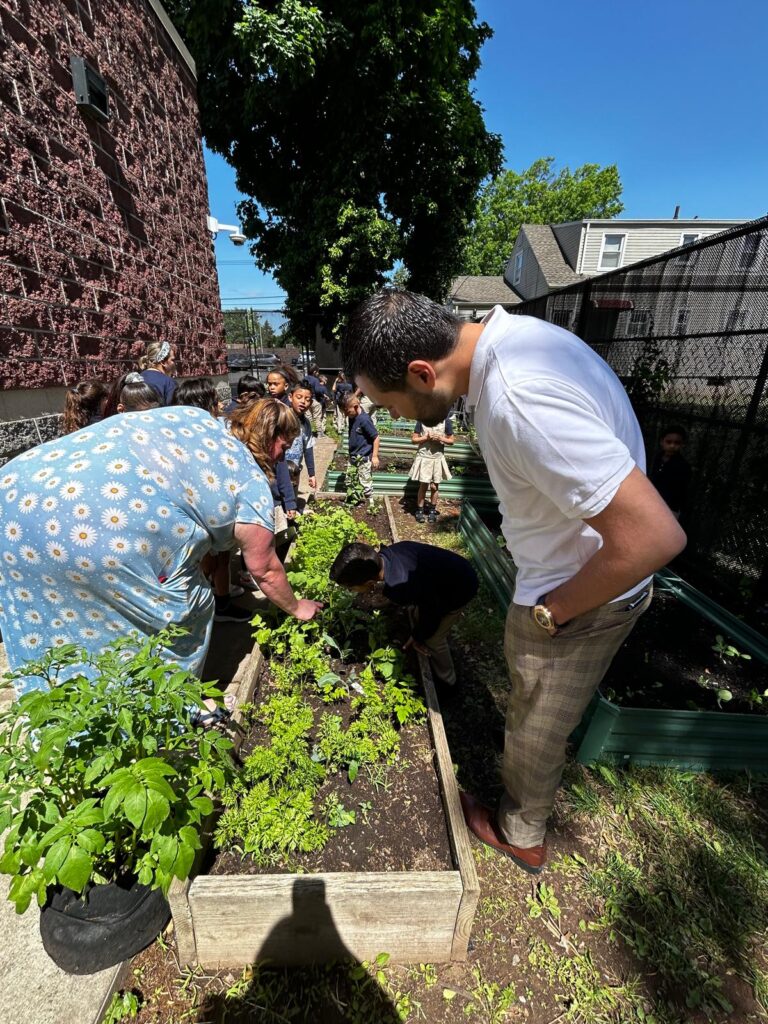
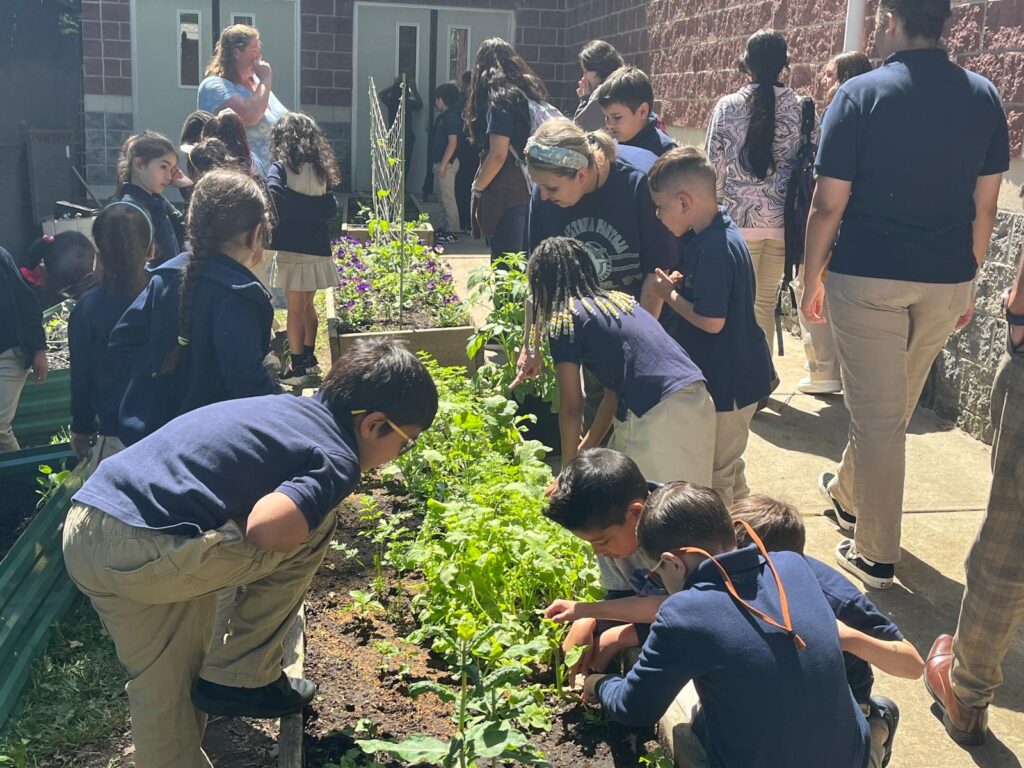
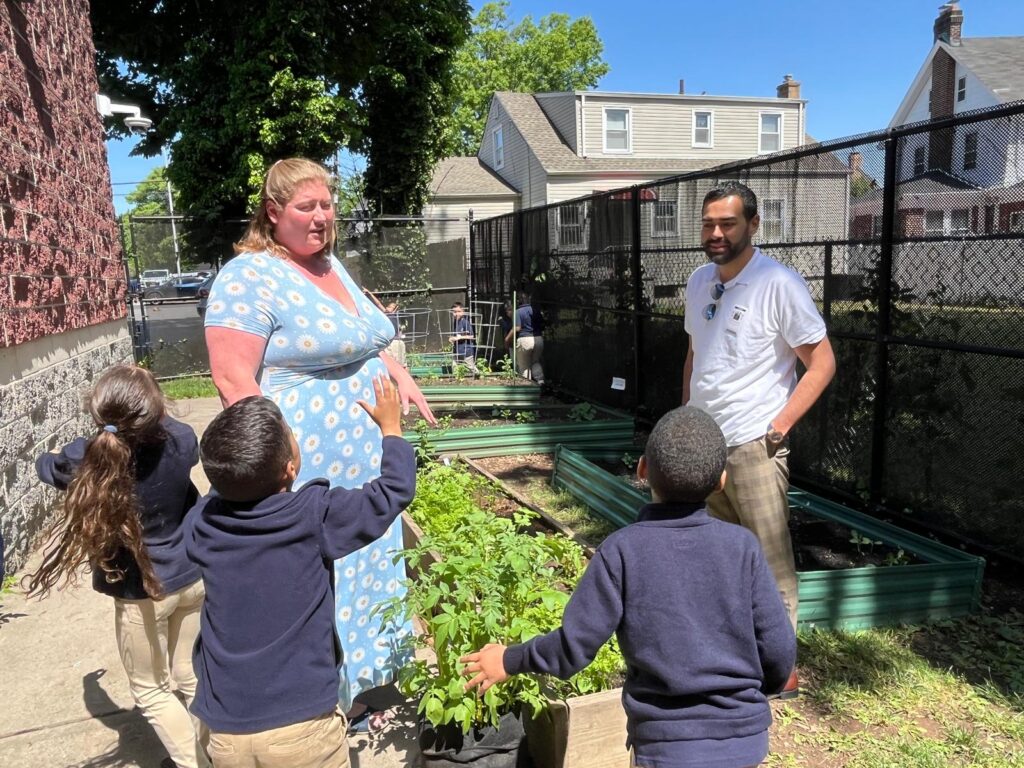
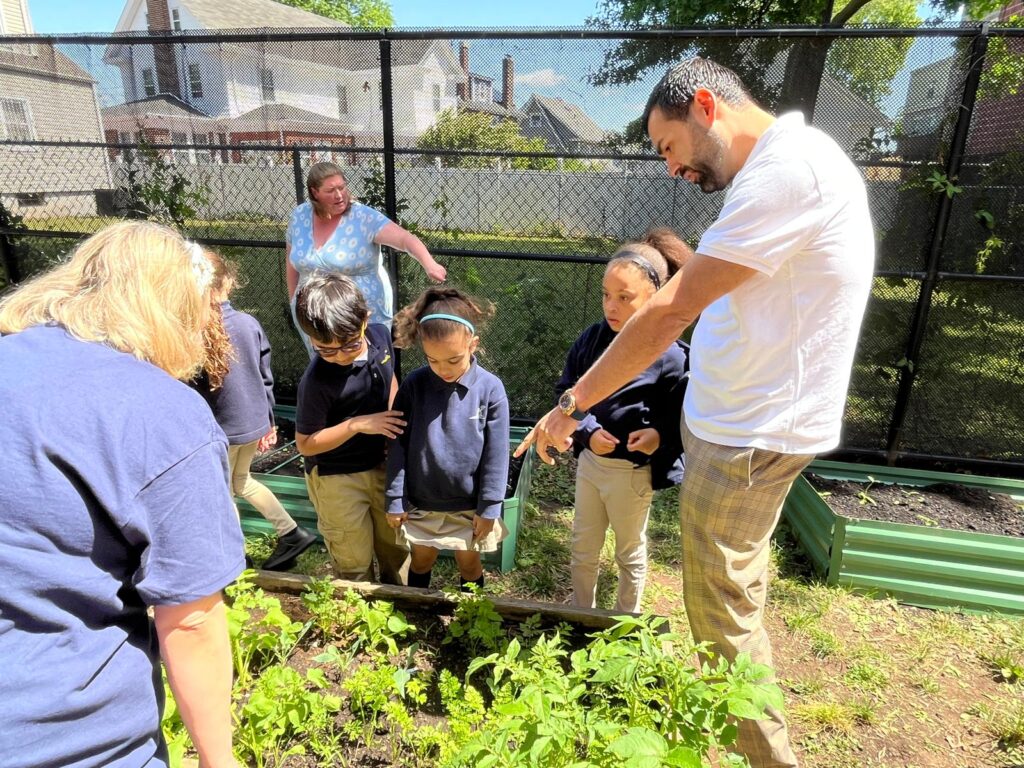
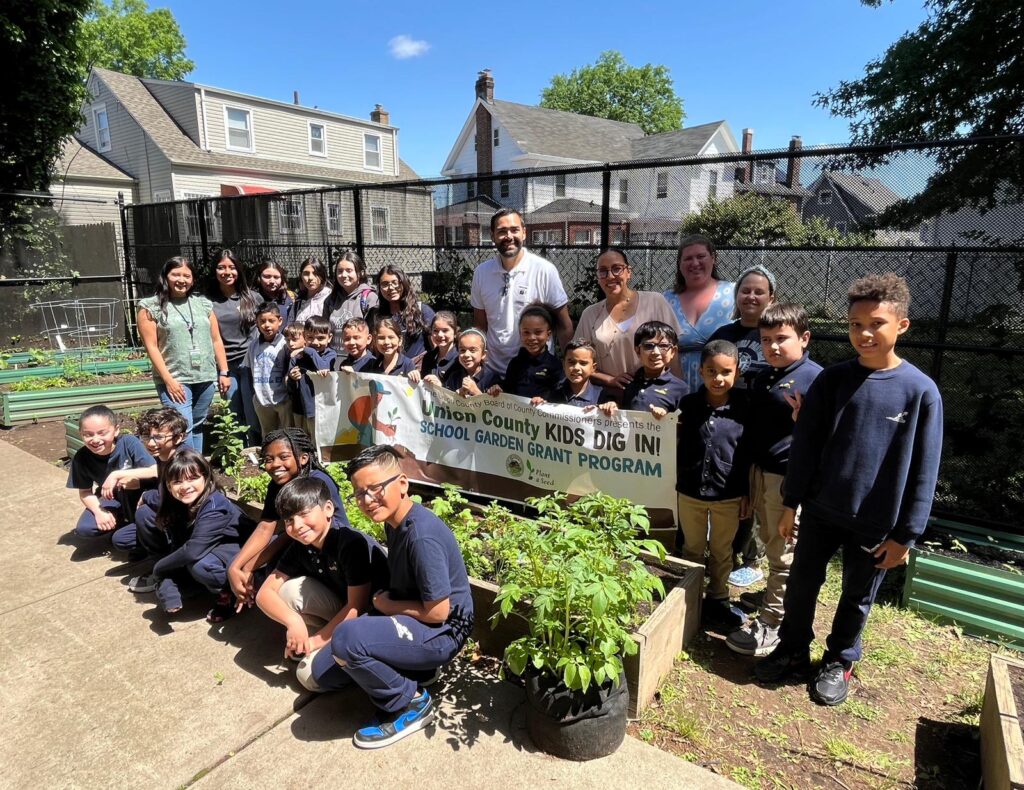
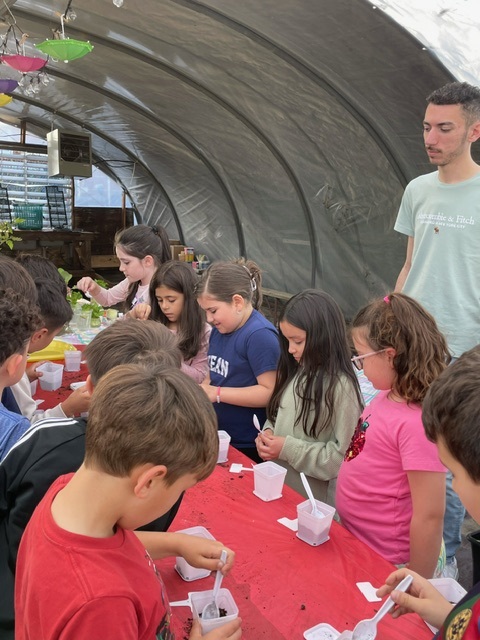
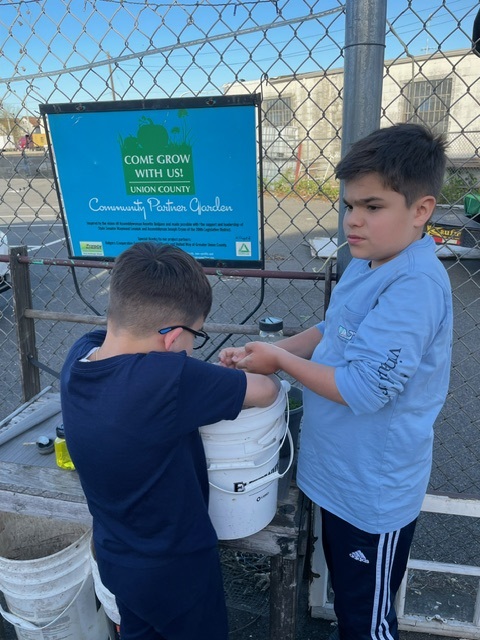
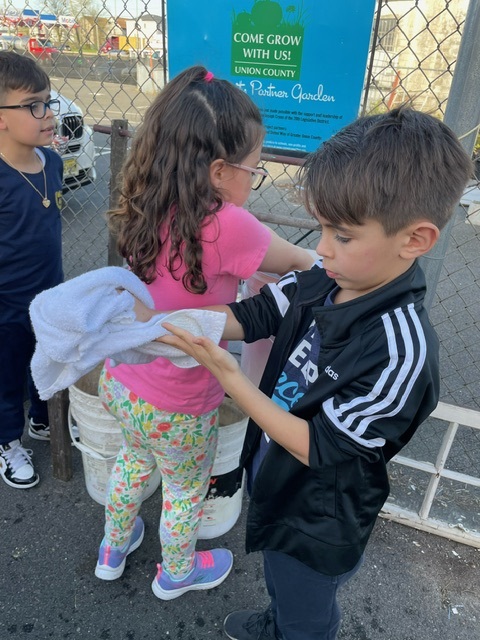
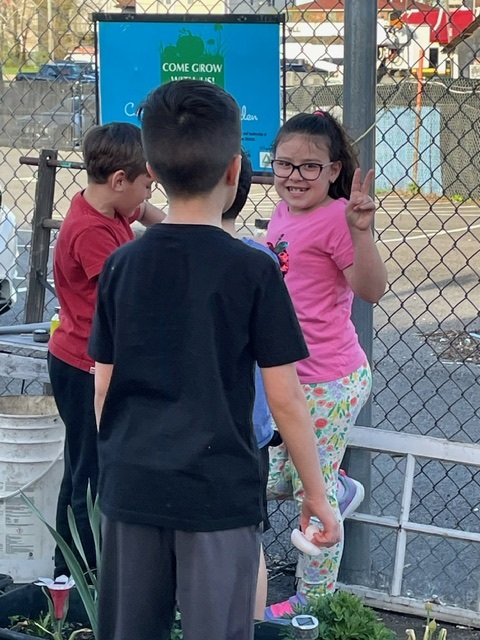
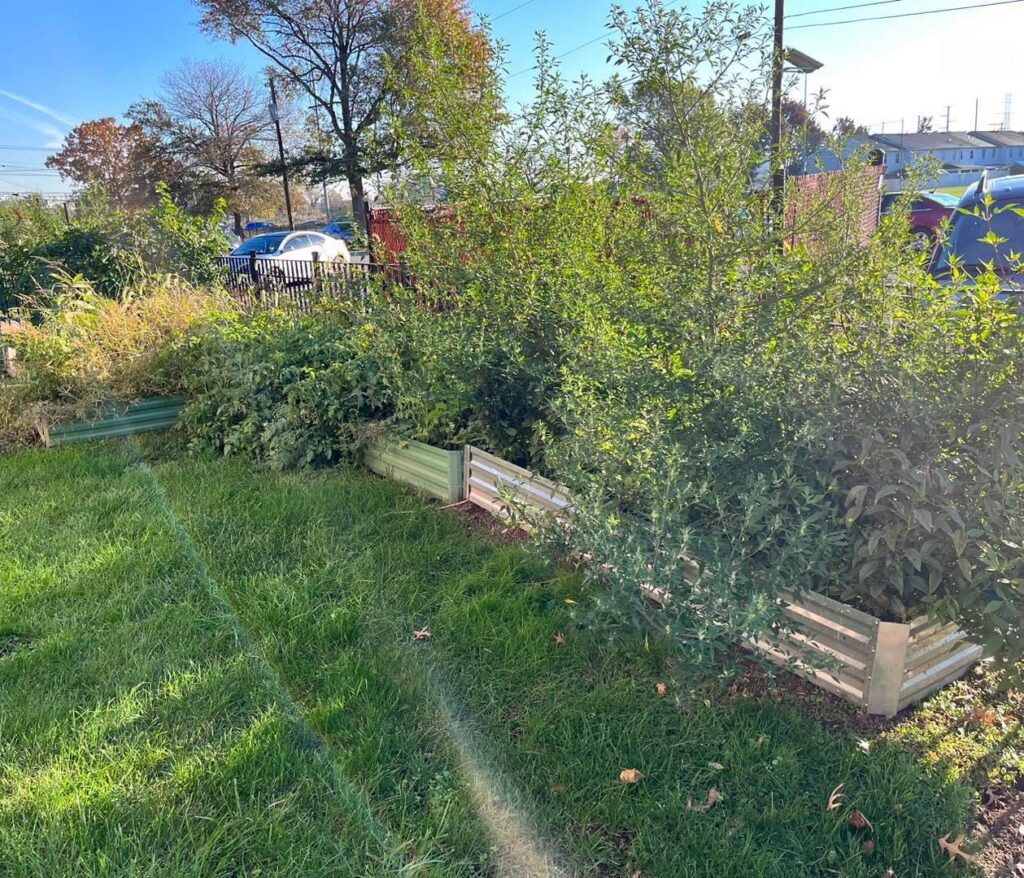
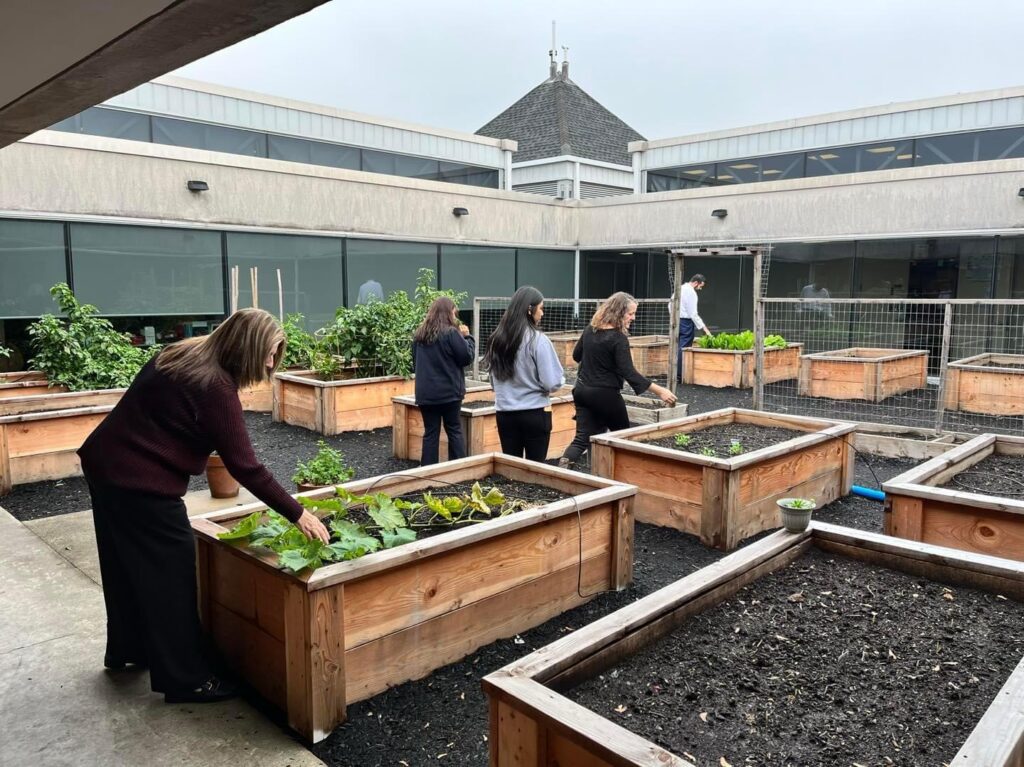
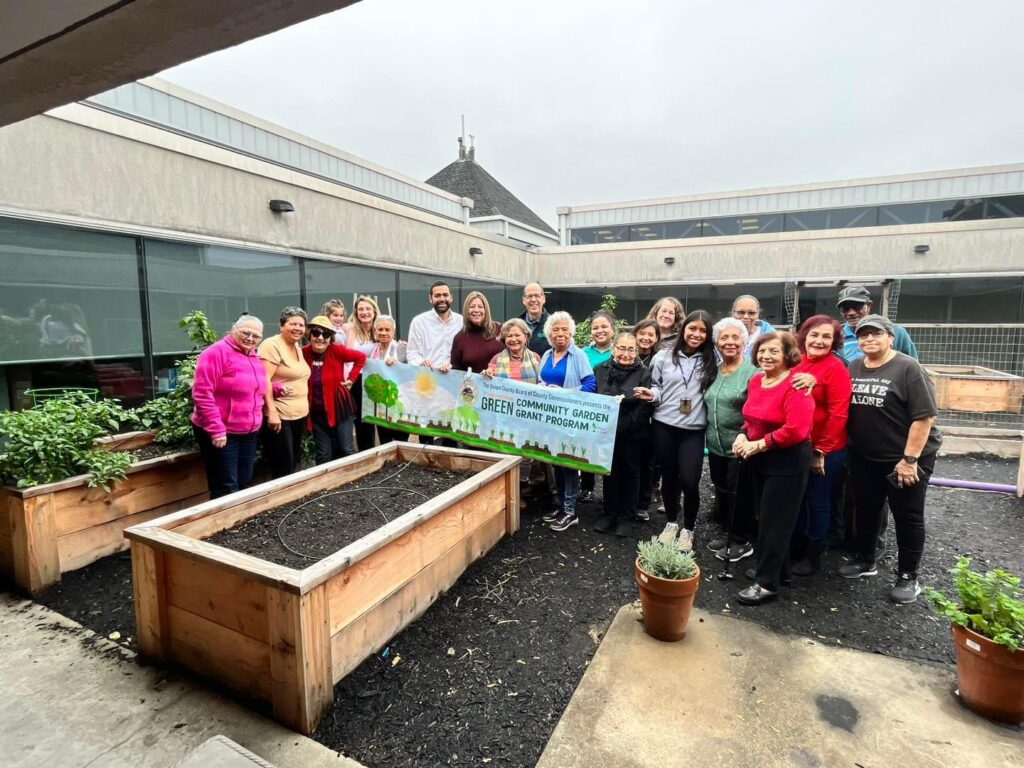
Today we visited and toured none other than Victor Mravlag School No.21’s garden!
Students and staff of School No. 21 in Elizabeth were also recipients of the compost bin raffle earlier this year. Did you know that composting improves soil, reduces chemical fertilizer use, and keeps moisture in the ground? Compost also plays a crucial role in reducing methane emissions from landfills!
Thank you to the staff and students for keeping this garden looking beautiful!
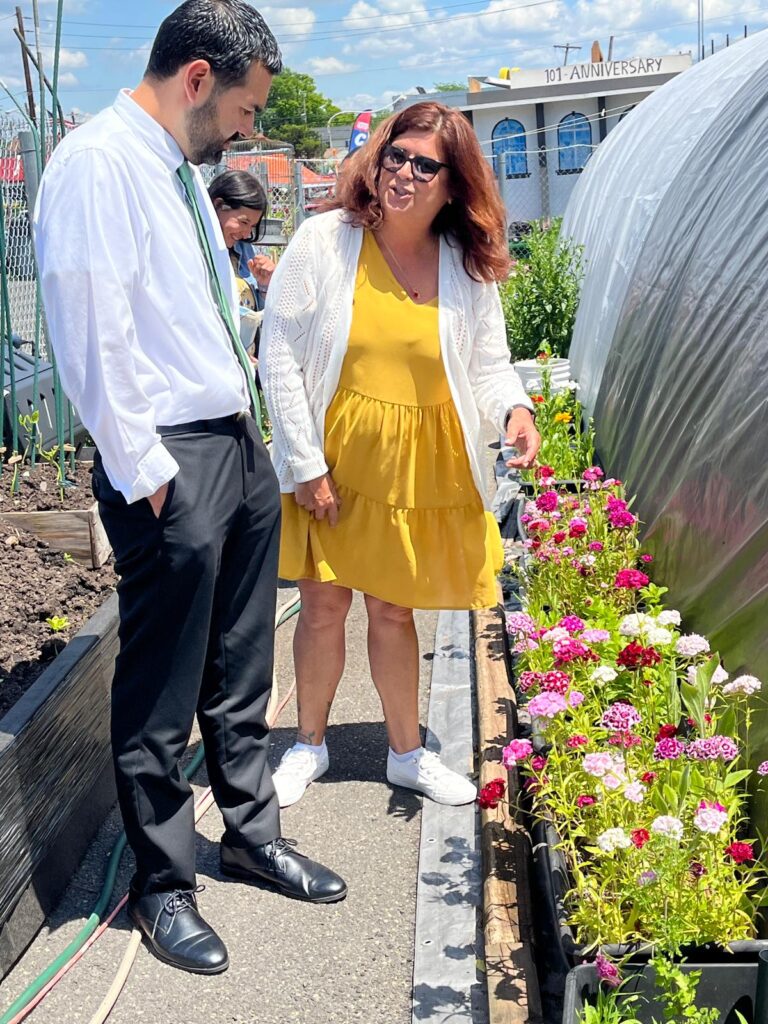
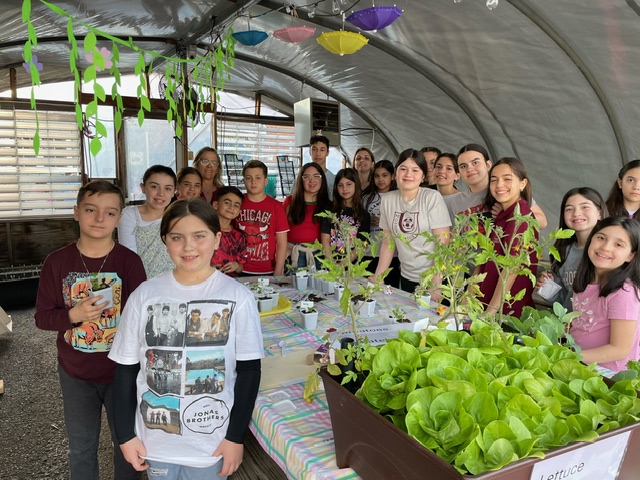
Union County Commissioner Sergio Granados attended the Union County Kids Dig In Garden Tour in celebration of Portugal’s Independence Celebration at the Portuguese Instructive Social Club in Elizabeth.
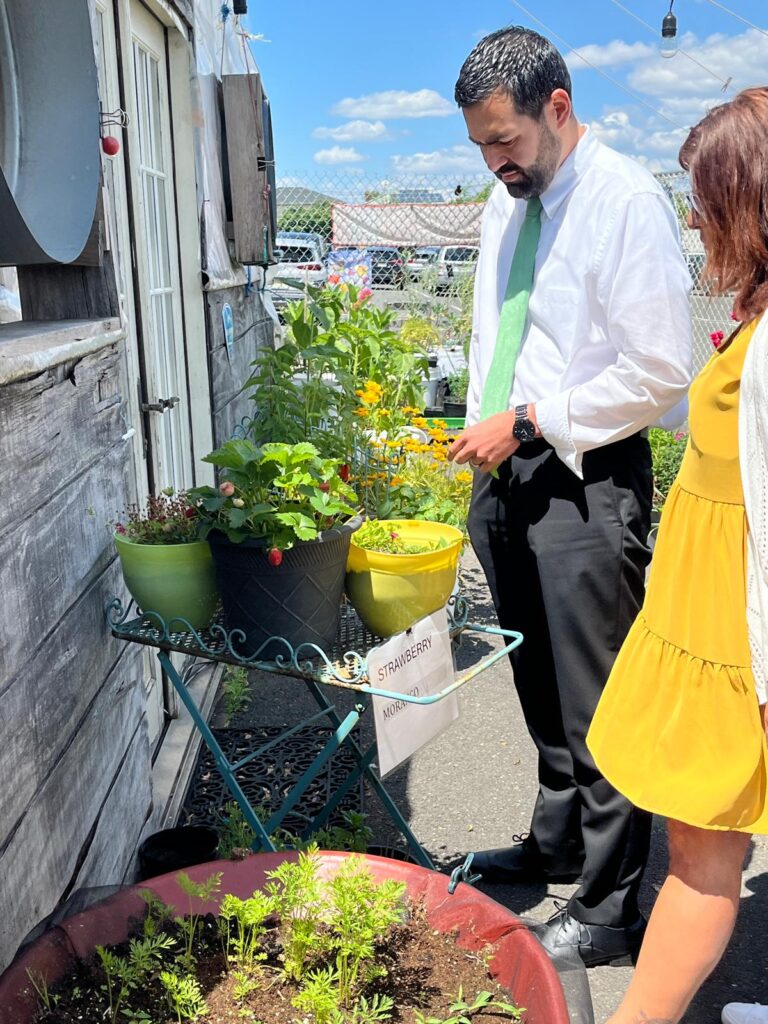
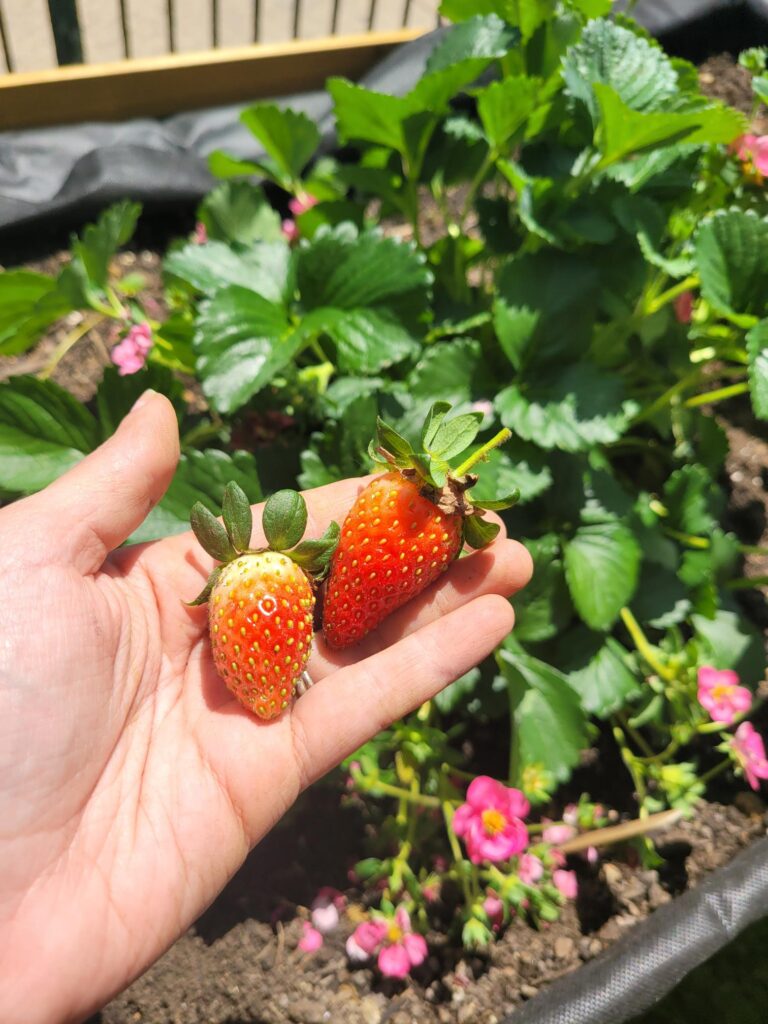
Did you know that this garden is one of the few growing strawberries?
In fact, strawberries are the only fruit with seeds on the outside and the average strawberry has around 200 seeds!
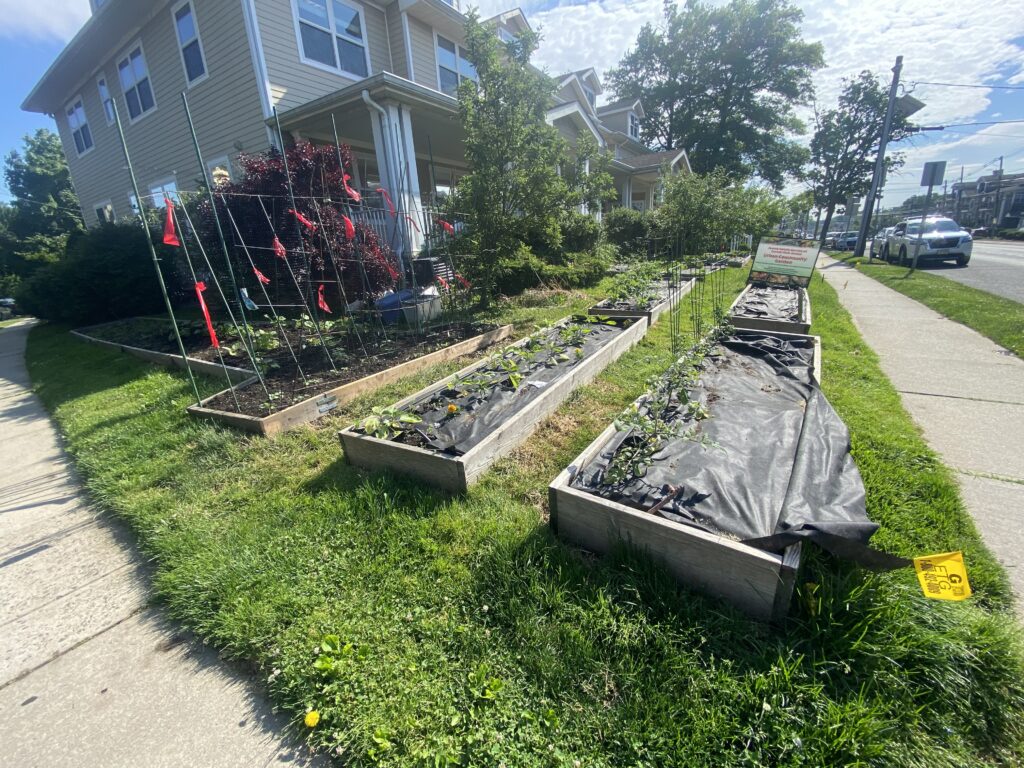
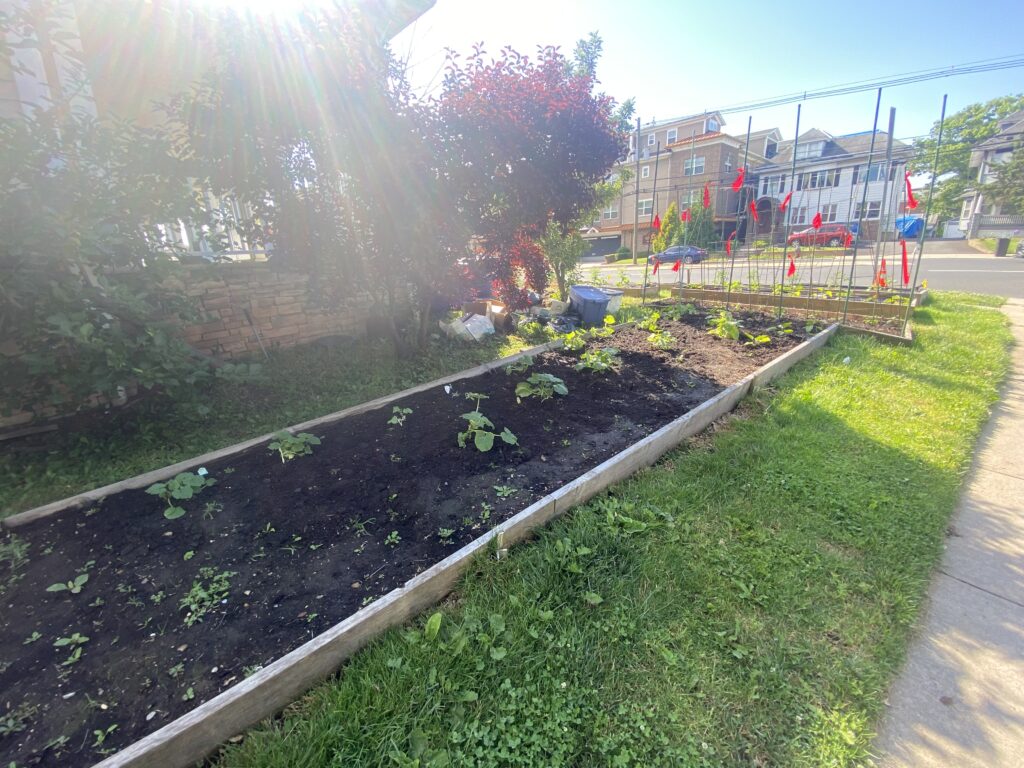
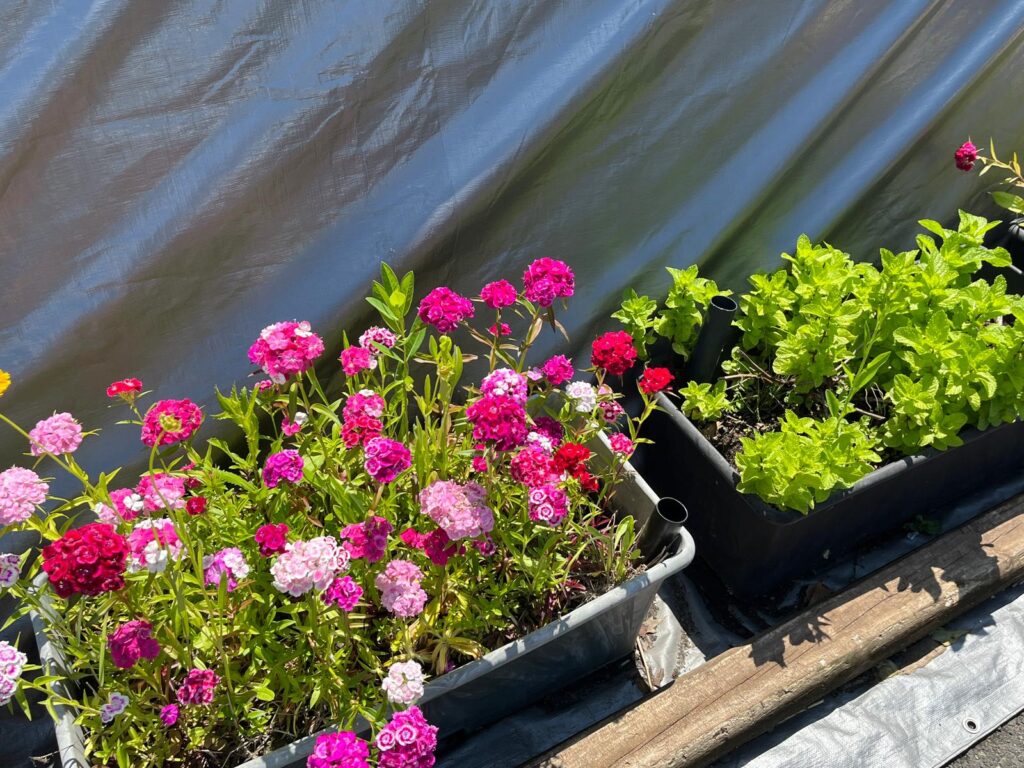
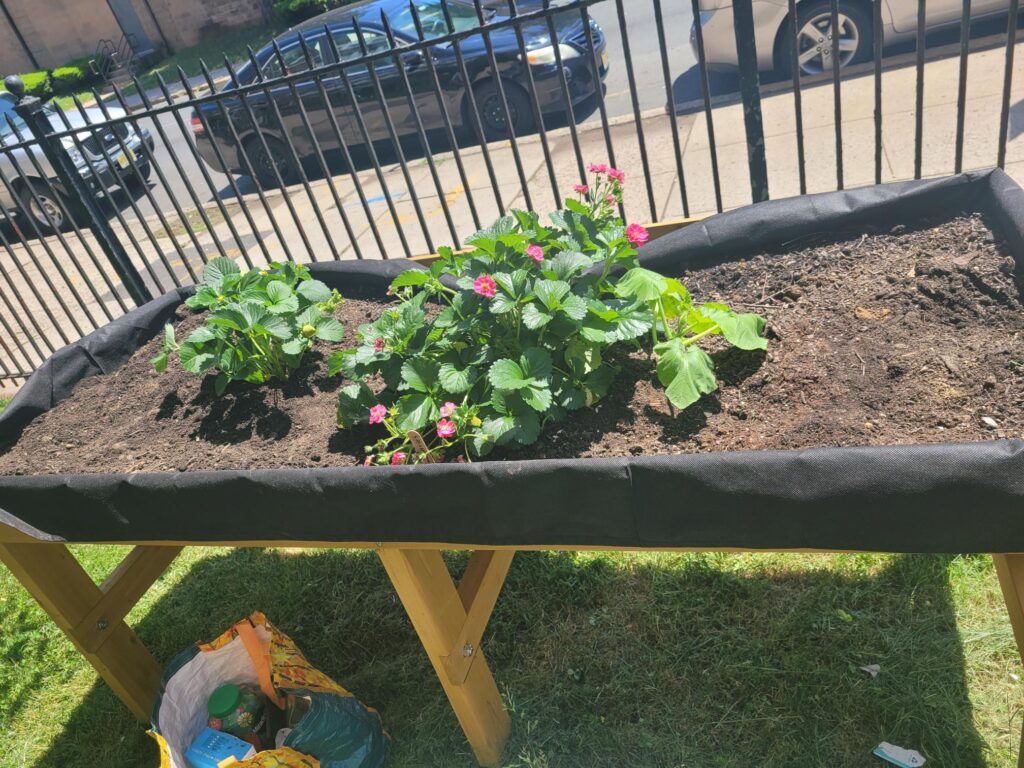
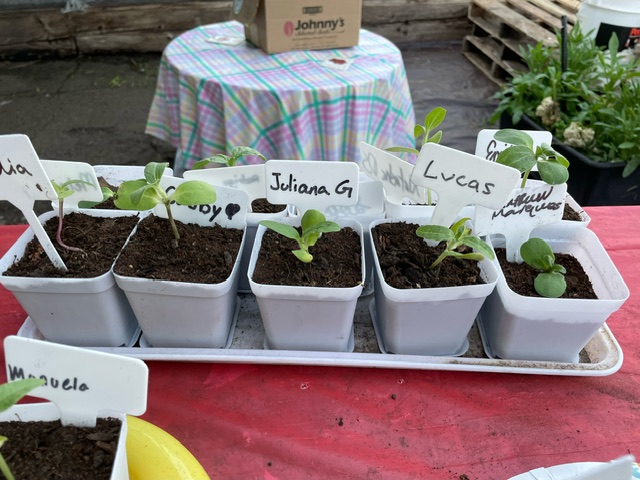
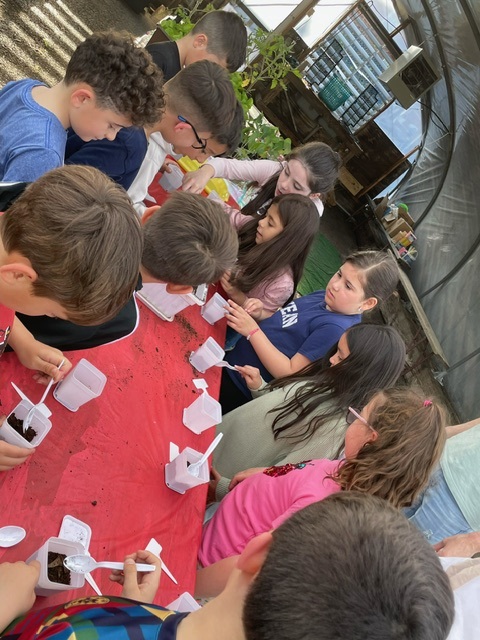
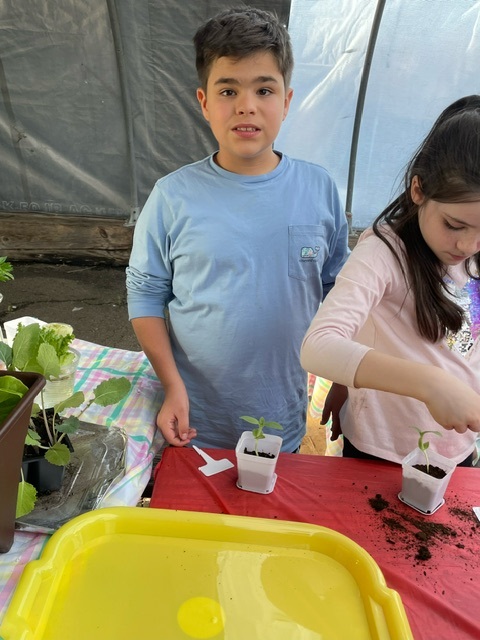
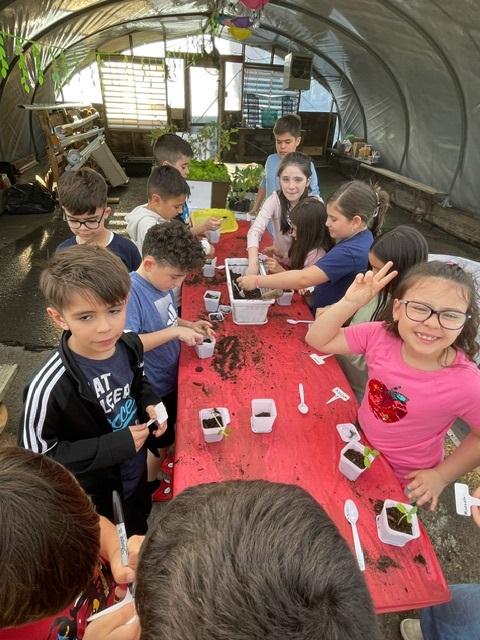
Students grew strawberries in starter pots prior to the installation of raised beds. After the raised beds were installed, we added soil and replanted the strawberries. Other images show the progress of tomatoes, garlic, lettuce, peppers, cucumber, fig tree starters, and herbs such as basil, cilantro, and parsley in other beds. Students learned in groups about starting seeds, the growth process, transportation, maintenance, growth time, planting time, and harvesting crops for consumption.
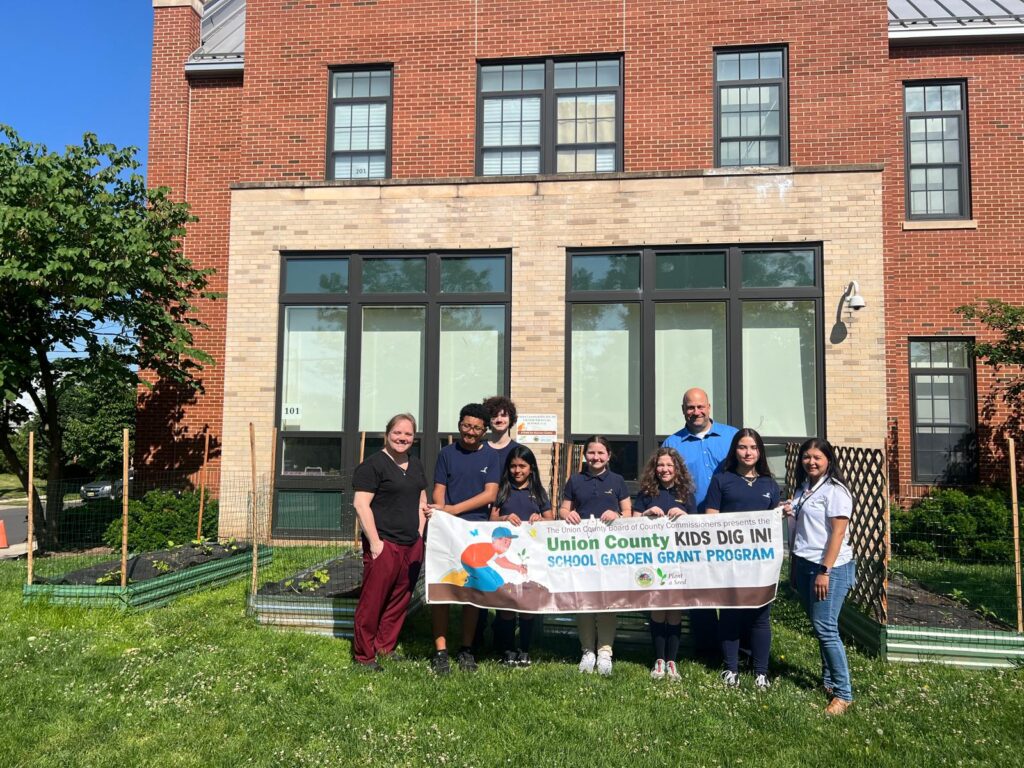
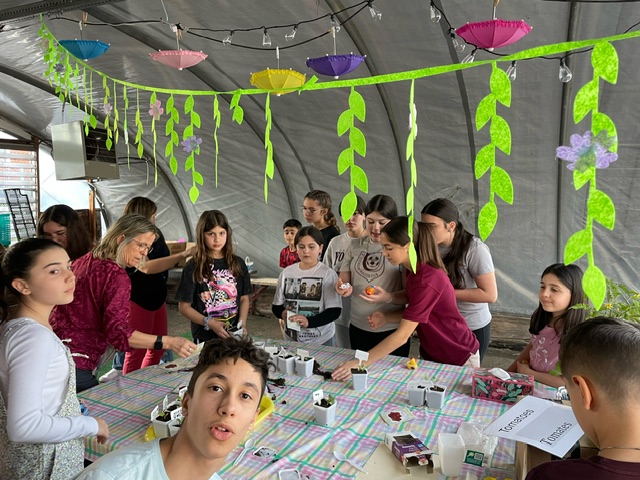
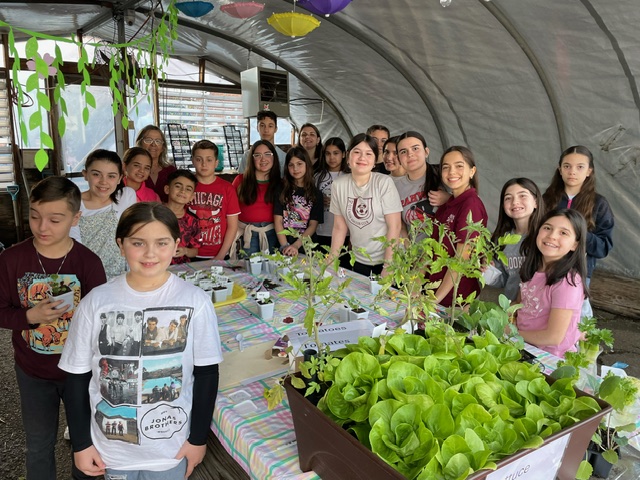
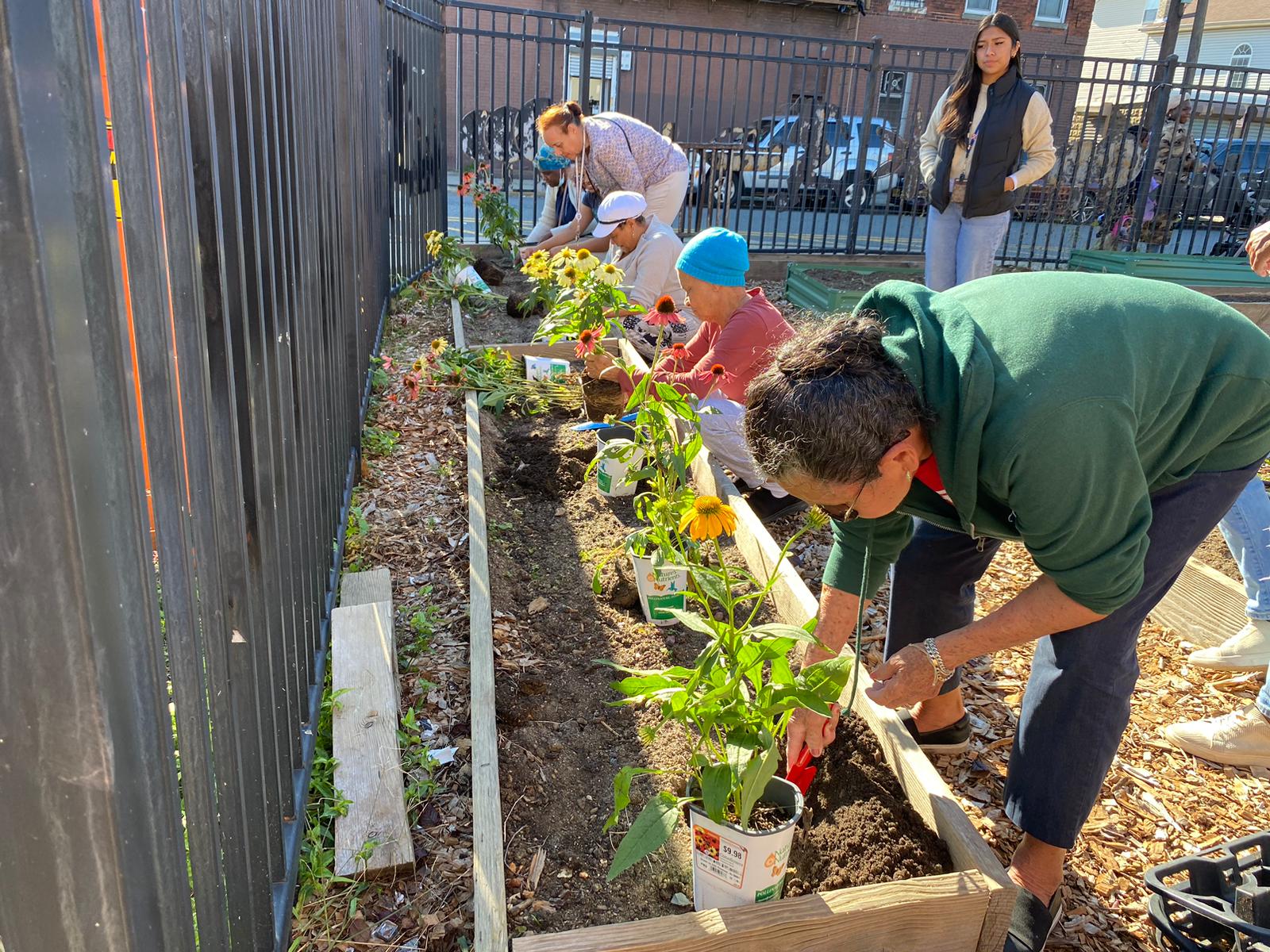
Students from Escola Amadeu Correia School at the Portuguese Instructive Social Club (PISC) in Elizabeth participated in a planting event of lettuce and tomatoes. Garden Education has now been incorporated into their curriculum in order to understand the importance of agriculture. The PISC garden grows a variety of vegetables, many of Portuguese origin to teach the younger generation about their culture.
HACE (Housing Authority of the City of Elizabeth)- Elizabeth
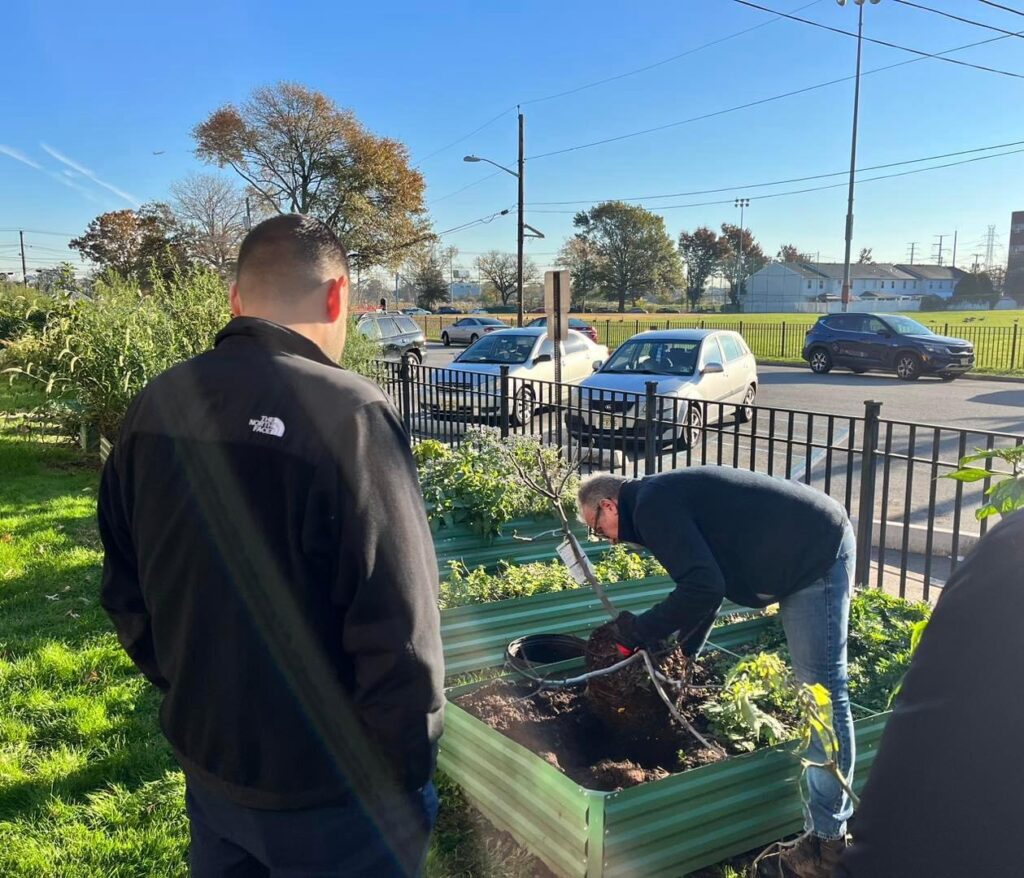
Chairman Granados joined leaders of the Housing Authority of the City of Elizabeth for the plantation of a fig tree.
Did you know that figs provide a lot of minerals necessary for us? These include potassium, calcium, magnesium, iron and copper. Figs are also a good source of antioxidant vitamins A and K.
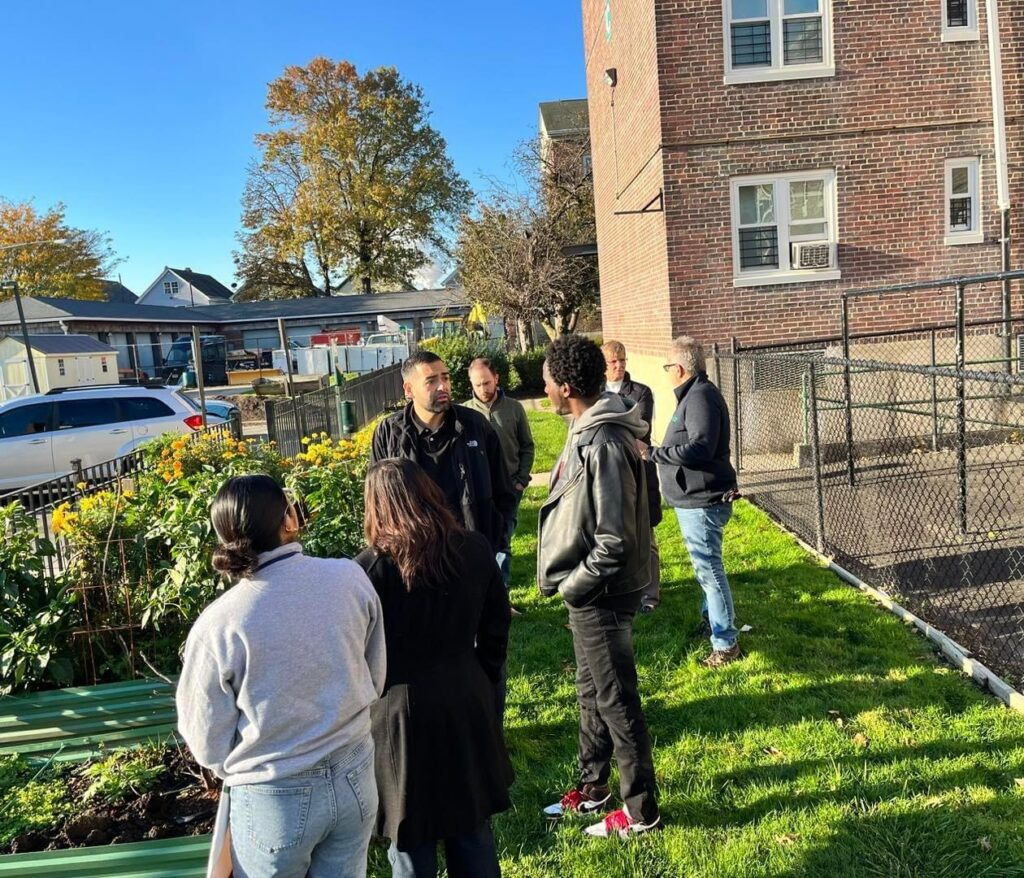
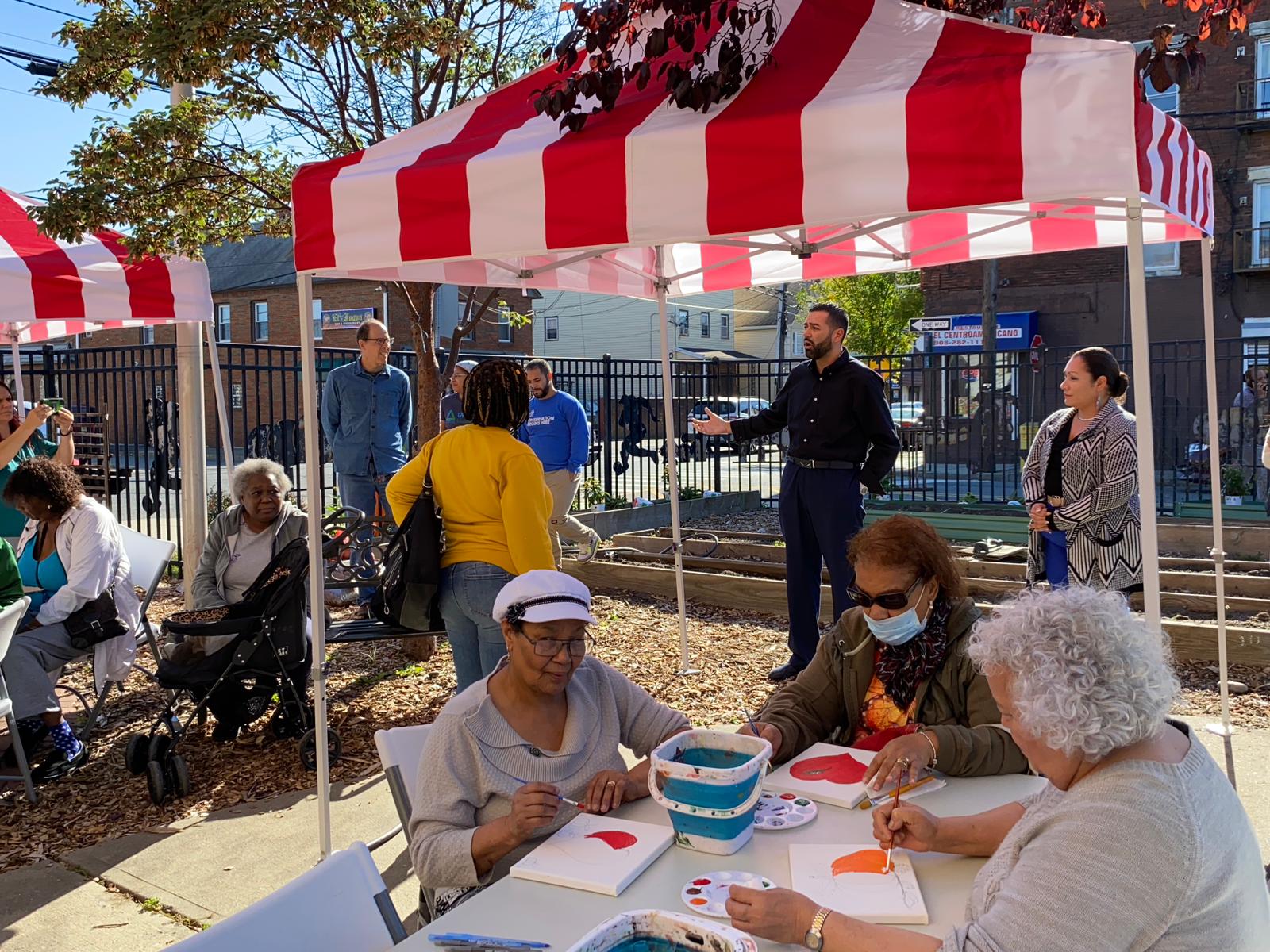
Chairman Granados, Commissioner Leon and Commissioner Palmieri-Mouded joined members of Peterstown Community center for a tour of their garden!
One of their biggest produce this year were tomatoes! Contrary to popular belief, tomato is actually a fruit, not a vegetable. In addition, while tomatoes are low in calories, they are rich in vitamin A and C.
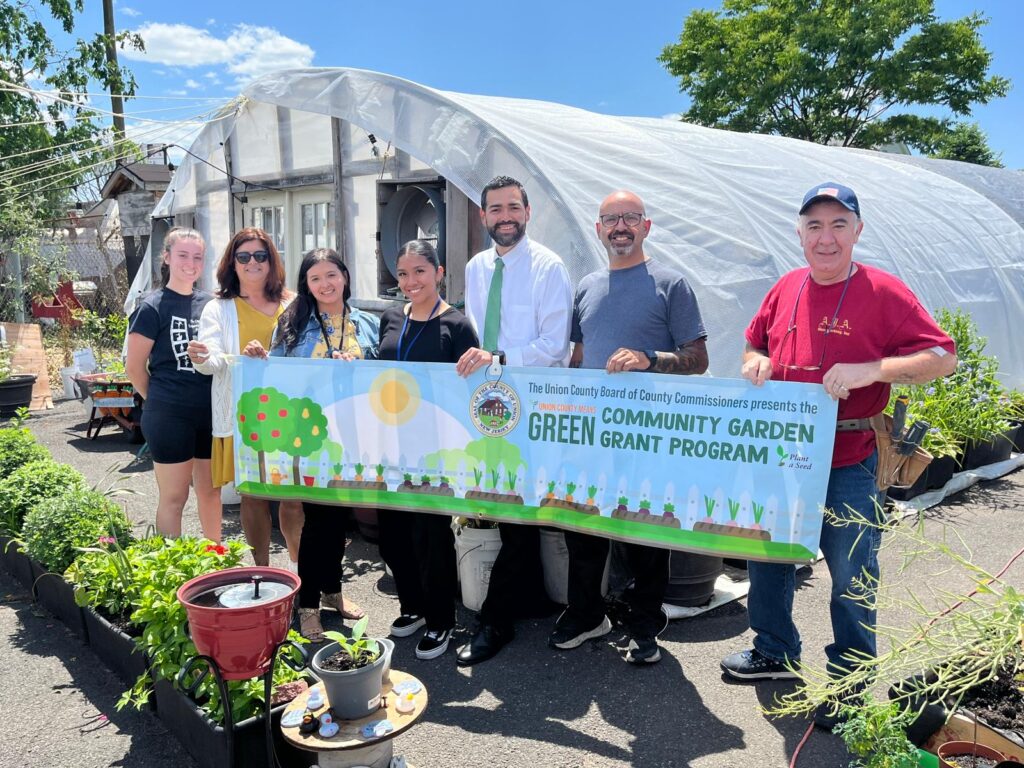
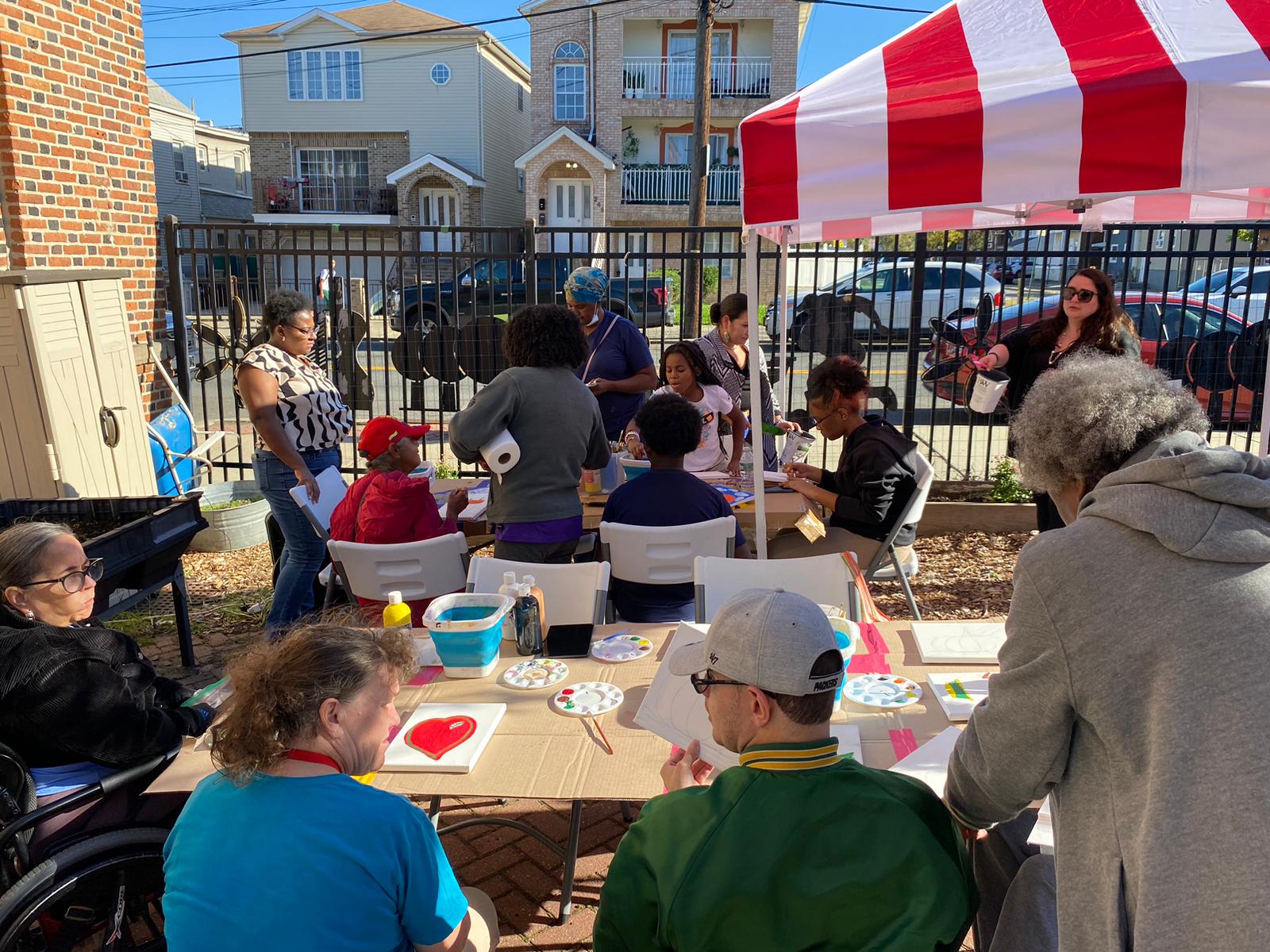
Union County Commissioner Chairman Sergio Granados attended the garden tour at Prevention Links / Elizabethport Community Center in Elizabeth.
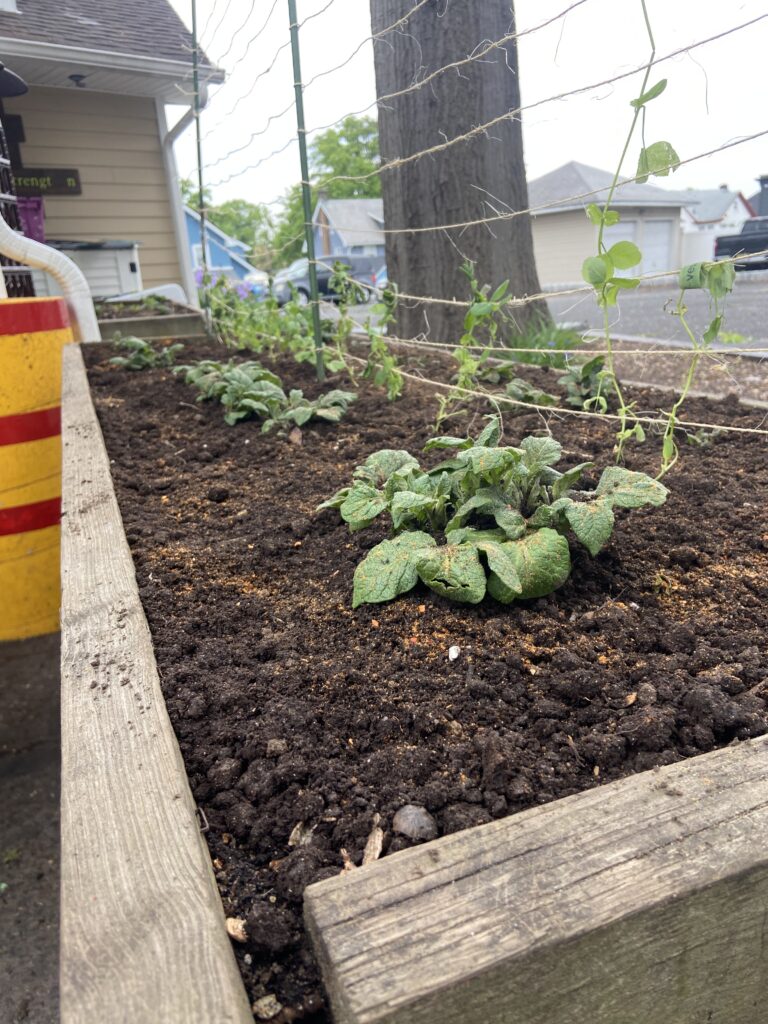
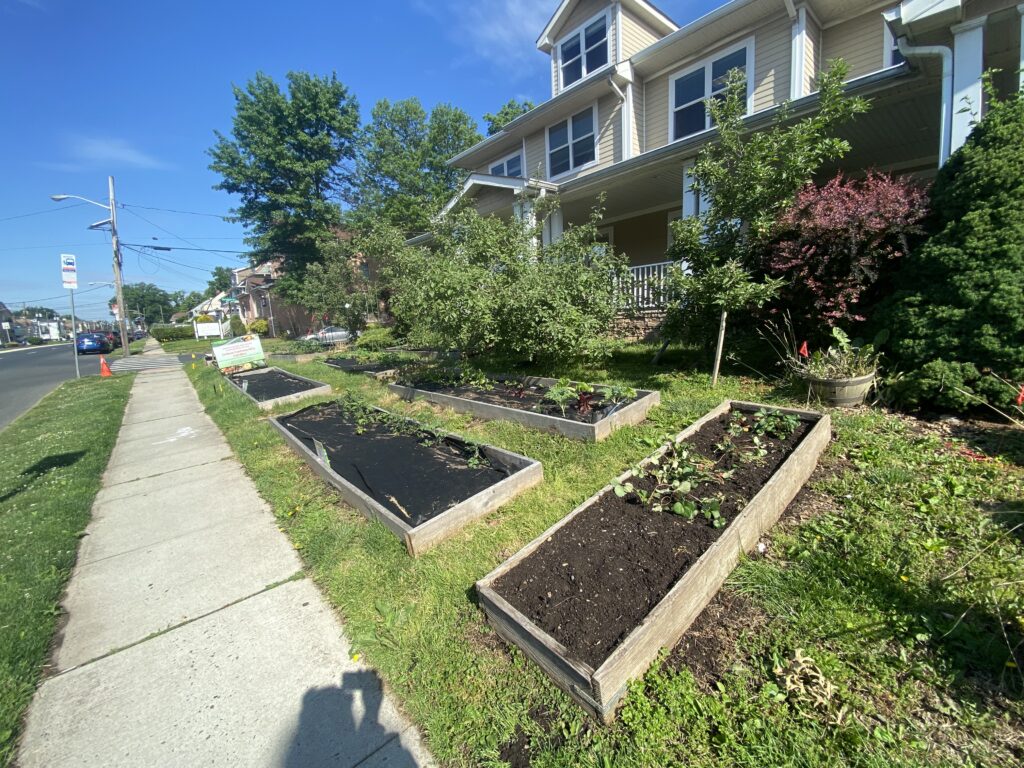
This garden is used to teach the effective methods of planting a garden at home and was a Garden Enhancement Grant recipient for our 2023 Union County Means Green Community Garden Grant Program.